



What Exactly Is the Gut Microbiome?
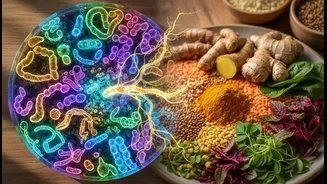
Before we connect the dots to our food, let's quickly understand what the microbiome is. Imagine a bustling metropolis inside your digestive system, populated by trillions of microorganisms, including bacteria, fungi, and viruses. This community is your gut
microbiome. For years, bacteria had a bad reputation, but we now know that a vast majority of these microbes are essential for our health. They help digest food, produce crucial vitamins, regulate our immune system, and even influence our mood. A healthy gut is marked by a high diversity of these beneficial microbes. When the balance is disturbed—a state called dysbiosis—it can contribute to a range of issues, from digestive troubles to chronic diseases.
The Indian Diet: Gut-Friendly by Design
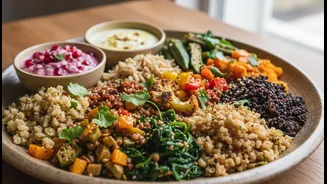
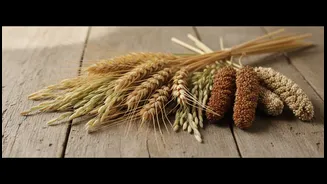
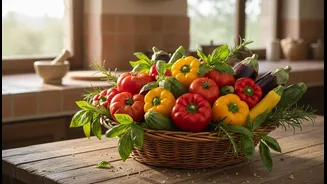
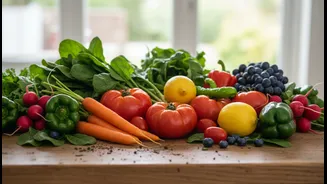
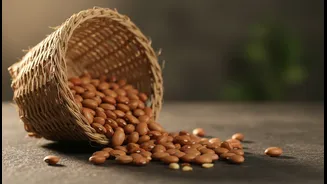
Interestingly, the principles of a traditional Indian diet seem almost tailor-made to support a thriving microbiome. Rich in fiber from lentils, beans, whole grains, and vegetables, our ancestral meals provide the perfect fuel for beneficial gut bacteria. Spices like turmeric, cumin, ginger, and asafoetida (hing), used generously in Indian cooking, do more than just add flavour. Many possess anti-inflammatory and antimicrobial properties that help maintain a healthy gut environment. The traditional Indian thali, with its small portions of diverse items, is a masterclass in microbial nourishment. It delivers a variety of fibers, proteins, and phytochemicals in one meal, ensuring that different groups of gut microbes are all well-fed.
Rediscovering Fermented Superfoods
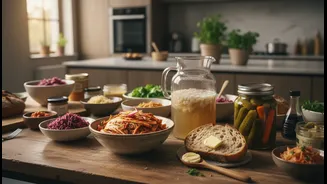
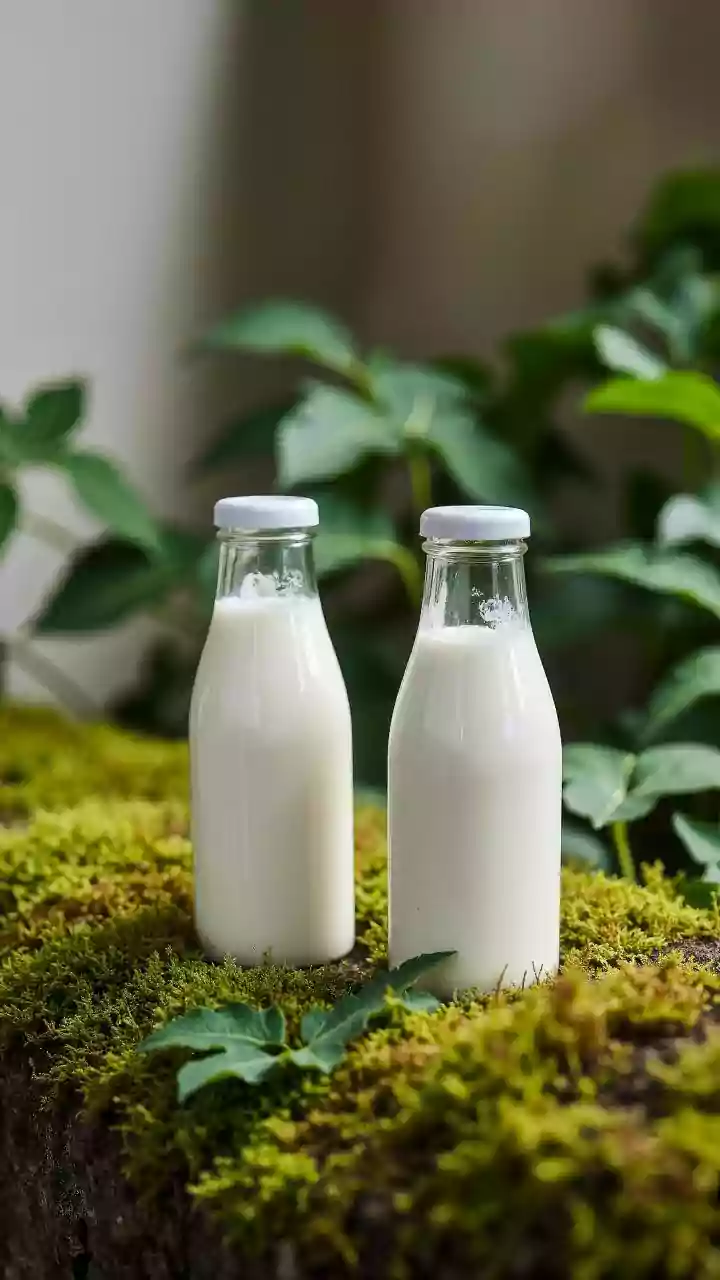
The real stars of this story are India's fermented foods. Long before probiotics became a buzzword, Indian households were mastering fermentation. While staples like Dahi (curd), Idli, and Dosa are well-known, every region has its own fermented treasures. Think of Kanji, a tangy North Indian drink made from fermented black carrots and mustard seeds, packed with antioxidants and probiotics. Or Hawaijar, a fermented soybean dish from Manipur, and the fermented bamboo shoots of the Northeast, both of which support gut bacteria and enhance immunity. In the south, the humble Pazhamkanji (fermented rice gruel) is another powerhouse. These foods introduce live, beneficial bacteria directly into the gut, enhancing digestion and nutrient absorption.
From Traditional Kitchens to Modern Tables
The scientific validation of these age-old practices is sparking a culinary renaissance. What was once dismissed as old-fashioned is now being celebrated for its functional benefits. Chefs are reintroducing traditional fermented ingredients into modern menus, and nutritionists are increasingly advising clients to look towards their own culinary heritage for gut health. The conversation is shifting from a reliance on expensive, store-bought probiotics to embracing the affordable, natural options available in our own kitchens. Homemade curd, for instance, contains a wealth of live cultures that are often destroyed in commercially processed yogurts. This renewed interest is a powerful reminder that our traditional food systems contained a deep, intuitive wisdom about the connection between diet and health.