
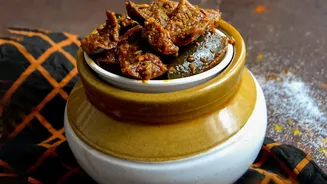

The Unspoken Language of Achar
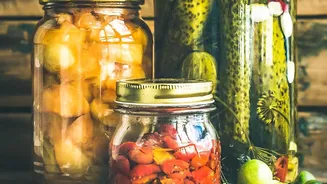
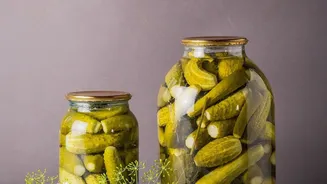
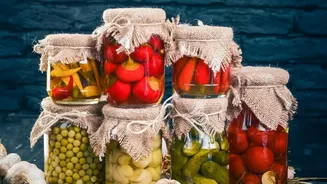
Long before refrigeration, pickling was a practical necessity across India to preserve seasonal fruits and vegetables. This ancient technique of using salt, spices, and oil evolved into a culinary art form. Today, a jar of pickle is a vessel of memories
and a symbol of cultural identity. The recipes are often family heirlooms, passed down through generations, not in written cookbooks but through observation in the kitchen. The act of making pickles, especially during the summer, is a cherished communal ritual in many households, strengthening family bonds as different generations come together to chop, spice, and bottle the harvest. Offering a guest your family’s homemade pickle is a profound gesture of hospitality, a literal taste of home.
A Map of Flavours in a Jar
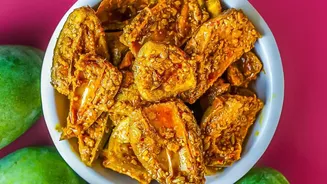
India's immense diversity is perfectly mirrored in its pickles, with each region offering a unique profile based on local climate, crops, and culture. In the South, pickles are often oil-forward and fiery. The iconic Avakaya from Andhra Pradesh is a powerhouse of raw mango, powdered mustard seed, and red chilli, all steeped in sesame oil. Its preparation is an annual family event, and the quality of a household's Avakaya is a point of immense pride. In the West, Gujarat offers a balance of sweet and sour, like the Gorkeri, made with grated mango and jaggery, or the Methia Keri, which gets its distinct flavour from fenugreek seeds (methi). Up North, mustard oil is the preferred base for robust pickles made from mango, lemon, and mixed vegetables. Meanwhile, in the Northeast, pickles feature unique ingredients like fermented bamboo shoots and the famously potent Bhut Jolokia (ghost pepper), creating smoky, aromatic condiments that connect tribes to their forests.
The Matriarch’s Legacy
Traditionally, the knowledge of pickle-making has been the domain of grandmothers and mothers. They are the guardians of these secret recipes, understanding by instinct the precise balance of spices, the right amount of salt, and how long to leave the jars maturing in the sun. Learning to make the family pickle was a rite of passage, an education that started with simple tasks like washing mangoes or grinding spices on stone slabs before graduating to the full responsibility. Every stir of the ladle carries ancestral stories and a deep-rooted connection to the past. This passing down of knowledge ensures that a family's unique culinary signature is not lost, but instead continues to be savoured by the next generation at the dinner table.
Preservation in the Modern Age
In today's fast-paced world, the tradition faces new challenges. With nuclear families, smaller kitchens, and the convenience of commercially available options, the elaborate, time-consuming process of homemade pickle-making is becoming less common. Many younger people have never experienced the ritual of preparing pickles from scratch. Yet, the tradition is far from disappearing. It is adapting. A growing number of small, women-led businesses and online brands have emerged, dedicated to preserving and sharing authentic, traditional recipes with a wider audience. These enterprises often celebrate the regional specificity and handcrafted nature of their products, bringing heritage flavours to modern consumers who crave a connection to their roots. In this way, even when purchased from a store, the pickle remains a link to a shared culinary history.