




The Enduring Charm of Parsi Clubs
Parsi clubs and gymkhanas, particularly in cities like Mumbai, are institutions steeped in history. Founded in the late 19th century, often by prominent community members like the Tatas and Jeejeebhoys, these establishments were created to offer 'healthy
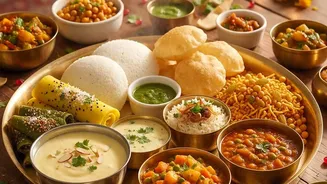
outdoor recreation' and a social hub for the Parsi community. While initially focused on sports like cricket, they quickly evolved into cherished centres for social and family life. The dining hall is often the heart of the club, a place where generations have gathered to share meals and conversation, and where culinary legacies are passed down. The food served is a point of immense pride, representing an authentic taste of home that is increasingly hard to find in the commercial restaurant world.
A Culinary Crossroads
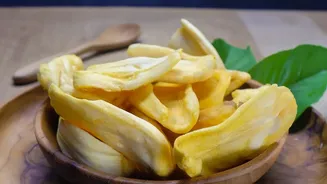
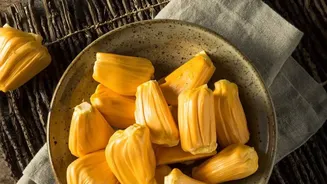
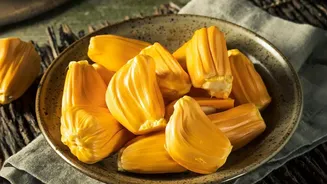
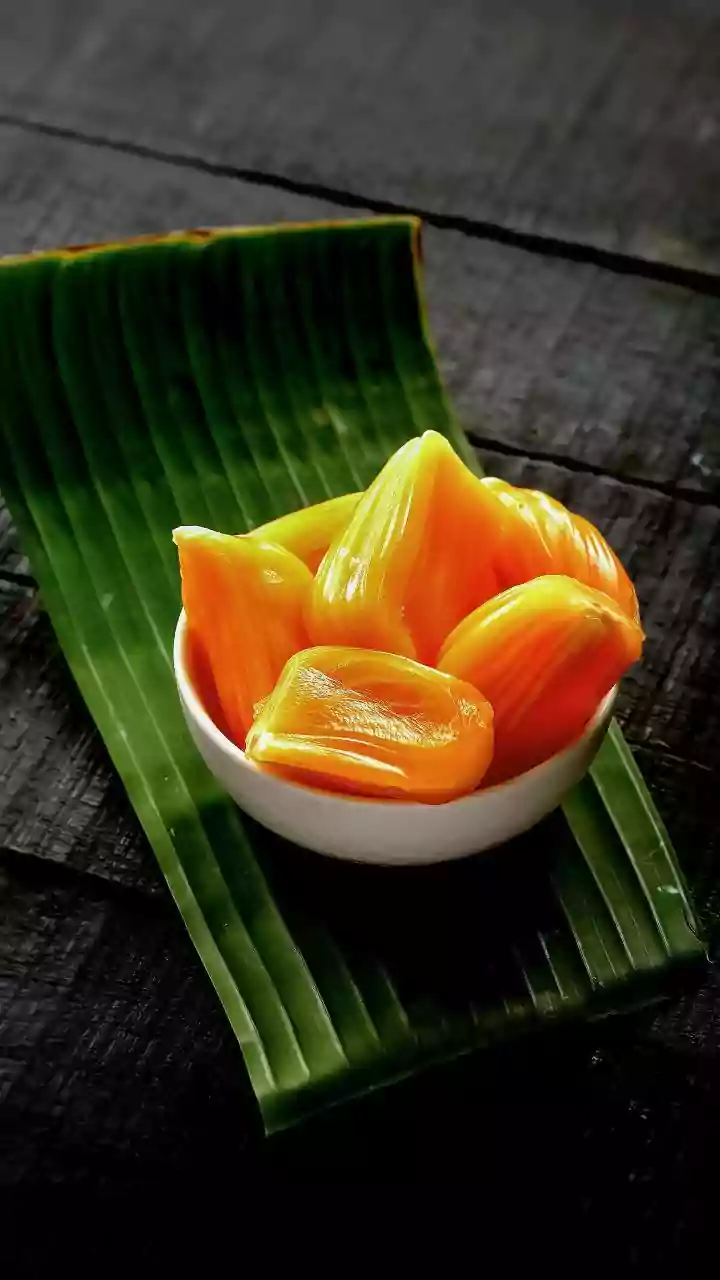
Parsi cuisine is a delicious amalgamation of its Persian roots and the local flavours of the Indian subcontinent, particularly from Gujarat and Maharashtra. It is famous for its unique sweet, sour, and spicy flavour profile, often referred to as 'khattu mithu'. While famously meat and egg-loving, with iconic dishes like Dhansak and Patra ni Machhi, Parsi cooking also has a fascinating repertoire of vegetarian dishes. These are not mere afterthoughts but thoughtfully crafted preparations. Raw jackfruit, or 'kathal', holds a special place in this context. Its fibrous, meaty texture makes it an excellent substitute in dishes that would traditionally feature mutton or chicken, allowing vegetarians to enjoy the same rich, complex gravies.
The Star Ingredient: Kathal Korma
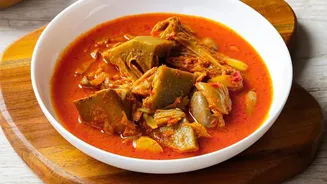
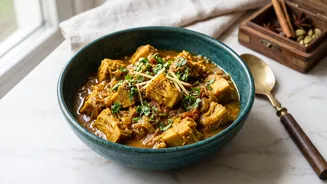
This recipe for Kathal Korma is inspired by the kind of vegetarian delight one might find on the menu of a Parsi club. It transforms the humble jackfruit into a rich, velvety curry that can rival any of its non-vegetarian counterparts. The key lies in a creamy, nutty paste and the gentle simmering of the jackfruit until it is perfectly tender, absorbing all the aromatic spices. The use of ghee, whole spices, and a curd-based gravy creates a dish that is both comforting and celebratory. This recipe, adapted from historical Parsi cookbooks, showcases how the community has ingeniously incorporated local ingredients into its distinct culinary framework.
Ingredients for Parsi Kathal Korma
Raw Jackfruit (Kathal): 600g, cleaned and cut into bite-sized pieces\n Ghee: As needed for frying\n Onions: 2 medium, finely chopped, plus 1/2 large onion, thinly sliced for frying\n Ginger-Garlic Paste: 1.25 tsp\n Curd (Yogurt): 1.75 cups, well beaten\n Cashew Nuts (or Chironji): 60g\n Poppy Seeds (Khus Khus): 1.25 tbsp\n Whole Spices: 2 cinnamon sticks, 5 green cardamoms, 5 cloves\n Powdered Spices: 1/2 tsp red chilli powder, 1/4 tsp turmeric powder\n Green Chillies: 2-3, slit lengthwise\n Fresh Coriander: 1.75 tbsp, chopped\n Water: 1.25 cups\n* Salt: To taste
The Method: Step by Step
1. First, create the base paste. Grind the cashew nuts (or chironji) and poppy seeds into a fine powder, then blend this with the beaten curd and set it aside.\n2. Heat a generous amount of ghee in a heavy-bottomed pan. Fry the jackfruit pieces in batches until they develop a light golden-brown colour. This step is crucial for texture. Remove the fried pieces and set them aside.\n3. In the same ghee, add the whole spices: cinnamon, cardamom, and cloves. Let them sizzle for a few seconds until fragrant.\n4. Add the chopped onions and sauté until they turn a deep golden brown. Add the ginger-garlic paste and cook for another minute until the raw smell disappears.\n5. Stir in the powdered spices—turmeric and red chilli powder—and cook for 30 seconds. Return the fried jackfruit pieces to the pan. Add 1.25 cups of water and salt to taste. Bring to a boil, then cover the pan, reduce the heat, and simmer until the jackfruit is completely tender.\n6. Once the jackfruit is cooked, gently stir in the curd and nut paste. Add the slit green chillies and fresh coriander. Mix everything well, allowing the creamy gravy to coat the jackfruit. Simmer for a final 2-3 minutes, but do not boil, to prevent the curd from splitting.\n7. For a final touch, you can fry the thinly sliced onions until crisp and use them as a garnish before serving.