





The Science of Staying Dry
At its core, a dry bag is simple but brilliant technology designed for one purpose: to be completely waterproof. Unlike a regular backpack that might have a rain cover, a dry bag is constructed to be an impenetrable barrier against water. The magic lies
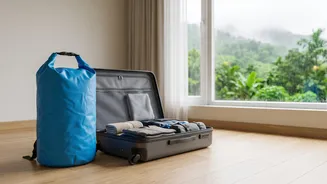
in two key elements: the material and the closure system. The body of the bag is made from a fabric that is inherently waterproof, not just water-resistant. Crucially, the seams are not stitched, which would create tiny holes for water to seep through, but are welded using heat or radio frequency, bonding the pieces of fabric into a single, seamless unit. The most common closure is the roll-top design. By rolling the top edge down at least three times and securing it with a buckle, you create a tight, reliable seal that water cannot breach. This system also traps air, which means if your bag goes overboard into a river or lake, it will float, making it easy to retrieve.
Materials Matter: PVC vs. TPU
Not all dry bags are created equal, and the material used is a major differentiator in quality, durability, and price. The two most common materials you will encounter are PVC (Polyvinyl Chloride) and TPU (Thermoplastic Polyurethane). PVC has been the industry standard for years; it is thick, highly durable, resistant to abrasion, and relatively inexpensive, making it a popular choice for heavy-duty bags. However, it can be stiff, heavier, and may become brittle in the cold or crack over time with UV exposure. TPU is a more modern, premium alternative. It is lighter, more flexible (especially in low temperatures), and more environmentally friendly in its production and disposal. While TPU bags often come with a higher price tag, they tend to last longer without cracking or yellowing, making them a better long-term investment for frequent travellers. Both materials are typically laminated onto a base fabric like nylon to provide tear resistance.
Decoding Waterproof Ratings
When shopping, you might come across an 'IP' rating, which stands for Ingress Protection. This code tells you how well a device is protected against solids and liquids. For waterproof bags, you'll often see a rating like IP67. The '6' means it is completely dust-tight, while the '7' signifies that it can be submerged in up to one meter of water for 30 minutes without leaking. An IPX rating, like IPX7, means it has only been tested for water, not dust. While many roll-top dry bags don't go through official IP certification, the rating provides a useful benchmark. A bag rated IPX4 might withstand splashes, but for the confidence needed in a monsoon, a bag built to IPX7 standards is what you should aim for. This ensures that even if it's dropped in a puddle or takes a direct hit from a wave, your contents will remain perfectly dry.
Choosing Your Ideal Monsoon Companion
Dry bags come in various sizes, measured in litres. A small 5-10 litre bag is perfect for essentials like your phone, wallet, camera, and documents, acting as a 'dry sack' inside your main backpack. A medium 15-20 litre bag can hold a change of clothes, a towel, and your electronics, making it ideal for a day trip. Larger bags of 30 litres or more are suitable for multi-day treks or for those who need to carry bulky items like sleeping bags or multiple outfits. Think about your travel style. If you are a backpacker, using several smaller, colour-coded dry bags within your main rucksack can be a great way to keep gear organised and protected. This compartmentalisation means even if your main backpack gets soaked, your critical gear stays dry.
More Than Just Monsoon Protection
While invaluable during the rains, the utility of a quality dry bag extends far beyond the monsoon season. They are perfect for beach trips, water sports like kayaking and rafting, or any activity where your belongings might get wet or dirty. After a trip to the beach, you can use it to store wet swimwear and towels, keeping the rest of your luggage dry. On a trek, it can separate muddy shoes or dirty laundry from your clean clothes. Some even use them to wash clothes on the go. The simple, robust design makes them a versatile piece of gear for any traveller who values keeping their belongings safe, organised, and, most importantly, dry.