



The Science of Fermentation
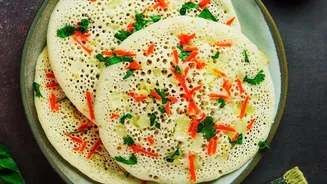
The magic of idli and dosa begins long before they hit the hot plate. It starts when a ground mixture of rice and urad dal (black lentils) is left to ferment, typically for 8-12 hours. During this time, naturally occurring beneficial bacteria and yeasts
get to work. These microorganisms, primarily Lactic Acid Bacteria (LAB) like Lactobacillus, feast on the carbohydrates in the batter. This process breaks down complex starches and proteins into simpler, more easily digestible forms. Think of it as a 'pre-digestion' phase, where the microorganisms do much of the heavy lifting before the food even enters your body, which is why these dishes are often recommended for those with sensitive digestion.
A Boost for Your Gut Microbiome
The fermentation process encourages the growth of beneficial microorganisms. While the high heat of steaming or cooking destroys most of these live bacteria, making the final idli or dosa not technically 'probiotic', the benefits don't disappear. The process leaves behind valuable compounds called postbiotics, including organic acids, which help create a healthy environment in your gut. Furthermore, the batter is rich in dietary fibre from the dal and rice, which acts as a prebiotic. This prebiotic fibre isn't digested by you but serves as food for the good bacteria already living in your gut, helping them thrive. A balanced gut microbiome is linked to improved immunity, better mood, and reduced inflammation.
Unlocking Nutrients for More Energy
One of the most significant benefits of fermentation is its ability to increase the bioavailability of nutrients. Raw grains and lentils contain compounds known as 'anti-nutrients', such as phytic acid, which can block the absorption of essential minerals like iron, zinc, and calcium. The fermentation process breaks down these anti-nutrients. This means your body can absorb more of the vital minerals from your meal, which is particularly beneficial for preventing iron deficiency. Fermentation also synthesizes and increases the levels of B vitamins, including B12, niacin, and folic acid. These vitamins are crucial for metabolism and converting the food you eat into usable energy, leading to sustained energy levels rather than the quick spike and crash associated with sugary breakfasts.
The Complete, Energizing Meal
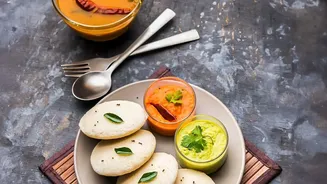
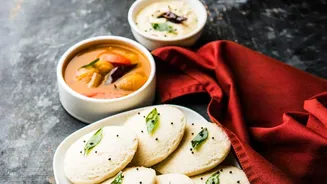
The combination of rice and lentils in idli and dosa creates a complete protein source, providing all the essential amino acids your body needs for muscle repair and maintenance. As complex carbohydrates, they provide a slow and steady release of energy, keeping you full and focused throughout the morning. Because the starches are pre digested during fermentation, the food has a gentler impact on blood sugar levels compared to unfermented rice products, making it a smarter choice for sustained energy. Paired with sambar, which is rich in vegetables and dal, and coconut chutney with its healthy fats, the meal becomes even more balanced and nutritionally robust.