
The End of Predictable Seasons
For generations, dressing in India followed a reliable rhythm: cottons for the long, hot summer, fresh fabrics for the monsoon, and a distinct set of woollens for winter. But that calendar is becoming obsolete. Climate change has led to increasingly severe
heatwaves and erratic weather patterns across the country. Winters might arrive late and leave early, or a 'third summer' might appear post-monsoon. This blurring of seasons makes the traditional 'summer' and 'winter' wardrobe system impractical. One day might demand a light layer, while the next is oppressively humid, making it difficult to plan outfits. Many are finding that the clothes they own no longer align with the weather outside their window.
What Is Wardrobe Rotation?
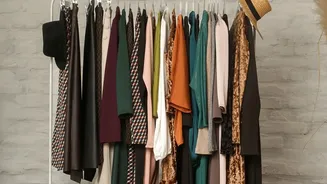
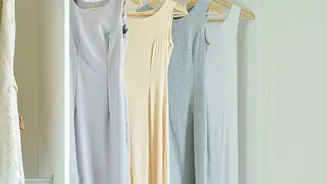
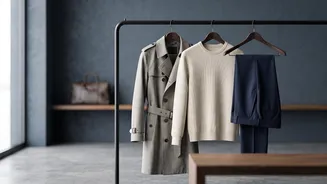
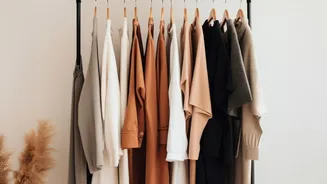
Wardrobe rotation is a systematic approach to managing your clothes. Instead of having your entire collection accessible at all times, you consciously edit and store items based on the immediate weather, not just the time of year. Think of it as a curated, 'active' closet containing only what's currently wearable, with the rest packed away. For example, heavy woollens and thick jackets are stored during the humid monsoon, while lightweight, quick-drying fabrics are brought to the forefront. Then, as a drier coolness sets in, the wardrobe is 'rotated' again. This is different from a one-off spring cleaning; it's a dynamic system that adapts to reality, creating a more functional and less overwhelming closet.
Beyond Weather: The Sustainable Edge
The move towards wardrobe rotation is about more than just practicality; it taps into a growing desire for a more conscious lifestyle. With the fashion industry being a significant global polutter, many Indian consumers are looking for ways to reduce their impact. Surveys show a high percentage of Indians prefer sustainable and eco-friendly fashion. A rotational system encourages this by promoting a 'buy less, buy better' philosophy. When you regularly assess your clothes, you become more aware of what you truly wear. This mindfulness helps curb impulse buys and participation in the fast-fashion cycle, which encourages disposable trends. Adopting practices like the '30-wears rule'—only buying an item if you can see yourself wearing it at least 30 times—fits perfectly with this intentional approach to clothing.
How to Start Your Own Rotation
Creating a rotational wardrobe system is straightforward. First, perform a thorough sort of all your clothes. Group them into three piles: 'Keep' for current rotation, 'Store' for off-season items, and 'Donate/Recycle' for anything you no longer need. Next, invest in good storage solutions like vacuum-sealed bags or under-bed boxes to keep the 'Store' pile protected from dust and moisture. The key is to build a core collection of 'all-season' heroes. These are versatile pieces like breathable cotton shirts, lightweight trousers, and adaptable layers that work in multiple conditions. A well-cut khadi kurta, for instance, is as comfortable in dry heat as it is under a light jacket on a cool evening. Perform a major swap twice a year, but be prepared to make smaller adjustments as surprise weather hits.
Building a Trans-Seasonal Indian Wardrobe
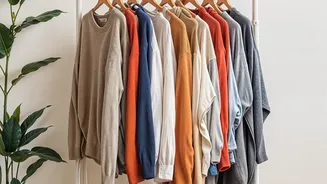
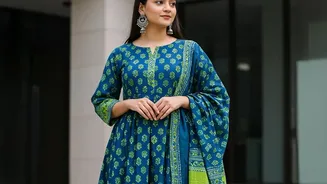
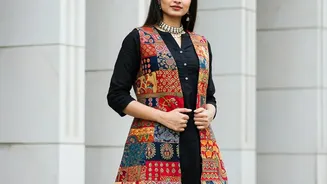
A wardrobe built for India's new climate reality prioritises fabric and versatility over strict seasonal categories. Natural, breathable textiles are the foundation. Cotton remains the undisputed champion for its ability to absorb sweat and allow airflow. Linen is another excellent choice, especially for high-humidity areas, as its structure holds the fabric away from the skin. For the brief, mild winters experienced in much of the country, layering is key. A collection of light merino wool blends, cotton-poly blends, and versatile jackets provides warmth without the bulk of traditional winter wear. Ultimately, the goal is to own pieces that can be styled in multiple ways and feel comfortable across a range of temperatures, reducing the need for completely separate seasonal wardrobes.