


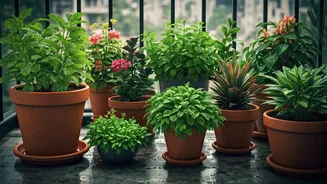


The Kitchen Secret for Lush Blooms
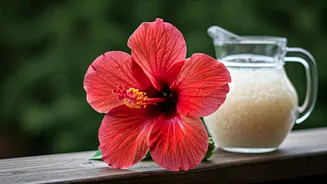
The hack that has green-thumbed city dwellers talking is astonishingly simple: using the water left over from washing rice to nourish their hibiscus plants. In a country where rice is a daily staple, this turns a common kitchen byproduct into a potent,
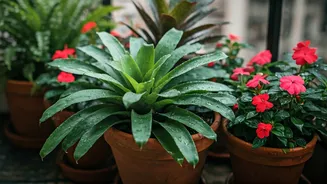
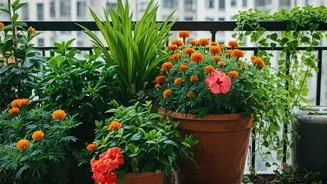
cost-free plant tonic. For centuries, this practice has been a quiet tradition in many agricultural communities, and now, balcony gardeners are rediscovering its benefits. The idea is to capture the cloudy, nutrient-rich water that would otherwise go down the drain and repurpose it as a gentle fertilizer. This sustainable approach not only reduces waste but also provides your beloved 'Gudhal' with a natural boost, encouraging the growth of those large, showy flowers that make any balcony or patio corner feel like a tropical paradise.
Unpacking the Science Behind the Hack
While it may sound like folklore, there's a simple scientific reason why rice water works. The milky water is rich in starch, which acts as a food source for beneficial microbes in the soil. These microorganisms, including lactobacilli and mycorrhizal fungi, help improve soil structure and make nutrients more readily available to the plant's roots. Furthermore, rice water contains trace amounts of essential macro-nutrients that plants crave: nitrogen (N), phosphorus (P), and potassium (K). While not as concentrated as commercial fertilizers, these elements are vital for plant health. Nitrogen supports leafy growth, phosphorus is crucial for root development and flowering, and potassium helps with overall plant vigour and disease resistance. Essentially, you’re giving your hibiscus a mild, vitamin-infused drink that supports the entire ecosystem within its pot, leading to healthier plants capable of producing more flowers.
How to Prepare Your Rice Water Tonic
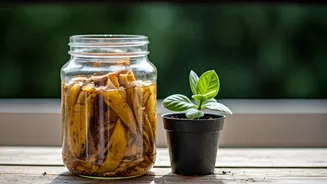
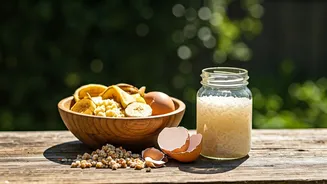
Making this 'magic potion' is incredibly easy. You have two main options: 1. **Plain Rice Water:** This is the quickest method. When you rinse your rice before cooking, simply collect the water from the first or second rinse in a clean container. This cloudy liquid can be used immediately on your plants after being diluted with an equal part of plain water. It’s a mild feed that’s great for regular use. 2. **Fermented Rice Water (FRW):** This version is more potent. To make it, collect your rice water and leave it in a loosely covered jar at room temperature for 2-5 days. The fermentation process breaks down the starches and proteins, releasing more nutrients and creating beneficial enzymes. It will develop a slightly sour smell, which is normal. Once fermented, it's crucial to dilute it significantly—use one part FRW to 15-20 parts water—before applying it to your plants. This powerful version should be used more sparingly.
Best Practices for Application
How you apply the rice water is just as important as how you make it. The golden rule is to always use it to water the soil directly, not as a foliar spray. Spraying the starchy liquid on leaves can create a film that blocks sunlight, attracts pests, or encourages fungal growth like sooty mold, especially in humid conditions. When you water, pour the diluted rice water around the base of the hibiscus plant, allowing it to soak into the root zone where it’s needed most. As for frequency, moderation is key. Think of it as a supplement, not a replacement for regular watering. Using plain, diluted rice water once a week is generally safe. For the more potent fermented version, limit its use to once every two to three weeks to avoid overwhelming your plant or making the soil too acidic.
Crucial Do's and Don'ts for Success
To get the best results and avoid common pitfalls, keep these simple guidelines in mind: **DO:** Always dilute the rice water, especially the fermented kind. Concentrated starch can clog soil pores. **DO:** Use water from rinsing uncooked rice. Water from cooked rice is too starchy and can cause issues. **DO:** Store any unused fermented rice water in the refrigerator to halt the fermentation process and reduce the odour. **DO:** Monitor your plant's response. If you see signs of pests or mould, stop using the rice water and flush the soil with plain water. **DON'T:** Use salted or seasoned rice water. Salt is toxic to most plants, including hibiscus. **DON'T:** Overdo it. Too much of a good thing can lead to smelly soil, pests like fungus gnats, and potential root rot. **DON'T:** Apply it to bone-dry soil. It's best to use it on soil that is already slightly moist to ensure even distribution to the roots.