


An Adventure in Serenity
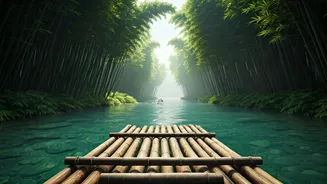
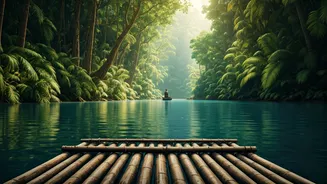
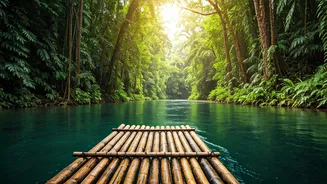
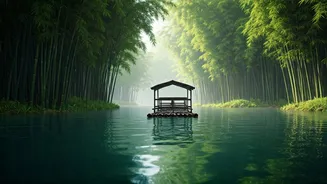
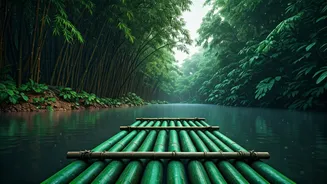
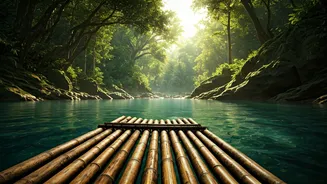
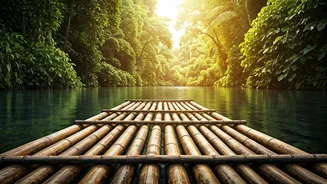
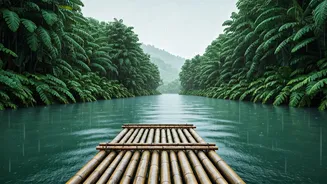
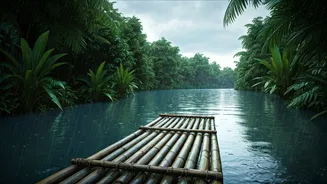
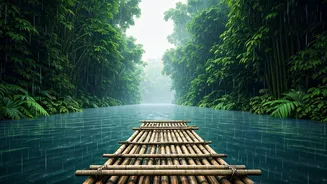
When you hear “rafting,” you might picture the turbulent, adrenaline-fuelled chaos of whitewater rapids. Bamboo rafting is its calmer, more meditative cousin. It’s not about conquering the river; it’s about becoming one with it. You sit on a simple raft made
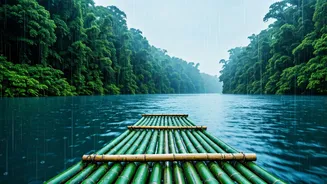
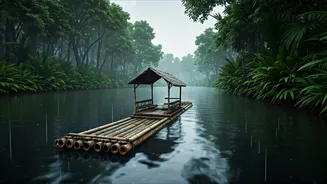
of tied bamboo stalks, propelled gently by a guide with a long pole. The pace is slow, the journey quiet. This deliberate lack of speed allows you to soak in the sights and sounds of the forest—the chatter of monkeys, the call of a distant hornbill, and the rhythmic percussion of raindrops on the canopy above. It’s an immersive experience that engages all your senses, offering a profound connection to nature that is often lost in our fast-paced lives.
Why the Monsoon is Peak Season
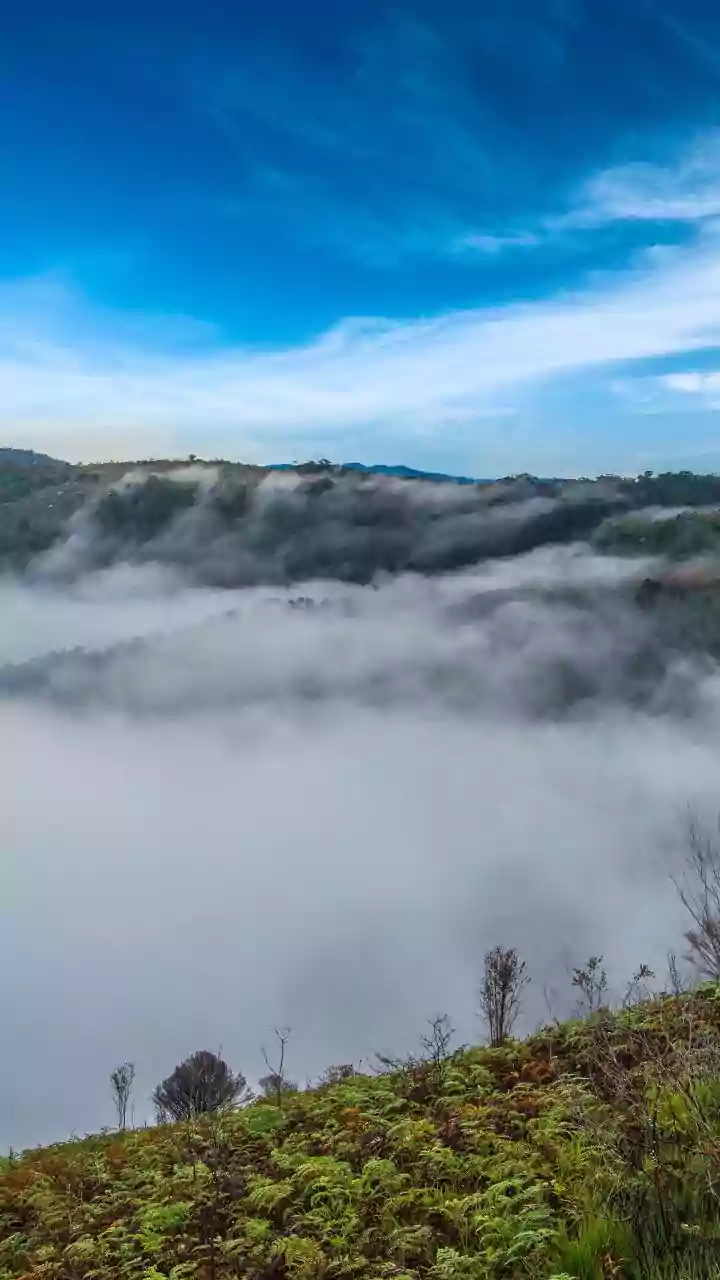
While many outdoor activities shut down during the rains, bamboo rafting comes alive. The monsoon transforms the landscape into a vibrant spectacle. The forests become a thousand shades of green, streams swell into babbling brooks, and a fresh, earthy scent fills the air. The rivers and lakes are full, making navigation smooth and the scenery breathtaking. The cloud-covered skies and gentle drizzle create a mystical, almost ethereal atmosphere that you simply cannot replicate in the dry, hot summer months. Rafting during this time feels less like a tourist activity and more like a pilgrimage into the heart of a rejuvenated world. It’s the perfect antidote to the grey, stuffy feeling of being cooped up indoors.
Kerala: The Home of Bamboo Rafting
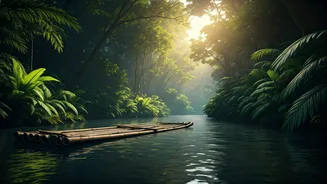
Kerala is undoubtedly the epicentre of bamboo rafting in India. The most iconic experience is in Thekkady, within the Periyar Tiger Reserve. Here, you can opt for a full-day programme that combines rafting with a trek through the dense forest. Gliding across the vast Periyar Lake, you have a high chance of spotting wildlife coming to the water’s edge for a drink—elephants, sambar deer, gaur (Indian bison), and a stunning variety of birds. Another fantastic destination is Wayanad, particularly Kuruva Island (Kuruva Dweep). This protected river delta is a cluster of islands on the Kabini River, offering a tranquil rafting experience through a maze of streams under a dense canopy of ancient trees. The water is calm, the atmosphere serene, making it ideal for families and those seeking pure relaxation.
Beyond the Backwaters
While Kerala may be the most famous, it doesn’t have a monopoly on this wonderful activity. In Karnataka, the Dubare Elephant Camp near Coorg offers bamboo rafting on the River Kaveri, often combined with opportunities to see and learn about the camp’s elephants. The gentle flow of the river here provides a peaceful escape with a backdrop of coffee plantations and deciduous forests. Further afield, parts of Northeast India, like certain river stretches in Arunachal Pradesh and Assam, also offer rustic bamboo rafting experiences, though these are often less organized and more suited for the intrepid traveller. These locations provide an off-the-beaten-path alternative, showcasing different but equally stunning regional biodiversity.
Know Before You Go
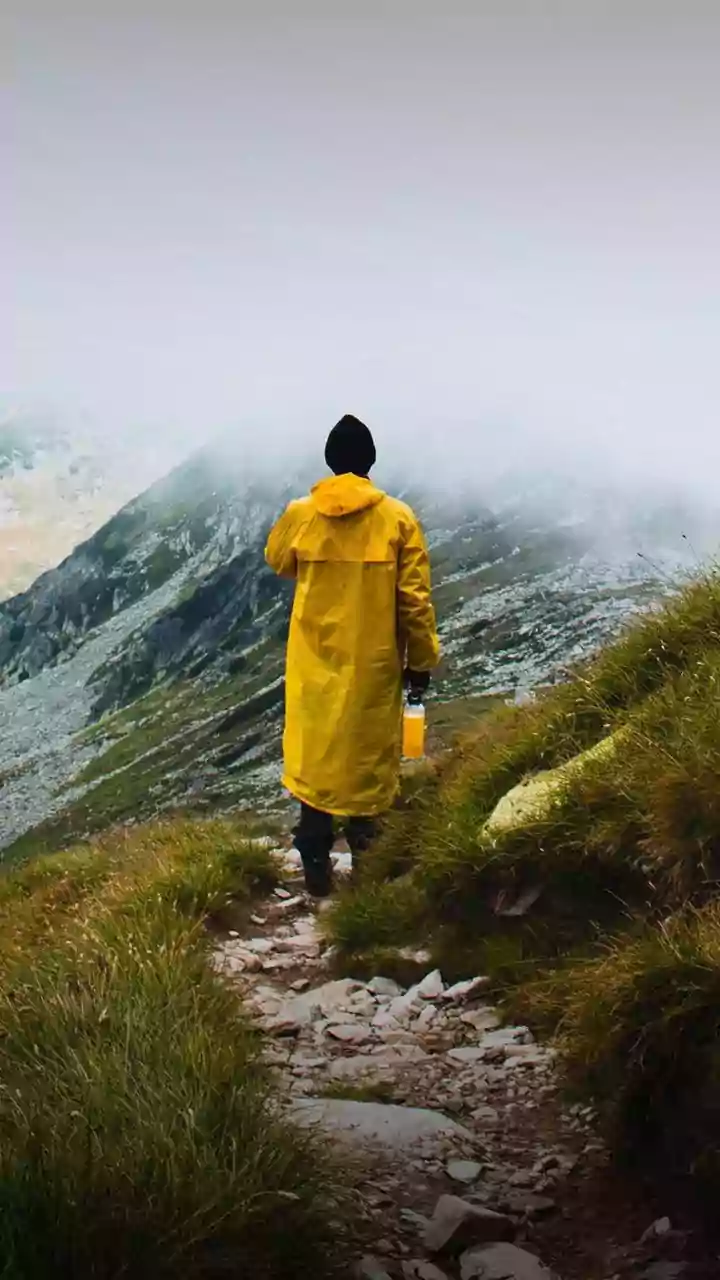
To make the most of your monsoon adventure, a little preparation goes a long way. Dress in quick-drying synthetic clothes, as you will get damp from the rain or splashes. Avoid cotton, which stays wet and cold. Sturdy, waterproof sandals with a good grip are better than shoes. Carry a waterproof dry bag for your phone, camera, and wallet. Most importantly, always book your trip through government-approved tourism bodies or reputable, licensed operators. They provide essential safety gear like life jackets and employ experienced guides who know the local weather patterns and water currents. During the monsoon, conditions can change rapidly, so their expertise is non-negotiable. Booking in advance is also wise, as popular spots can fill up quickly, even in the 'off-season'.