





The Rise of the Micro-Break
Forget the two-week annual holiday that takes months to plan. A new trend is emerging among young, urban professionals in cities like Mumbai, Bengaluru, and Delhi: the 48-hour wellness escape. These are not lazy weekends, but structured, intentional getaways
designed for maximum impact in minimum time. Faced with staggering rates of workplace stress—one 2023 survey reported that 59% of Indian respondents felt symptoms of burnout—this generation is seeking practical solutions. The traditional long vacation often feels too expensive, too difficult to schedule, and sometimes adds more stress. The 48-hour escape, in contrast, offers a manageable and repeatable way to recharge before exhaustion takes over completely.
What is a 48-Hour Wellness Escape?
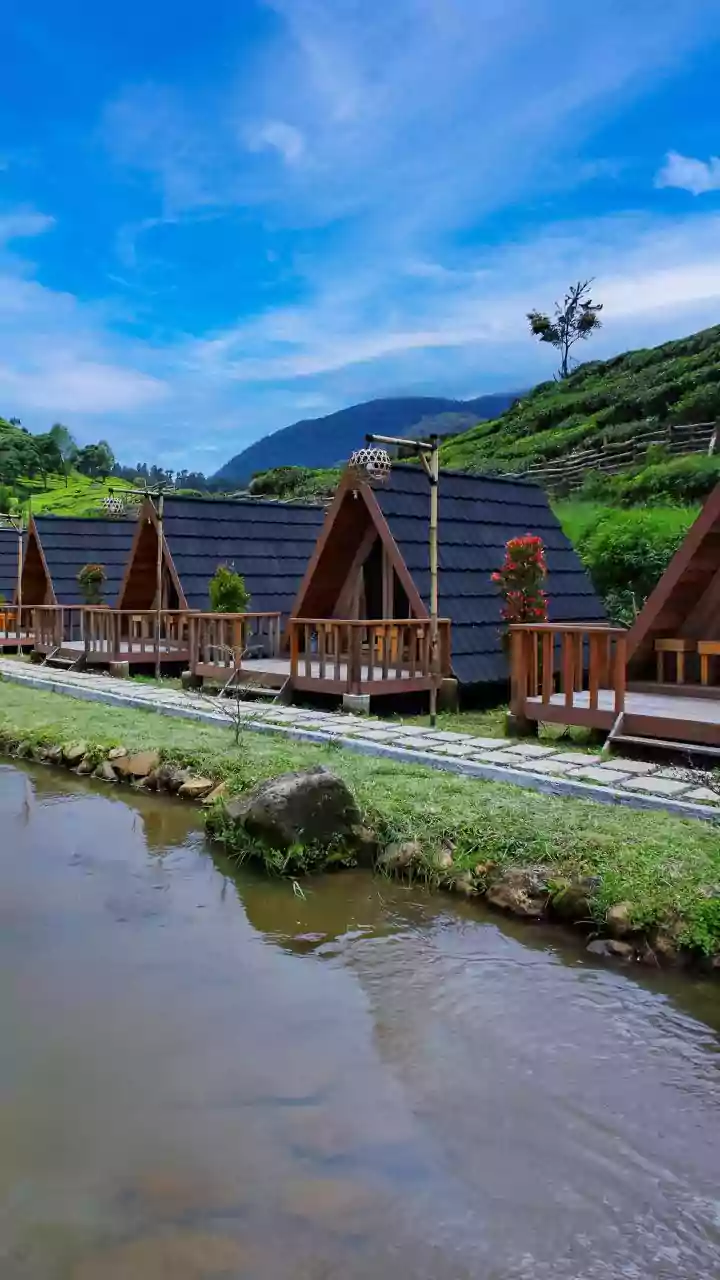
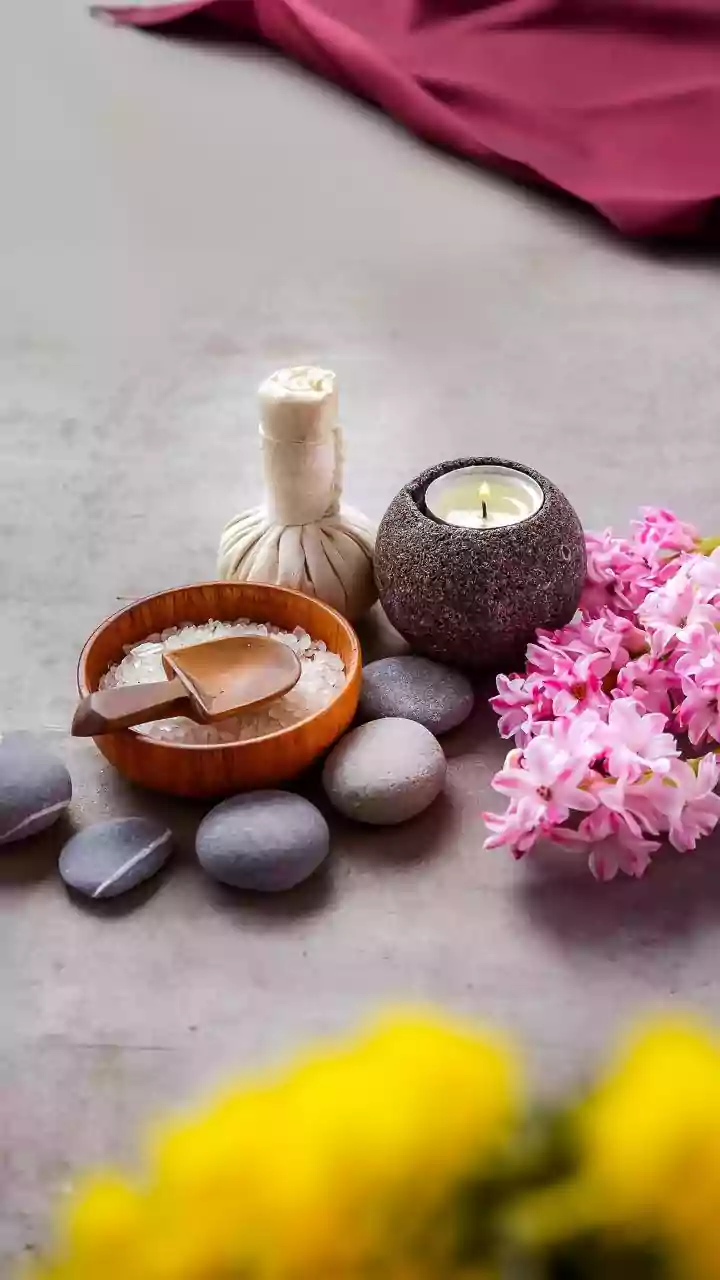
Think of it as a concentrated dose of well-being. These short retreats, often located just a few hours' drive from major cities, pack in a powerful punch of restorative activities. The focus is on holistic recovery, combining practices that calm the mind and rejuvenate the body. A typical itinerary might include guided meditation, yoga sessions, nourishing organic meals, and nature walks. Many popular retreats near Pune and Bengaluru offer packages that integrate Ayurveda, naturopathy, and digital detoxing. The goal isn't just to rest, but to actively reset the nervous system, which is often overstimulated by constant connectivity and high-pressure work environments.
The Power of the Digital Detox
A core component of many of these escapes is the digital detox. Participants are often encouraged or required to surrender their smartphones and laptops upon arrival. In a culture where work bleeds into personal time through constant pings and notifications, deliberately disconnecting is a radical act of self-care. This enforced break from screens helps lower cortisol levels, reduce anxiety, and improve sleep quality. Without the distraction of a digital feed, individuals can engage in deeper self-reflection and form more genuine connections with others, fostering a sense of community and shared experience that is often missing in hyper-individualised urban life.
More Accessible, More Sustainable
One of the biggest drivers of this trend is accessibility. A short, weekend trip requires less time off, less planning, and is often more budget-friendly than a longer holiday. This makes it a sustainable practice rather than a once-a-year luxury. Professionals can schedule these mini-breaks every few months to manage stress proactively. Research has shown that even micro-breaks of a few minutes can reduce fatigue and improve performance. A 48-hour escape takes this principle and expands it, offering a more profound recovery experience without demanding a significant disruption to work schedules. This fits perfectly into the fast-paced lives of young professionals who need to balance ambition with well-being.
An Investment in Productivity and Health
While these retreats come at a cost, many see it as a necessary investment. The Indian work culture often romanticises long hours and overwork, normalising exhaustion as a sign of dedication. However, chronic stress ultimately leads to diminished productivity, disengagement, and higher turnover. By taking short, restorative breaks, professionals are not just prioritising their health; they are ensuring they can return to work with renewed focus, creativity, and energy. These escapes offer tools and practices—like mindfulness and breathwork—that can be integrated into daily life, helping to build long-term resilience against the pressures of the modern workplace. It’s a shift from a culture of burnout to one of balanced, sustainable success.