






Satellite Technology and Downstream Applications
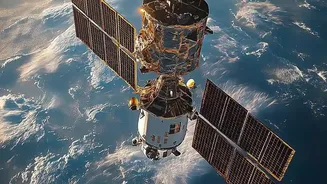
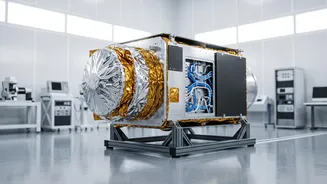
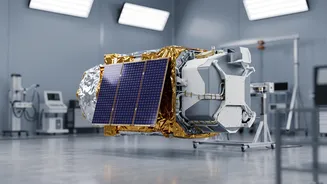
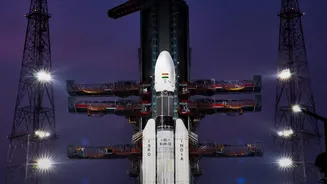
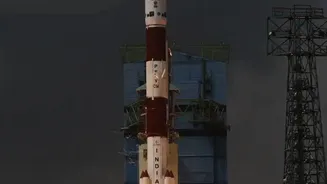
The backbone of the modern space economy is satellites. While ISRO remains a key player in building and launching satellites, private companies like Pixxel and Dhruva Space are now developing their own constellations. This creates a huge demand for satellite systems
engineers who can design, build, and test these complex machines. Equally important are the downstream applications that use satellite data. This is where data scientists and geospatial analysts come in. They turn raw satellite imagery into valuable insights for agriculture, climate monitoring, urban planning, and disaster management. Professionals skilled in remote sensing, Geographic Information Systems (GIS), and data analytics are highly sought after in this rapidly commercialising segment.
Launch Vehicle and Propulsion Engineering
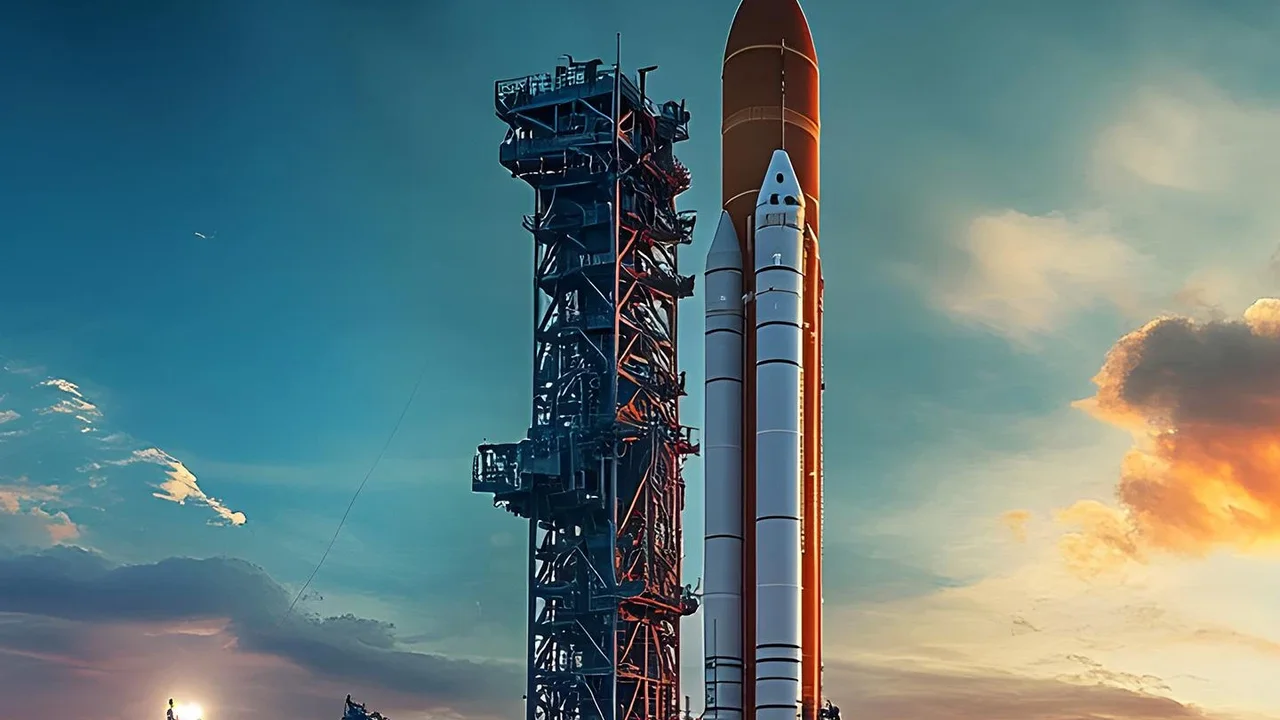
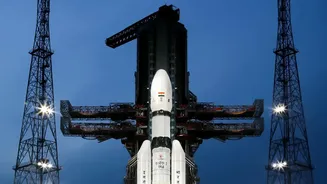
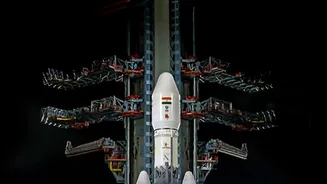
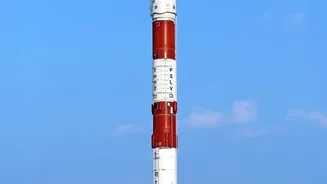
For decades, launching rockets was solely ISRO’s responsibility. Now, a new generation of startups is building India's private launch capabilities. Companies like Skyroot Aerospace and Agnikul Cosmos are developing their own rockets, creating a demand for aerospace and mechanical engineers specialising in propulsion systems. Roles in this area focus on designing and building everything from rocket engines to the entire launch vehicle structure. Expertise in cryogenic technology, turbomachinery, guidance systems, and control systems is particularly valuable. As these companies aim for cost-effective and reusable launch solutions, they are aggressively hiring talent to innovate in a domain once exclusive to government agencies.
Software, AI, and Data Science
Space missions are as much about software and data as they are about hardware. The modern space sector needs a vast number of software developers, AI/ML engineers, and data scientists. These professionals work on everything from flight software that controls spacecraft to the ground systems that manage missions and process telemetry. At private firms, AI is being used to analyse vast datasets from Earth observation satellites to provide business intelligence. At ISRO, advanced software is critical for ambitious projects like the Gaganyaan human spaceflight mission. Skills in Python, C++, MATLAB, and machine learning frameworks are essential for roles that span mission control, satellite operations, and autonomous navigation systems.
Avionics and Embedded Systems
Avionics are the electronic 'brains' of any spacecraft or launch vehicle, controlling everything from navigation and communication to flight control. This field requires electronics and communication engineers who can design and build the complex circuitry, sensors, and processors that must withstand the harsh environment of space. As rockets and satellites become more sophisticated, the demand for specialists in embedded systems, FPGA programming, and control systems is rising. Both ISRO and private hardware startups are constantly seeking engineers who can create reliable, radiation-hardened electronics for launch vehicles, satellites, and scientific payloads.
Space Law and Policy
As India's space sector opens to private players, it's not just engineers who are in demand. The industry now requires professionals who can navigate the complex web of national and international regulations. Space lawyers and policy analysts play a crucial role in managing launch contracts, satellite frequency filings, and ensuring compliance with international treaties. With over 400 space startups now registered in India, experts who understand commercial space law, technology policy, and intellectual property are essential for both the government and private companies to operate effectively in the global space economy. This emerging, non-technical field is vital for shaping the future governance of India's space ecosystem.