




The Secret Language of Flour: Protein and Gluten
The term ‘grain strength’ really comes down to one key component: protein. When wheat flour is mixed with water, two proteins called glutenin and gliadin combine to form gluten. Think of gluten as an elastic network within the dough. The more protein a flour has,
the more gluten it can form, resulting in a stronger, more elastic dough. This elasticity is fantastic for trapping gas bubbles, which is why high-protein flours are used for fluffy, chewy breads like naan or bhatura. A flour with lower protein content creates a weaker gluten network, which results in a more tender and delicate final product.
The Science of a Perfectly Soft Roti
The ideal roti is soft, foldable, and puffs up beautifully on the flame. This requires a delicate balance. You need enough gluten for the dough to be pliable and roll out without tearing, but not so much that the final roti becomes tough and chewy. This is where whole wheat flour, or atta, comes in. Atta is made by grinding the entire wheat grain—bran, germ, and endosperm. While it's high in protein, the presence of the bran and germ particles physically gets in the way of the gluten strands, effectively shortening them and preventing an overly strong, chewy network from forming. This gives atta its unique quality: a dough that's just elastic enough to be rolled thin but results in a tender, soft flatbread. Using a high-gluten refined flour like maida would result in a dense, hard roti.
The Crisp Magic of the Dosa
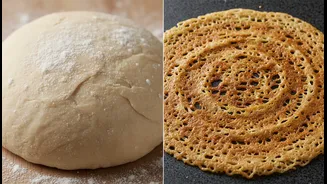
A perfect dosa, on the other hand, is all about being light and crispy, a texture that is fundamentally at odds with the chewiness gluten provides. The secret to a dosa isn't gluten at all; it's fermentation. Dosa batter is typically made from a blend of rice and urad dal (skinned black gram), both of which are naturally gluten-free. The ingredients are soaked, ground, and then left to ferment for several hours. During fermentation, natural yeasts and bacteria consume the starches in the batter and release millions of tiny carbon dioxide gas bubbles. When this airy batter hits a hot tawa, the water turns to steam and evaporates almost instantly. The bubbles expand, creating a fragile, brittle lattice structure full of holes. This is what gives the dosa its signature crispness. If you were to use a wheat flour with gluten, the elastic network would trap steam and create a soft, flexible pancake—more like a crepe—rather than a brittle, crispy one.
Maida: When You Need That Extra Stretch
So, when is high gluten strength desirable in Indian cooking? For dishes like bhatura, naan, and kulcha. These breads are meant to be fluffy, light, and chewy. They rely on a strong gluten network to trap the gases produced by leavening agents like yeast or baking soda, allowing the dough to puff up dramatically when fried or baked. This is the job for maida, or refined wheat flour. Maida is made from only the endosperm of the wheat grain, with the bran and germ removed. This not only makes it finer and whiter but also gives it a higher potential for strong gluten development, making it perfect for creating those soft, stretchy, and airy breads.