






The Box Office vs. The Algorithm
The relationship between Over-the-Top (OTT) platforms and theatre box office sales is less of a war and more of a complex recalibration. While gross box office collections have shown resilience, hitting an all-time high in 2025, the impact is felt elsewhere.
Theatrical footfalls have struggled to return to pre-pandemic highs, with a notable drop in attendance for mid and small-budget films. Exhibitors argue that when audiences know a movie will land on a streaming service within weeks, many choose to wait, especially if it isn't a large-scale event film. This has led to a clear divide: theatres are increasingly becoming the exclusive domain of massive, spectacle-driven blockbusters that demand a big-screen experience, while smaller, narrative-focused films often find a more sustainable audience online. The industry is adapting, with filmmakers and studios now creating content specifically for each medium, recognizing they serve different needs.
Why Youth Are Clicking 'Play' at Home
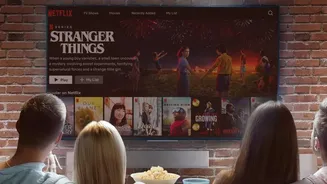
For younger audiences, the preference for streaming is driven by a powerful combination of cost, convenience, and choice. A single trip to a multiplex for a family can cost upwards of ₹2,000, whereas a monthly subscription to an OTT service provides a vast library of content for the price of one or two movie tickets. This economic argument is compelling. Beyond cost, convenience is paramount. OTT platforms offer the flexibility to watch anytime, anywhere, on any device, which aligns perfectly with a mobile-first lifestyle. A study found that 78% of respondents preferred streaming on their TVs, citing better audio-visual quality and comfort. The sheer volume and diversity of content, from international series to regional language productions, also give streaming a significant edge in catering to personalized tastes.
A New Content Ecosystem
The rise of OTT has fundamentally changed not just how we watch, but what we watch. These platforms have become a haven for content-driven cinema, backing stories, genres, and formats that might be considered too risky for a theatrical release. This has democratized storytelling, providing a launchpad for new talent and unconventional narratives that thrive in a long-form series format or as niche films. In response, the film industry is pivoting. The number of films premiering directly on digital platforms has decreased as studios revert to a 'theatrical-first' model, often with an eight-week exclusive window for cinemas. This strategy aims to maximize box office revenue, which still serves as a crucial benchmark for a film's success and subsequent value on streaming platforms.
The Future is Coexistence, Not Competition
Instead of one replacing the other, theatres and OTT are evolving to coexist by offering distinct experiences. Theatres provide an irreplaceable communal and immersive event. The collective gasps, laughs, and cheers during a blockbuster are an experience streaming cannot replicate. As such, cinemas are focusing on enhancing this premium experience with better technology, sound, and comfort to justify the ticket price. At the same time, OTT platforms are cementing their role as the home of convenient, diverse, and long-form storytelling. The industry is settling into a hybrid reality where both models play to their strengths. A film can enjoy the prestige and initial revenue of a theatrical run before reaching a wider, more diverse audience on streaming platforms weeks later, proving that the two can complement each other in a transformed entertainment landscape.