



The Humble Original
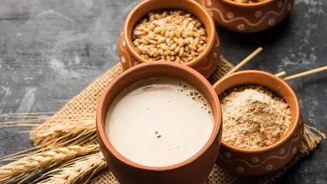
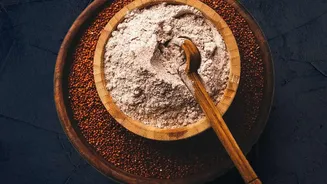
For generations, ambali, also known as ragi ambali or ganji, has been a nutritious staple in South India, particularly in states like Karnataka, Andhra Pradesh, and Telangana. At its heart, it is a simple porridge or beverage made from finger millet (ragi)
flour cooked with water. The mixture is then allowed to ferment, often overnight, a crucial step that imparts a subtle tangy flavour and unlocks a wealth of health benefits. Traditionally known as a farmer's fuel, this cooling and hydrating drink provided sustained energy for a long day's work. It could be served savoury, mixed with buttermilk, salt, and perhaps some chopped onion or green chilli, or sweet with jaggery.
From Farm to Cafe Counter
So why is this rustic beverage suddenly appearing on the menus of trendy urban wellness cafes? The answer lies in a powerful convergence of modern health trends. There's a massive global interest in gut health and the power of probiotics. Fermented foods like kimchi, kefir, and kombucha are more popular than ever, and ambali is India’s own time-tested answer to this movement. The fermentation process enriches the drink with beneficial bacteria, like the probiotics found in yoghurt, that support a healthy digestive system. Coupled with a growing 'back to roots' philosophy, health-conscious urbanites are increasingly seeking out indigenous grains, nutrient-dense superfoods, and authentic recipes over processed alternatives.
Not Your Grandmother's Porridge
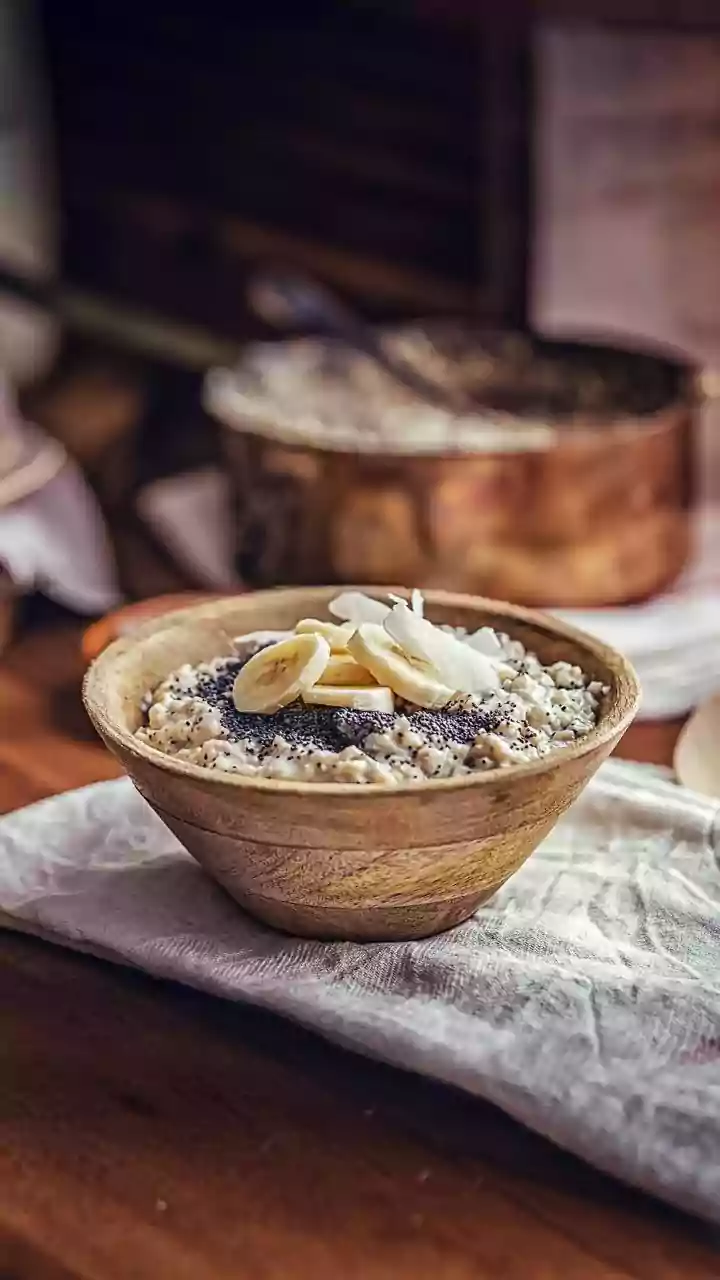
Urban cafes aren't just reheating an old recipe; they are reimagining it. This 'elevation' is key to ambali's newfound appeal. The core elements of fermented ragi remain, but the presentation and flavour profiles are being creatively updated. Instead of a simple steel tumbler, you might find ambali served in a chilled glass, garnished with fresh mint or a sprinkle of roasted cumin powder. Some establishments are infusing it with new ingredients, blending in fruit purees for a touch of sweetness or introducing spices like cardamom and ginger to create more complex, layered flavours that appeal to the modern palate. This thoughtful rebranding makes the traditional drink more accessible and exciting for a new generation that values both wellness and aesthetics.
A Nutritional Powerhouse
The appeal of ambali goes far beyond being a trend. Finger millet itself is a nutritional giant. It is naturally gluten-free and packed with essential nutrients, boasting one of the highest calcium contents among cereals, which is vital for bone health. It's also a great source of iron, dietary fibre, and essential amino acids. The fermentation process significantly boosts its health credentials. It reduces anti-nutrients like phytic acid, which can hinder mineral absorption. This means the iron and calcium in the ragi become more bioavailable for your body to use. Furthermore, its high fibre content and low glycemic index help in regulating blood sugar levels and can aid in weight management by promoting a feeling of fullness.
A Taste of Modern Tradition
The rise of ambali in city cafes is more than just a food trend; it's a celebration of cultural heritage. It represents a conscious effort to reclaim and popularise ancient wisdom in a contemporary context. For years, such traditional foods were often perceived as old-fashioned or rural. By placing ambali on the same menu as an avocado toast or a flat white, cafes are sending a powerful message: that our own culinary traditions are just as valuable, healthy, and 'cool' as their global counterparts. This movement honours the knowledge of our ancestors while adapting it for the needs and tastes of today's fast-paced, health-aware world.