






From Fuel to Focus
For generations, travel planning followed a familiar script. You’d pick a destination for its history, beaches, or mountains. Food was merely fuel, a logistical detail to be managed between museum visits and photo-ops. A good meal was a bonus, a bad one
a minor inconvenience. That script has now been flipped. For a growing number of Indian travellers, the question is no longer “What will we see there?” but “What will we eat there?” The culinary journey has become the destination itself. This isn't just about fine dining; it's about a deep, sensory engagement with a place through its markets, street stalls, cooking classes, and local kitchens. The humble meal has been elevated to a core travel experience, powerful enough to dictate entire itineraries.
The Social Media Effect
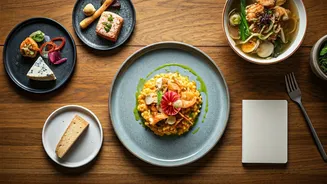
It’s impossible to discuss this trend without acknowledging the role of social media. Platforms like Instagram and TikTok have transformed food into a highly visual, shareable, and aspirational commodity. A well-lit photo of a steaming bowl of ramen in Tokyo or a colourful chaat from a Lucknow street vendor does more than just showcase a meal; it sells a dream. It communicates a story of authenticity, discovery, and pleasure. When we see our friends or favourite influencers embarking on food walks in Old Delhi, learning to make pasta in Tuscany, or exploring the spice plantations of Kerala, it plants a powerful seed. We’re not just seeing food; we’re seeing an experience we want to replicate. This digital word-of-mouth has made culinary hotspots as coveted as world-famous landmarks.
A Hunger for Authenticity
In an increasingly globalised world, travellers are searching for genuine connections to the places they visit. Food offers one of the most direct and honest pathways to a culture. You can learn more about a region’s history, agriculture, and social customs from a single shared meal than from a dozen guidebooks. Sharing a traditional 'sadya' on a banana leaf in Kerala or breaking bread with a family in a Rajasthani village is an act of cultural immersion that transcends language barriers. This desire for authenticity is driving people away from tourist-trap restaurants and towards experiences that feel real and unscripted—be it a farm-to-table meal, a local food tour, or a visit to a bustling morning market. Food is the universal language, and today's travellers are eager to become fluent.
India on a Plate
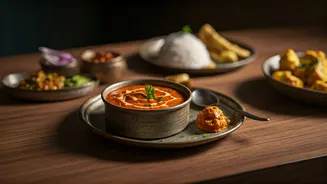
This trend is particularly vibrant within India, a country whose culinary map is arguably more diverse than its geographical one. Domestic tourism is being reshaped as travellers explore the nation’s incredible gastronomic variety. People are travelling to Amritsar for its kulchas and lassi, to Hyderabad for its biryani, to Kolkata for its kathi rolls and mishti doi, and to the coasts of Goa and Kerala for fresh seafood. Cities like Lucknow and Indore have built entire tourism identities around their street food scenes. This isn't just about urban centres. Discerning travellers are heading to Coorg for coffee plantation tours, Nashik for wine tasting, and remote parts of the Northeast to sample tribal cuisines. The journey to discover India is now, more than ever, a journey through its kitchens.
The Industry Responds
The travel industry, from airlines to five-star hotels and boutique tour operators, has been quick to adapt. Hotels are no longer just places to sleep; they are culinary hubs offering curated dining experiences, celebrity chef pop-ups, and immersive cooking classes. Tour companies that once focused on monument-hopping now design specialised gastronomic trails. Online travel agencies highlight local food experiences as key attractions. This response is creating a virtuous cycle: as more high-quality food experiences become available and accessible, more travellers are encouraged to plan their trips around them, further fuelling demand and innovation in the culinary travel space.