



The Monsoon Digestion Challenge
According to Ayurveda, the ancient Indian science of life, the monsoon season, or 'Varsha Ritu', is a time when our digestive fire, known as 'Agni', tends to be weaker. [2] The high humidity, increased risk of water-borne infections, and a general slowdown
can lead to issues like bloating, gas, and indigestion. [2, 23] Traditional wisdom suggests eating foods that are light, warm, and easy to digest during this period. [2, 3] Modern science also acknowledges that the damp environment can be a breeding ground for germs, making it crucial to be mindful of what we eat to support our gut health and overall immunity. [4, 23]
Green Moong: A Digestive Superstar
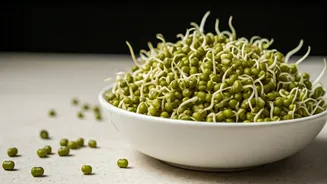
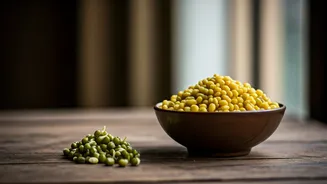
This is where green moong, also known as mung bean or sabut moong, shines as a nutritional hero. [13] It is widely regarded as one of the most easily digestible lentils, making it an ideal food for the sensitive monsoon season. [13, 19, 24] Unlike heavier legumes, whole green moong is gentle on the stomach. Its fibre content supports smoother digestion and helps regulate bowel movements without causing the heaviness that can follow a rich meal. [1, 9] This quality makes it a staple recommendation in Ayurvedic diets, especially when the digestive system needs support. [2, 5]
A Powerhouse of Plant Protein
Beyond its digestibility, green moong is an excellent source of plant-based protein. [13] A 100-gram serving of raw moong dal contains approximately 24 grams of protein. [13, 15] This is crucial for maintaining energy levels, repairing tissues, and building immunity, especially when you might be eating lighter meals overall. [13, 24] The protein, combined with fibre, also helps you feel full and satisfied for longer, preventing unhealthy snacking on fried foods that are often craved during rainy weather. [9, 13]
More Than Just Protein and Fibre
Green moong's benefits don't stop there. It is packed with a wealth of essential micronutrients. It is a rich source of minerals like potassium, magnesium, iron, and copper. [8] It also contains vital B-vitamins, including folate (B9), which is crucial for overall health. [7, 8] These nutrients contribute to better heart health, help manage blood sugar levels, and boost your immune system to fend off seasonal illnesses. [13, 15] The presence of antioxidants further helps in reducing inflammation and protecting the body from cellular damage. [22]
Easy Monsoon Lunch Ideas
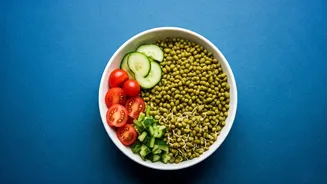
Incorporating green moong into your diet is simple and versatile. A classic Sabut Moong Dal is a comforting and nourishing choice that pairs perfectly with rice or roti. [12] For a light yet filling meal, Khichdi made with rice and green moong is a go-to comfort food that's gentle on the gut. [2, 6] You can also try making Pesarattu, a crispy dosa-like pancake from Andhra Pradesh made from green moong batter. [12] Another great option is a warm salad using sprouted moong, which further enhances its nutritional value and digestibility, mixed with simple spices and a squeeze of lemon. [9, 14]