

Why Look Beyond White Rice?
For many, a typical lunch revolves around polished white rice. It’s comforting and versatile, but it's often a meal of simple carbohydrates. The refining process strips away most of the grain's natural fibre and nutrients, leading to a quick spike in blood
sugar followed by an energy crash. This can leave you feeling drowsy and unproductive in the afternoon. While an integral part of our cuisine, a lunch dominated by white rice can be low in essential minerals and dietary fibre, which is crucial for good digestion and feeling full. This is where ancient grains like millets step in, offering a compelling reason to rethink our daily lunch bowl.
The Nutritional Power of Millets
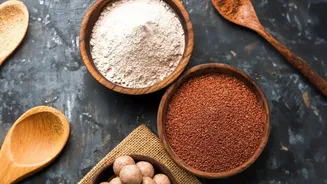
Millets are a group of small-seeded grains that are nutritional powerhouses. Compared to white rice, they are significantly richer in protein, dietary fibre, and essential minerals like iron, magnesium, and calcium. For example, foxtail millet contains nearly double the protein of white rice, while finger millet (ragi) is an exceptional source of calcium. One of the most significant advantages of millets is their low glycemic index. This means they release sugar into the bloodstream slowly, providing sustained energy without the sharp peaks and troughs associated with refined grains. This makes millet-based meals an excellent choice for managing blood sugar levels and maintaining energy throughout the day. Furthermore, millets are naturally gluten-free and act as prebiotics, supporting a healthy gut.
Tips for a Perfect, Fluffy Millet Pulao
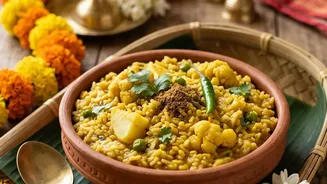
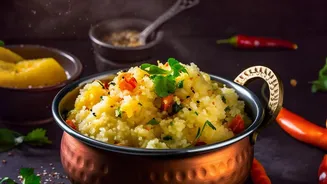
Cooking millets can seem intimidating, but a few simple tricks ensure a fluffy, non-sticky pulao every time. The key is to get the water ratio right, which is typically 1:2 (one part millet to two parts water). Start by rinsing the millets thoroughly and soaking them for at least 30-60 minutes. This helps remove any bitterness and ensures even cooking. When cooking, heat oil or ghee in a pan and toast your whole spices like cumin, bay leaves, cloves, and cinnamon to release their aroma. Sauté your onions, ginger-garlic paste, and vegetables before adding the drained millet. Stir gently for a minute before adding the water and salt. Bring the mixture to a boil, then cover and simmer on a low flame until all the water is absorbed, which usually takes about 15-20 minutes. Crucially, let the pulao rest, covered, for at least 5-10 minutes after turning off the heat. This allows the grains to steam and become perfectly separate. Fluff gently with a fork before serving.
Make It Your Own: Pulao Variations
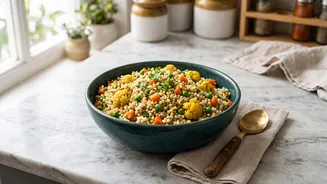
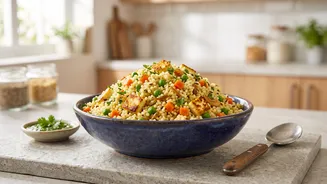
The beauty of millet pulao lies in its versatility. You are not limited to a single type of millet; foxtail, little, kodo, and barnyard millets all work wonderfully in pulao recipes. Each has a slightly different flavour and texture, so feel free to experiment. You can enrich your pulao with a variety of vegetables like carrots, beans, peas, and bell peppers. For an extra protein boost, add paneer cubes, chickpeas, or even soaked soya chunks. To enhance the flavour, many recipes use a fresh paste of mint and coriander leaves, which gives the dish a vibrant colour and aroma. A final squeeze of lime juice just before serving brightens up all the flavours and completes the dish.