


First, Protect Your Gear
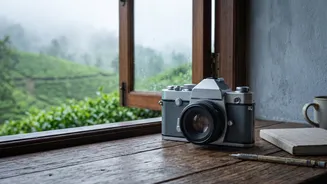
Before you step out, safeguarding your equipment is crucial. Rain and electronics don't mix, but a few simple precautions can prevent costly damage. A dedicated rain sleeve or even a simple plastic bag secured over your camera can work wonders. Always
carry a microfibre cloth to wipe away stray droplets from your lens and a waterproof backpack to store your gear when moving between locations. Keeping a few silica gel packets in your bag is also a great pro-tip to absorb excess moisture and prevent fogging. Try to avoid changing lenses in a downpour to protect your camera's sensor.
Capture Reflections in Puddles
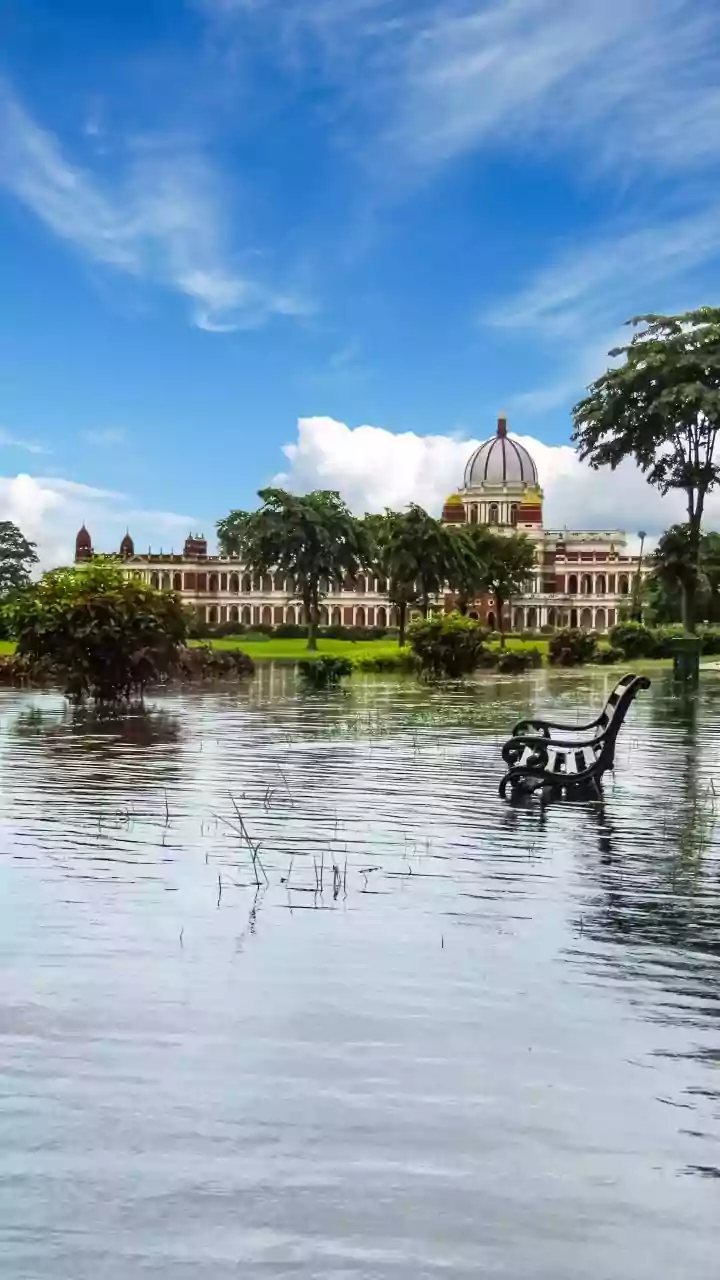
Puddles are nature's mirrors, offering a fantastic opportunity for creative compositions. After a fresh spell of rain, look for puddles that reflect interesting subjects like colourful buildings, dramatic clouds, or the silhouette of a person with an umbrella. Get low to the ground to make the reflection the hero of your shot. These scenes are especially powerful in urban areas during the evening, where streetlights and neon signs create a beautiful, moody ambiance on the wet roads.
Focus on Macro Details
The monsoon brings the tiny world at our feet to life. This is the perfect time for macro photography. Focus on raindrops clinging to flower petals, blades of grass, or intricate spiderwebs. The rain washes away dust, making colours appear more saturated and details sharper. Look for snails, frogs, and other creatures that emerge during this season. You don’t always need a dedicated macro lens; many modern smartphone cameras have excellent close-up capabilities that can help you capture these small wonders.
Embrace the Lush Green Landscape
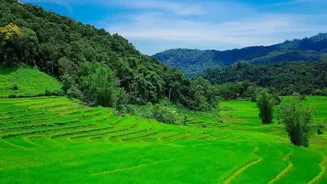
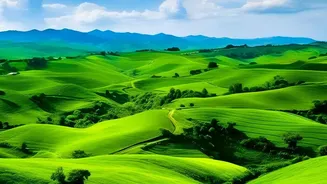
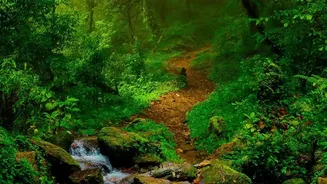
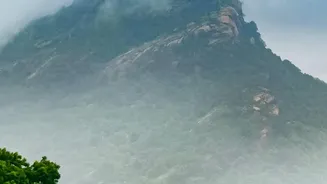
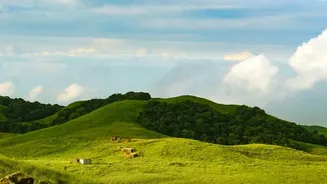
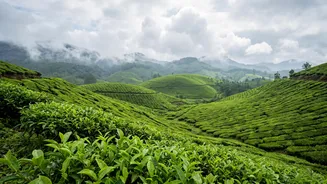
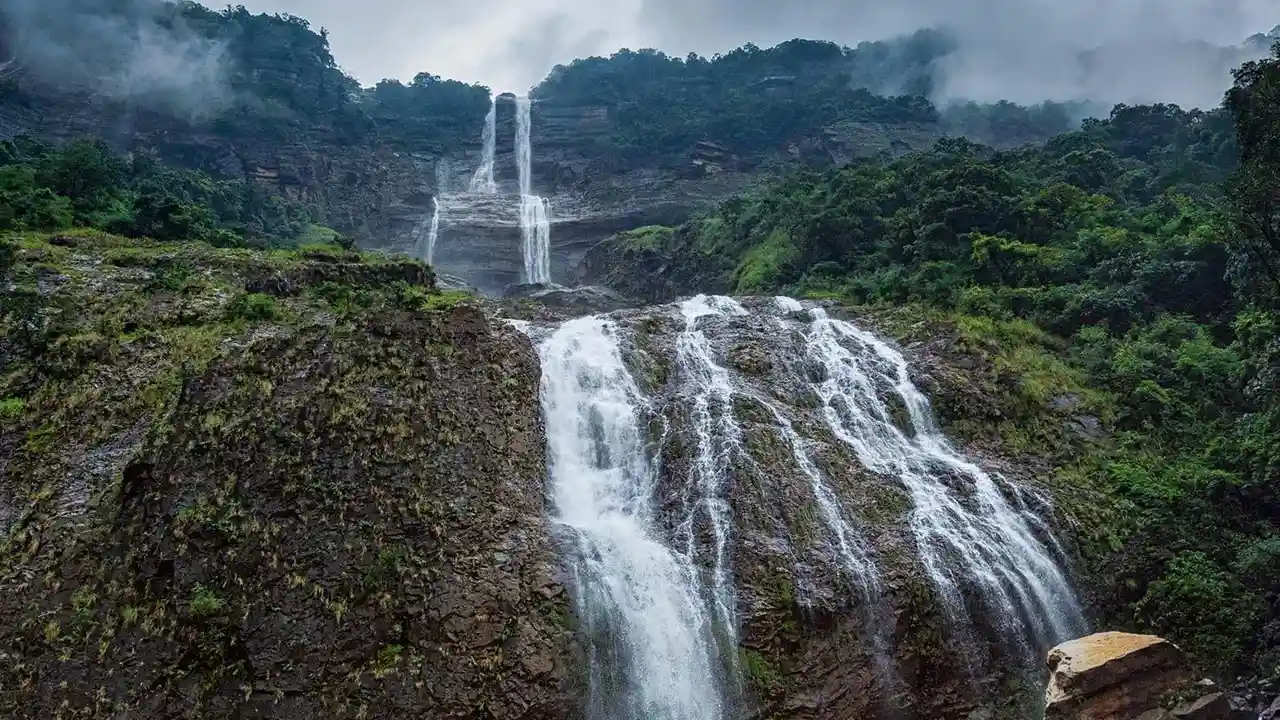
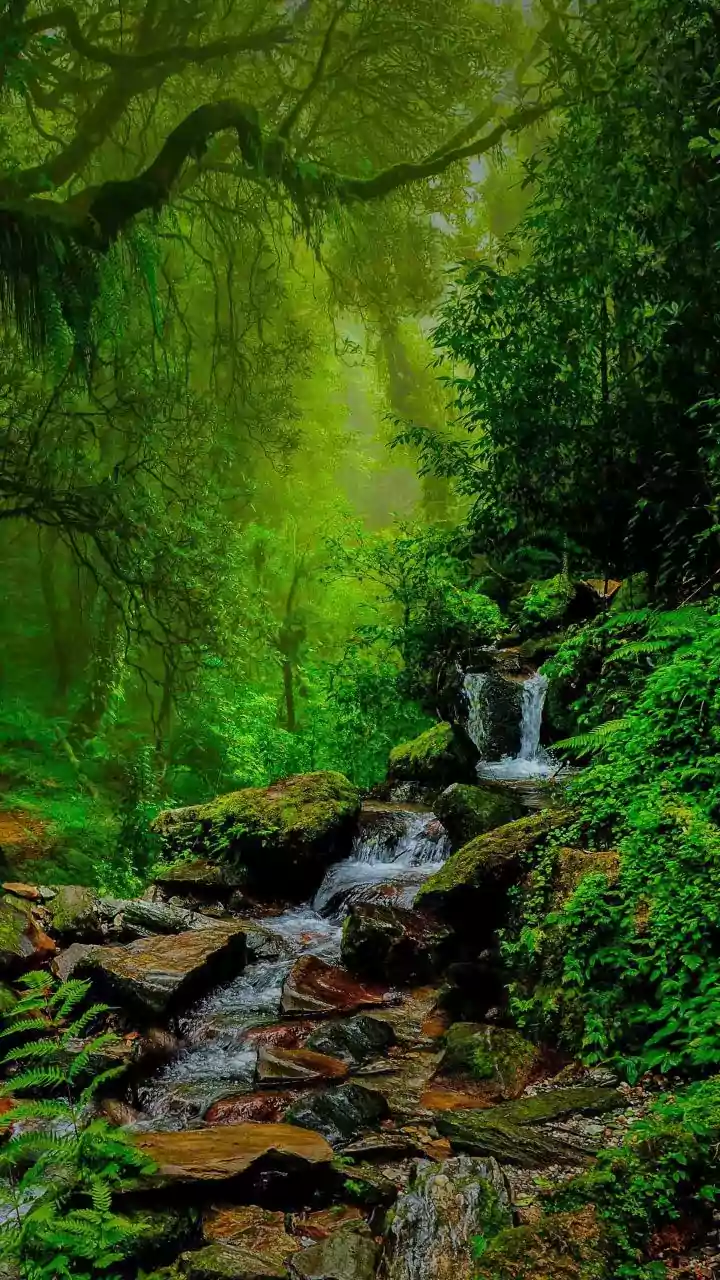
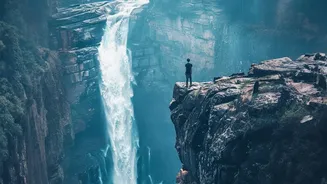
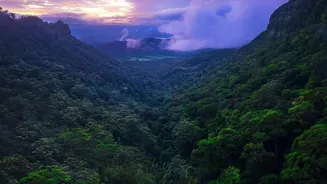
The most noticeable change during the monsoon is the explosion of green. Hills, forests, and fields turn a deep, saturated green that is a feast for the eyes and the camera. Destinations in the Western Ghats like Munnar or Coorg, and the misty hills of Meghalaya become incredibly photogenic. Use a polarising filter to cut through the glare on wet leaves and deepen the blue of the sky if it peeks through the clouds. For waterfalls, which are at their peak flow, use a tripod and a slow shutter speed to create a smooth, milky effect with the water.
Tell a Story with People and Rain
Rain changes human behaviour, creating endless storytelling opportunities for street photographers. Capture the hustle of a crowded street with a sea of colourful umbrellas, children splashing joyfully in puddles, or a couple sharing a quiet moment under a single canopy. These candid moments add a powerful human element to your monsoon photography. Playing with shutter speed can be effective here: a fast shutter speed will freeze raindrops and splashes, while a slower one can create a sense of motion and urgency.
For the Enthusiast: Capture Lightning
Photographing lightning is challenging but incredibly rewarding. The key is patience and safety. Find a safe, sheltered spot with a clear view of the storm. Use a sturdy tripod, as you’ll be working with long exposures. At night, set your camera to a long shutter speed (several seconds) and a mid-range aperture (like f/8). Use a remote shutter or cable release to trigger the camera without touching it, and take continuous shots. Eventually, you will capture a frame with a lightning strike. For daytime lightning, a dedicated lightning trigger is the most effective tool, as it automatically fires the shutter when it detects a flash.