


The Real Purpose of Cat-Cow
Known in Sanskrit as Marjaryasana-Bitilasana, Cat-Cow is a flowing movement designed to warm up the body and bring flexibility to the spine. It's more than just an item on a warm-up checklist; its primary goal is to gently articulate the vertebrae, moving
the spine through flexion (rounding like a cat) and extension (arching like a cow). This movement helps lubricate the spinal discs, activates core muscles, and stretches the muscles of the back and abdomen. Crucially, it also synchronizes breath with movement, which helps calm the nervous system. Rushing the pose or forcing an extreme shape defeats this purpose. The aim is mindful mobility, not contortion.
Common Pain Points and Their Causes
Pain during Cat-Cow usually signals an issue with form or underlying sensitivity in a specific area. The most common culprits are the wrists, neck, and lower back. Wrist pain often occurs when the joint is bearing too much weight at a sharp 90-degree angle, or if the alignment is off (hands not directly under shoulders). Neck pain can arise from 'cranking' the head back in Cow pose or forcing the chin to the chest in Cat, rather than letting the head follow the natural curve of the spine. Lower back pain can happen when you 'sag' into the Cow pose, collapsing the lumbar spine instead of creating a gentle, supported arch. This often points to a need for more core engagement to stabilize the pelvis.
Finding Your Foundational Form
Perfecting the setup can prevent most issues. Start on all fours in a 'tabletop' position. Your hands should be directly under your shoulders and your knees directly under your hips, about hip-width apart. Spread your fingers wide to distribute weight evenly across your palms. Keep your elbows soft, not locked, to avoid hyperextension. Before you move, find a neutral spine where your back is flat. Engage your core slightly, as if drawing your navel toward your spine, to provide support.As you inhale into Cow, initiate the movement from your tailbone, lifting it as your belly softens toward the floor and your chest opens. Your gaze should lift forward, not straight up to the ceiling. As you exhale into Cat, again start from the tailbone, tucking it under as you press the floor away and round your spine. Let your head hang heavy, with your gaze toward your navel, but don't force it. The movement should be fluid, like a wave.
Smart Modifications for Pain-Free Practice
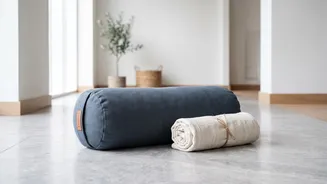
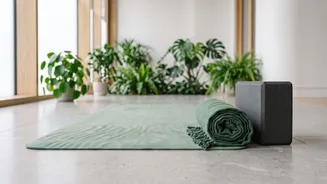
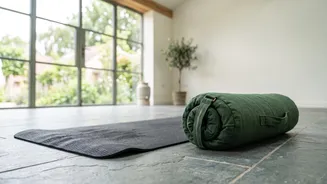
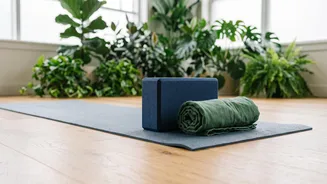
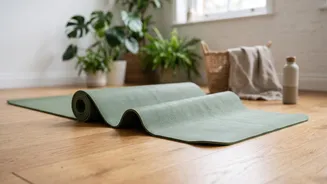
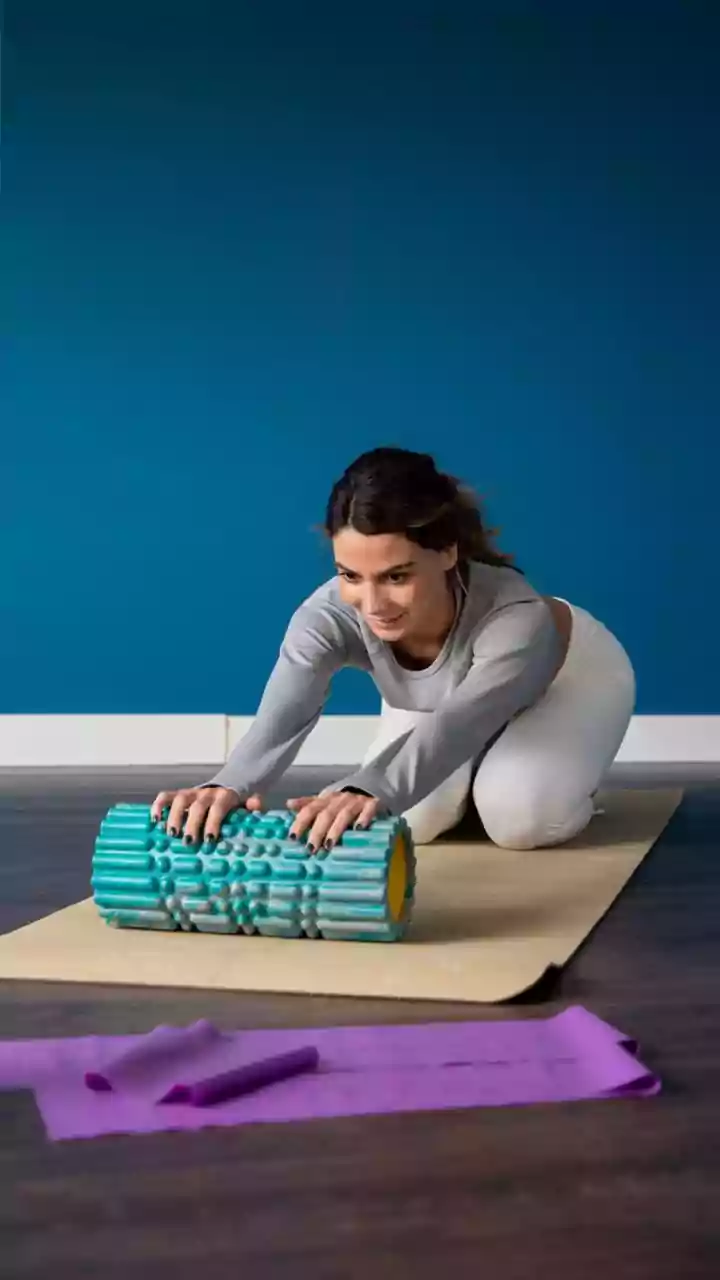
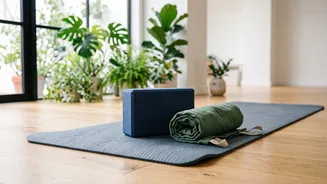
If pain persists, listen to your body and modify the pose. The goal is to get the spinal benefits without the joint strain.For Wrist Pain: Instead of placing your palms flat, you can make fists and rest on your knuckles to keep the wrists straight. Another option is to lower onto your forearms, keeping your elbows under your shoulders. You can also place a rolled-up mat or towel under the heels of your hands to lessen the angle of extension.For Knee Pain: Simply placing a folded blanket or towel under your knees for extra cushioning can make a world of difference.For Back or Neck Sensitivity: Reduce the range of motion. Make the arches and rounds smaller and more focused on the mid-spine. In Cow pose, keep your gaze on the floor just ahead of your hands to keep your neck long and prevent compression. If any movement causes sharp pain, especially radiating pain, it's best to stop and consult a professional.Seated or Standing Versions: You can get the same spinal articulation without loading your wrists or knees at all. Sit in a chair with your hands on your knees and move through the same arching and rounding motions. You can also do it standing with hands braced on your thighs or a wall.