More Than Just a Sidekick
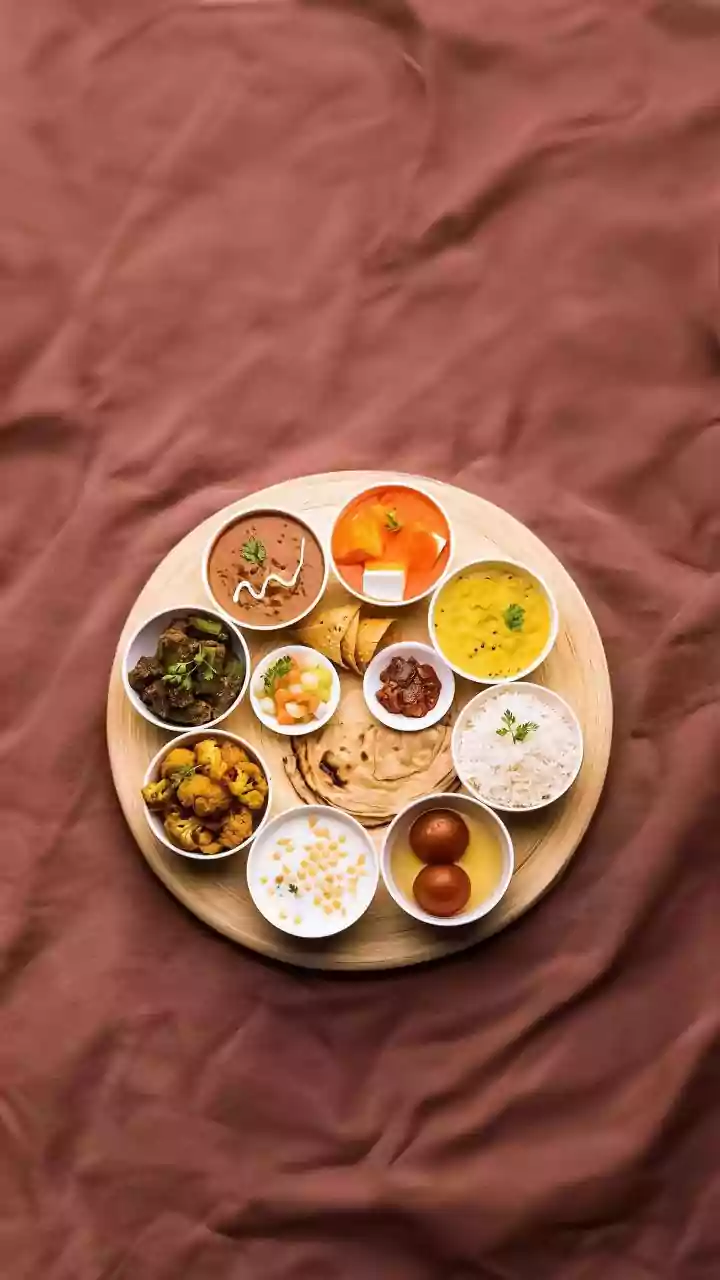
In the theatre of an Indian meal, pickles are frequently cast in a supporting role—a fiery, tangy counterpoint to the subtlety of dal, rice, or curd. While they masterfully perform this function, their importance runs far deeper. An Indian meal is a study
in balancing the six essential tastes (sweet, sour, salty, bitter, pungent, and astringent), and pickles are the ingredient that often completes this profile. A simple meal of dal-chawal can be instantly elevated and made more sensorially complete with a sliver of lime or mango pickle. This isn't just about taste; it's about making the meal more satisfying and, according to tradition, more digestible. The practice of pickle-making itself is a cultural ritual, a method of preserving seasonal abundance passed down through generations.
A Gut-Friendly Powerhouse
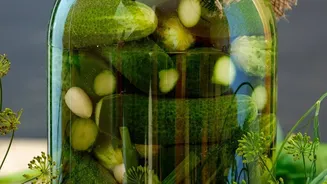
The most significant argument for re-evaluating pickles lies in the magic of fermentation. Traditionally prepared Indian pickles, which are fermented naturally using salt and sunlight, are a rich source of probiotics. These are the beneficial live bacteria, like Lactobacillus, that are crucial for a healthy gut microbiome. Unlike many mass-produced versions that are pasteurised or made with vinegar—processes that kill these good bacteria—authentic homemade pickles can support digestion, enhance nutrient absorption, and even boost immunity. The spices used, such as turmeric, fenugreek, and mustard seeds, also contribute antioxidant and anti-inflammatory properties, adding another layer of health benefits.
A Library of Regional Flavours
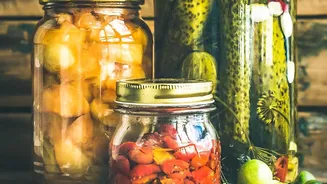
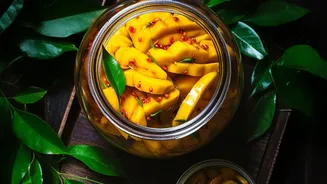
To think of Indian pickles as just 'mango' or 'lime' is to see only a fraction of a vast and diverse library. Each region has its own unique creations, reflecting local produce and climate. Andhra Pradesh and Telangana offer the fiery and tangy Gongura pachadi, made from sorrel leaves. From Gujarat comes the sweet and sour grated mango Chhundo and the complex Bijora (citron) pickle from Kutch. The Konkan coast gifts us with Ambe Halad, a pickle made from mango ginger that smells like raw mango but has the crisp texture of ginger. In the Northeast, fermented bamboo shoot pickle is a smoky, pungent delicacy. Exploring these varieties is a journey through India's rich biocultural heritage, where every jar tells a story of its origin.
Making a Conscious Choice
Not all pickles are created equal. The concerns about high sodium and oil content are valid, especially regarding commercially produced pickles. Many factory-made versions use refined oils, excessive salt, and chemical preservatives to extend shelf life, sacrificing the nutritional benefits of the traditional process. The key is moderation and selection. Opting for homemade pickles or those from artisanal brands that follow traditional fermentation methods is a better choice. These often use cold-pressed oils, mineral-rich salts, and no artificial additives. A small spoonful is all that's needed to reap the benefits without overdoing the salt and fat. Think of it as a flavour concentrate and a health supplement in one.