
What Exactly is Friselle?
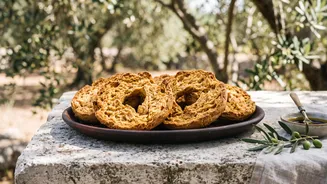
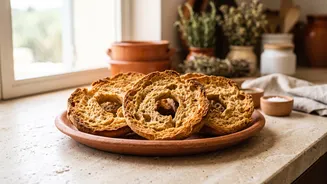
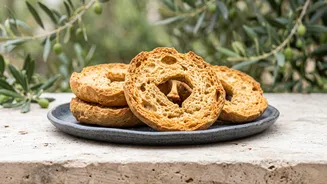
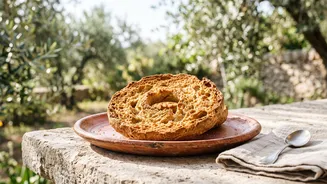
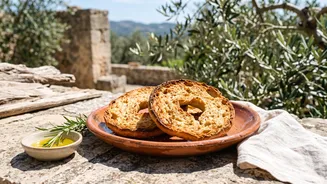
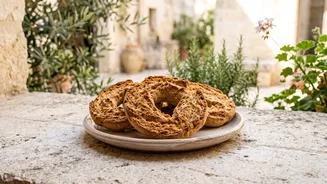
Hailing from the sun-drenched regions of Puglia, Calabria, and Campania, friselle (also known as frise or freselle) look like a cross between a bagel and a very hard rusk. Made from simple ingredients like durum wheat or barley flour, water, salt, and yeast,
these donut-shaped breads are defined by their texture: rock-hard and incredibly crunchy. This isn't your typical soft loaf. At first glance, you might wonder why anyone would buy such a hard cracker, but its durability is precisely its genius, born from centuries of necessity.
The Ancient Secret to a Long Shelf Life
The magic of friselle lies in a process that predates modern refrigeration: double-baking. The dough is first shaped into rings and baked until firm. Then, while still warm, the rings are split horizontally and baked a second time at a lower temperature until all the moisture is gone. This 'bis-cotto' (twice-cooked) method is what makes them so shelf-stable, capable of lasting for many months when stored correctly. Historically, this made them the perfect food for sailors, farmers, and soldiers who needed sustenance for long journeys. The ring shape was even practical, allowing sailors to string them onto a rope for easy storage on board ships.
How to Store and Prepare Friselle
As the headline suggests, the key to friselle's longevity is keeping them dry. Stored in an airtight container or a paper bag in a cool, dry pantry, they will remain perfectly preserved for weeks, if not months. Do not refrigerate them. When you are ready to eat them, you must not bite into them directly—they are far too hard. The essential preparation step is called 'sponzatura', which involves briefly rehydrating the friselle. You can quickly run it under cold water or dip it in a bowl for just a few seconds. The goal is to soften the interior while leaving a pleasant bite, not to make it soggy. In ancient times, sailors would simply dip them in clean sea water before adding toppings.
A Canvas for Delicious Toppings
Once softened, the rough, porous surface of the frisella becomes the perfect base for a variety of fresh ingredients. The most classic preparation is also the simplest: top the moistened bread with fresh, chopped cherry tomatoes, a generous drizzle of high-quality extra virgin olive oil, a sprinkle of salt, and a bit of oregano or fresh basil. The juices from the tomatoes soak into the bread, creating a dish that is both rustic and incredibly refreshing. This simple combination turns a humble pantry item into a light and satisfying meal, perfect for a quick lunch on a hot day.
Beyond the Classic
While the tomato-topped version is iconic, the versatility of friselle invites creativity. Think of it as an edible plate. You can top it with almost anything you would put on a bruschetta or in a salad. Popular variations include adding canned tuna, mozzarella, anchovies, olives, or red onion. Some prefer to top it with grilled vegetables, creamy burrata and pesto, or even a spicy Calabrian sausage spread like 'nduja. Whether you stick to tradition or experiment with your own combinations, friselle offers a taste of Southern Italian ingenuity in every crunchy bite.