






The Rise of the 'Shelfie'
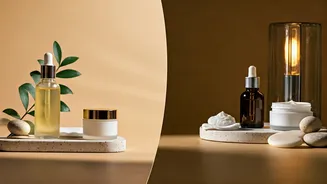
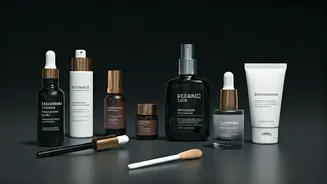
In recent years, the bathroom counter has transformed into a stage. Influencers and social media trends have popularised the 'shelfie'—a curated display of countless bottles and jars promising flawless skin. The allure of a 10-step routine, inspired by
global beauty philosophies, led many to believe that layering numerous products was the secret to a perfect complexion. This approach, however, often overlooks a fundamental truth: our skin is a complex organ, not a chemistry experiment. Bombarding it with too many active ingredients can disrupt its natural balance, leading to more problems than solutions.
Signs Your Skin Is Overwhelmed
How do you know if you're overdoing it? Your skin will send clear signals. One of the most common signs is irritation, which can appear as redness, itchiness, or a burning sensation when you apply products. You might also notice unusual dryness, flaking, or tight-feeling skin, which indicates that your skin's protective barrier is compromised. Paradoxically, a sudden increase in breakouts or oiliness can also be a cry for help; stripping the skin of its natural oils can cause it to overcompensate by producing even more. If products that once worked fine suddenly cause a reaction, it's a major red flag that your skin's defenses are down.
Risky Ingredient Cocktails
Not all skincare ingredients play well together. Combining multiple potent actives can lead to irritation or can render the products ineffective. For example, using retinoids (like retinol) with alpha-hydroxy acids (AHAs) or beta-hydroxy acids (BHAs) like glycolic or salicylic acid can be overly harsh, leading to extreme dryness and redness because both increase cell turnover. Another classic conflict is between Vitamin C and certain other acids or niacinamide. While modern formulations have improved stability, combining ingredients with different pH requirements can potentially reduce their effectiveness. A good rule of thumb from dermatologists is to use one primary active in the morning (like Vitamin C for antioxidant protection) and one at night (like a retinoid for cell renewal).
The 'Skinimalism' Solution
In response to overcomplicated routines, a new philosophy has emerged: 'skinimalism'. This less-is-more approach champions a simplified routine focused on a few essential, effective products. The benefits are compelling: it saves time and money, reduces the risk of irritation, and is more sustainable. By paring back, you give your skin the chance to breathe, rebalance, and repair itself. Skinimalism is about prioritising the health of your skin barrier—the outermost layer responsible for locking moisture in and keeping irritants out—over chasing trends.
Building Your Core Routine
Dermatologists agree that an effective skincare routine can be built on three fundamental pillars. First, a gentle cleanser used once or twice a day to remove impurities without stripping the skin of its natural oils. Second is a moisturiser to hydrate and support the skin's barrier function; even oily skin types need this step. Look for ingredients like ceramides, hyaluronic acid, and glycerin. The third and final non-negotiable step for the morning is a broad-spectrum sunscreen with at least SPF 30. Sun protection is the single most important step for preventing premature aging and skin damage.
How to Reintroduce Actives Safely
Once your skin has calmed down and your core routine is established, you can consider reintroducing a targeted treatment if you have specific concerns like acne or signs of aging. The key is to do it slowly. Choose one active ingredient to start with—perhaps a retinoid at night or a Vitamin C serum in the morning. Begin by using it just a few times a week to allow your skin to acclimatise before gradually increasing the frequency. Pay close attention to how your skin responds. If any signs of irritation return, scale back immediately. The goal is consistency, not intensity.