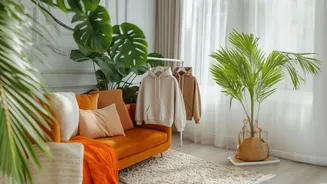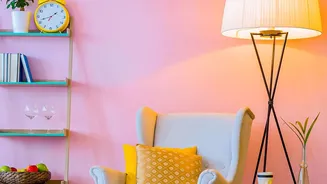

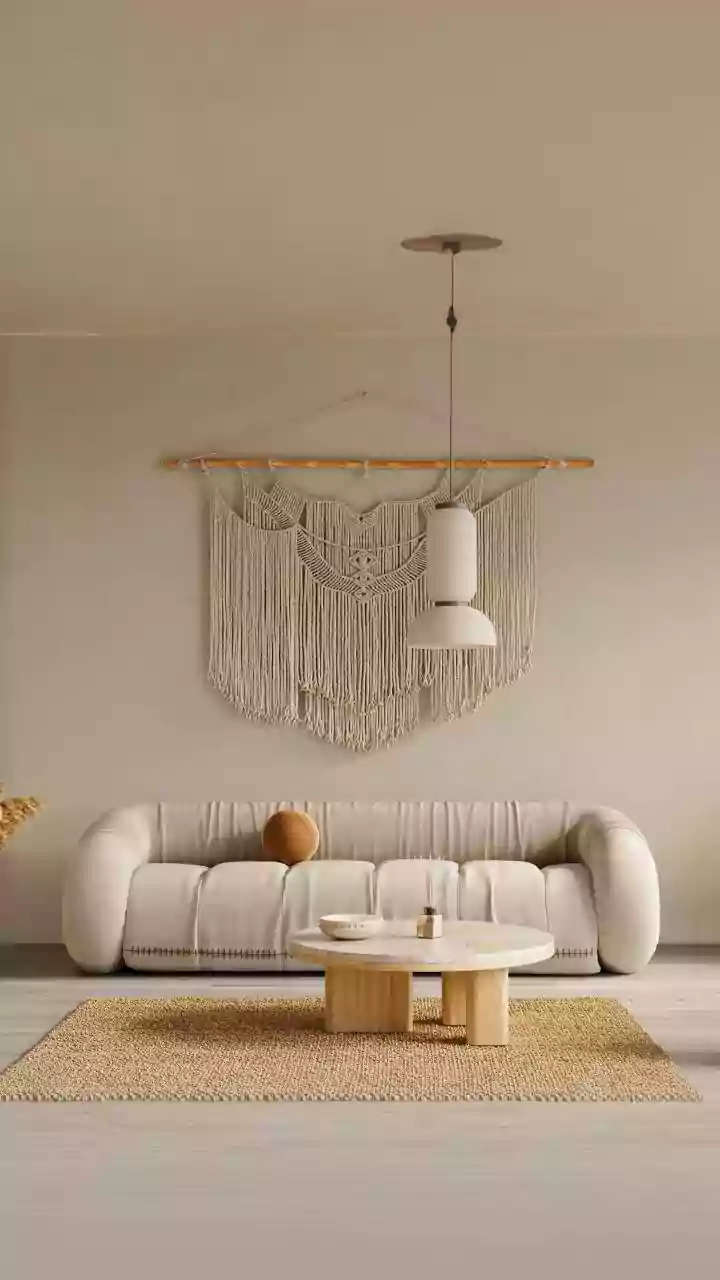
Goodbye Showroom, Hello Sanctuary
For years, the aspiration was a home that looked straight out of a catalogue—flawless, coordinated, and impersonal. Today, that ideal is being replaced by a desire for authenticity. Homeowners, particularly millennials and Gen Z, are rejecting the 'showroom'
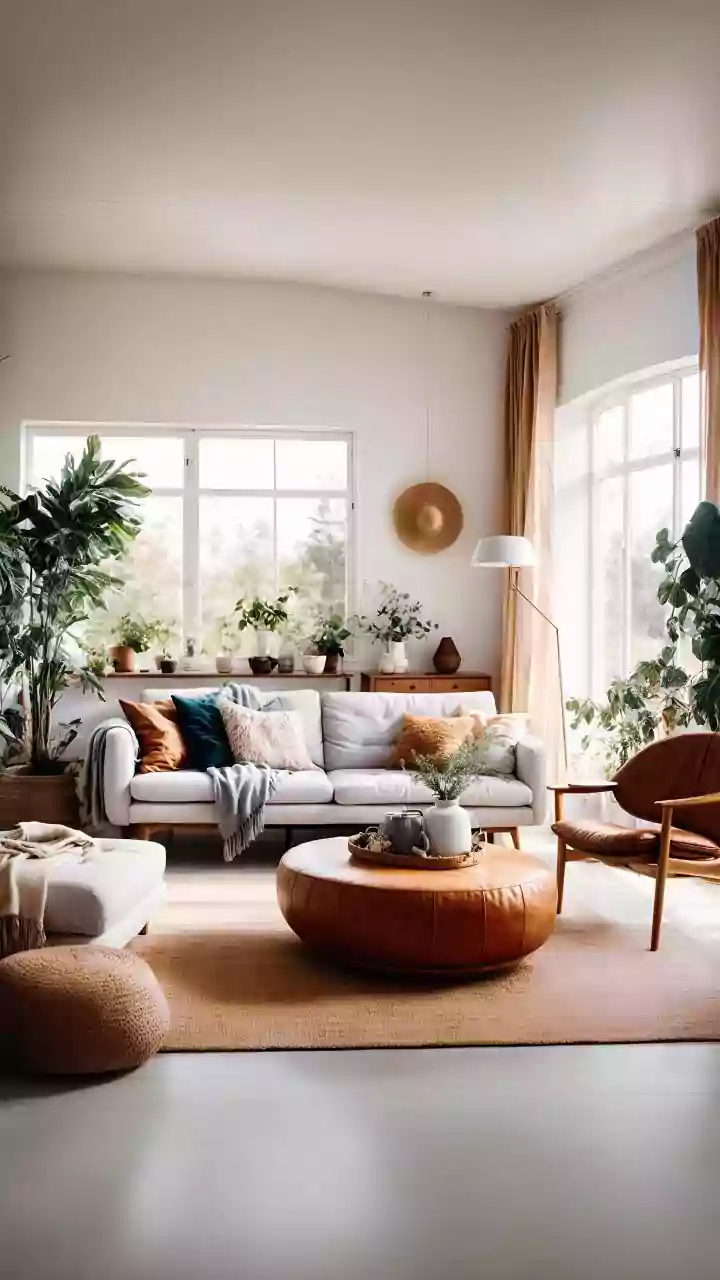
look in favour of spaces that reflect their individual personalities, experiences, and values. This isn't about chasing perfection anymore; it's about creating a sanctuary that feels genuinely lived-in and unique. The focus has moved from how a home looks to how it makes you feel, prioritising comfort, emotional well-being, and self-expression over rigid design rules.
Every Object Tells a Story
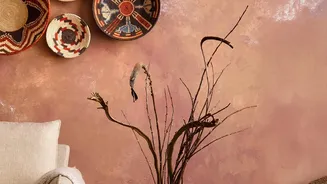
The new wave of personalisation is all about curation. Instead of buying generic decor, people are creating 'statement corners' and styled shelves that showcase their identity. This could be a wall displaying travel souvenirs, a cherished piece of heirloom furniture given a modern twist, or a collection of regional artwork. Handmade and artisanal pieces are gaining immense popularity, as they carry the narrative of their maker and add a soulful touch that mass-produced items lack. This trend honours craftsmanship and transforms functional items into conversation starters, making the home a living album of one's life.
The Rise of Bespoke and Mindful Choices
The demand for customised furniture is surging across India. Homeowners are increasingly commissioning bespoke pieces—from dining tables to modular storage—that are tailored to their specific needs, spaces, and aesthetic preferences. This move is supported by a robust ecosystem of local artisans and furniture makers who blend traditional skills with contemporary designs. This trend also aligns with a growing consciousness around sustainability. Many are choosing durable, high-quality furniture made from local woods like teak and sheesham over 'fast furniture', reflecting a desire for longevity and mindful consumption.
From Digital Mood Boards to Real-Life Rooms
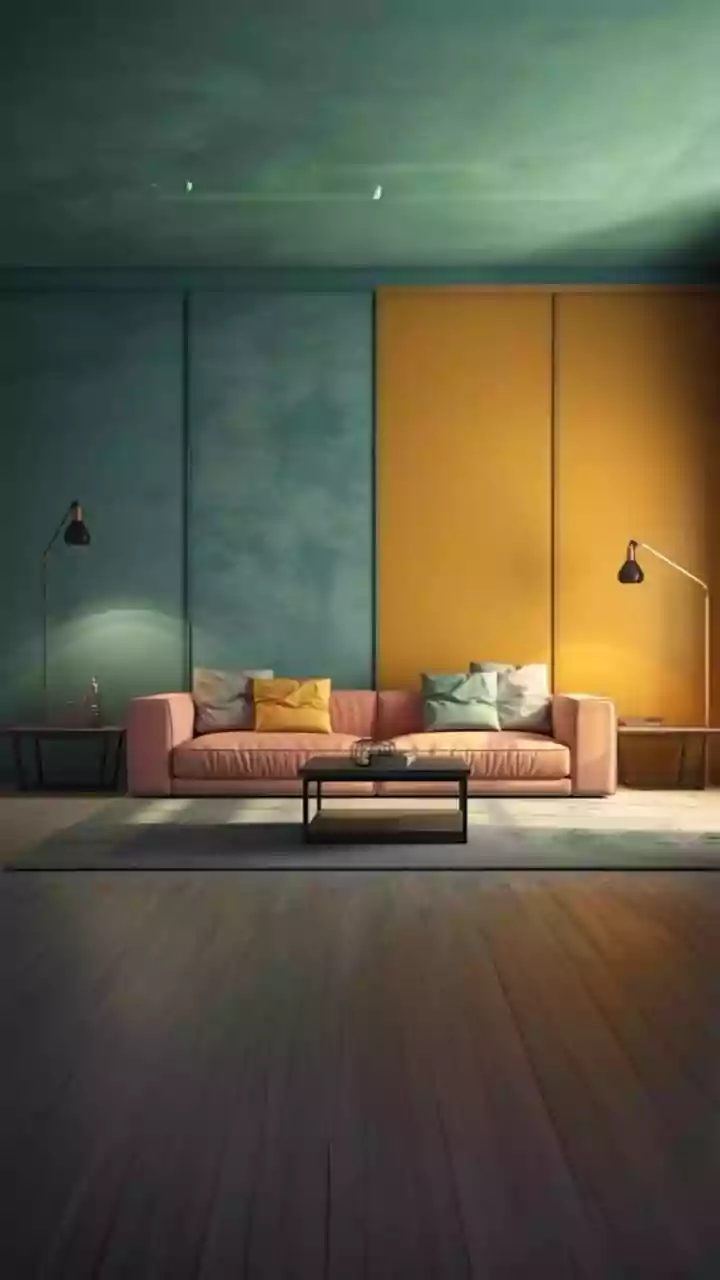
Social media platforms like Instagram and Pinterest have become powerful tools in this personalisation movement. They have democratised design inspiration, allowing homeowners to discover global trends and visualise their ideal spaces before even consulting a designer. Many people now arrive at design studios with fully-formed digital mood boards, articulating a clear vision for their homes. This visual literacy has empowered a new generation to mix and match styles, experiment with colour palettes like earthy terracottas and olive greens, and confidently blend modern and traditional elements to create a home that is truly their own.
Functional Spaces for Modern Indian Lives
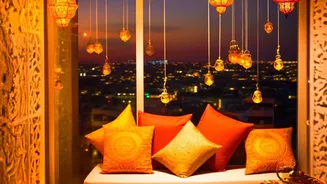
Personalisation also extends to functionality. As urban homes become more compact and lives more dynamic, interior design is adapting to create flexible, multi-purpose spaces. A living room may need to double as a home office, a balcony can be transformed into a cosy reading nook, and kitchens are designed as social hubs. This emphasis on 'functional luxury' means that spaces are not just beautiful but also incredibly practical, designed to support the rhythms of modern Indian life. Ultimately, a personalised home is one that works for the people living in it, seamlessly blending style with everyday convenience.