








The Modern Pace of Eating
From a quick desk lunch in a bustling office to grabbing a bite between errands, eating fast has become a modern default. For many in India and across the globe, life moves quickly, and mealtimes are often compressed. While we pay a lot of attention to the nutritional
content of our food—calories, carbs, proteins—we often overlook a crucial behavioural aspect: the speed at which we consume our meals. It turns out, this habit of 'speed eating' is more than just a quirky trait; it's a factor with significant implications for our health, particularly our body composition. Numerous studies now show that fast eaters are more likely to be overweight and have a higher Body Mass Index (BMI).
The Flaw in Self-Reporting
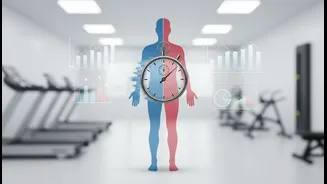
A key challenge in understanding this link is how eating speed is measured. Most large-scale studies rely on self-reported data, where people are simply asked if they are a 'fast', 'medium', or 'slow' eater. This is where the "measurement limits" mentioned in the headline come into play. Research shows that our perception of our own eating speed is often inaccurate. What one person considers 'fast', another might see as 'normal'. Studies comparing self-reported speeds with objective measurements (like timing how long it takes to finish a meal) reveal a significant overlap between the categories, making individual self-assessments unreliable. We might think we are eating slowly, but objective reality could be very different.
Your Brain on a Time Lag
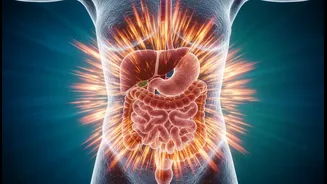
So, why does eating speed matter so much? The answer lies in the complex communication between your gut and your brain. It takes approximately 20 minutes for your brain to receive and process satiety signals—the feeling of being full—from your gut. When you eat too quickly, you can easily consume far more calories than your body needs before your brain gets the memo to stop. Slowing down gives your body's natural appetite-regulating hormones, like ghrelin (the hunger hormone) and leptin (the satiety hormone), the time they need to work properly. Fast eating disrupts this delicate hormonal dance, often leading to overconsumption and, over time, weight gain.
Beyond Weight: The Impact on Body Composition
The issue goes deeper than just the numbers on a scale. The conversation is shifting from just 'weight' to 'body composition'—the ratio of fat to muscle in your body. It's a more accurate indicator of metabolic health. Research, including a recent cross-sectional study in Gujarat, India, has shown that fast eaters tend to have not only a higher BMI but also significantly more visceral fat. Visceral fat is the dangerous fat that wraps around your abdominal organs and is strongly linked to insulin resistance, an increased risk of type 2 diabetes, and metabolic syndrome. Even if your overall weight is in the 'normal' range, a fast eating habit could be contributing to an unhealthy body composition.
How to Actually Slow Down
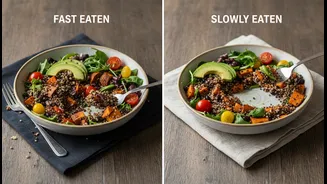
Knowing you should eat slower and actually doing it are two different things. The solution lies in mindful eating practices that force a slower pace. Start by eliminating distractions; turn off the TV, put away your phone, and just focus on your meal. Try to chew each bite more thoroughly, aiming for 20-30 chews if possible. A simple but incredibly effective trick is to put your fork or spoon down between each bite. Sipping water during your meal can also help to slow you down and aid in digestion. Setting a timer for 20 minutes and making your meal last that long can be a great training tool to recalibrate your internal eating clock.