



The Rise of the Moody Honeymoon
Forget the endless stream of grinning selfies and staged romantic poses. A different kind of honeymoon album is quietly taking shape online. Instead of showcasing constant, performative joy, some couples are opting for a more artistic and melancholic
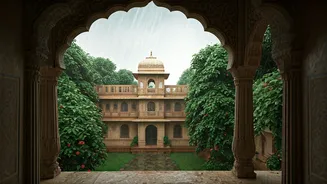
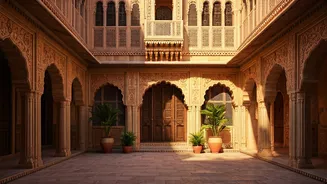
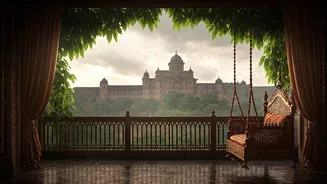
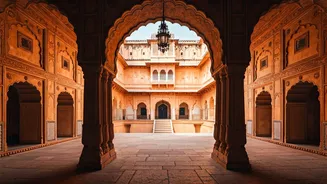
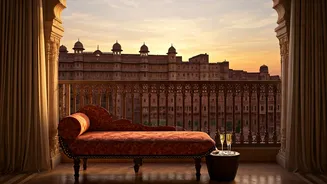
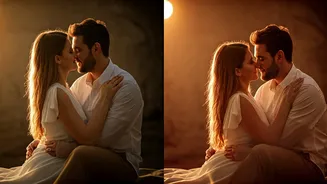
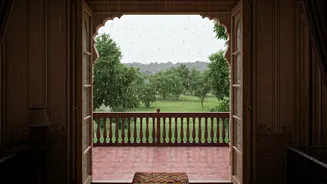
aesthetic. Think less broad smiles and more pensive gazes across a palace courtyard, a solo shot of a bride looking out a jharokha, or a groom walking alone through a bustling market. The photos are beautifully composed, cinematic, and saturated with emotion, but it’s not always happiness. This turn towards a more introspective and moody style subverts the traditional honeymoon narrative, presenting a collage of quiet moments rather than a highlight reel of overt bliss.
Rajasthan: The Perfect Paradoxical Setting
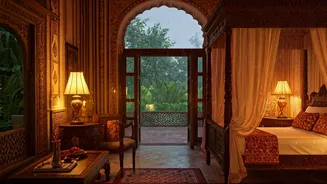
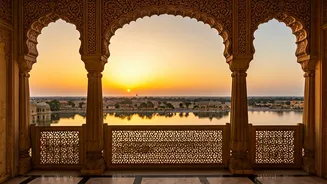
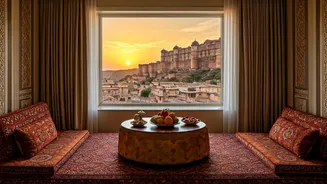
There is perhaps no better place for this aesthetic to unfold than Rajasthan. The state itself is a study in contrasts: the vibrant colours of Jaipur’s markets exist alongside the serene stillness of Udaipur’s lakes; the imposing grandeur of Mehrangarh Fort looms over the intimate, blue-hued lanes of Jodhpur. This inherent drama provides a powerful canvas. When a couple chooses to capture a quiet, somber moment against such a magnificent and traditionally romantic backdrop, the effect is visually arresting. The grandeur of the heritage properties and sweeping desert landscapes makes these understated photos feel less like vacation snaps and more like stills from an art-house film, elevating personal moments into a powerful visual statement.
An Internet Divided
This emerging style has, unsurprisingly, split online opinion. Critics are quick to dismiss it as 'performative sadness.' They argue that manufacturing melancholy for social media is just as inauthentic as faking happiness. Questions arise about the state of the relationship: Are they already unhappy? Is this a cry for help or just a desperate attempt to appear deep and interesting? For many, a honeymoon should be an unapologetically joyful time, and choosing to portray it otherwise feels ungrateful or like a bad omen for the marriage. The debate centers on whether this is a genuine expression or simply the next frontier in crafting an impossibly curated online identity.
A Deeper Form of Authenticity?
On the other side of the debate, supporters champion the trend as a refreshing dose of realism. They see it as a rebellion against the relentless pressure to perform a very specific, commercialized version of happiness. In an age of floating breakfasts and identical Instagram poses, capturing a moment of quiet contemplation can feel more honest. Proponents argue that love and partnership are complex; they contain moments of introspection, vulnerability, and quietude, not just peak joy. By showcasing these emotions, couples are painting a fuller, more authentic picture of their connection. It's not about being sad, they contend, but about being real and valuing the entire spectrum of emotion that comes with a life-changing commitment.
Beyond the Instagram Filter
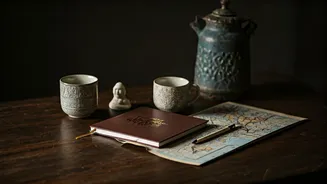
Ultimately, this aesthetic may be less about happiness or sadness and more about storytelling. Modern couples, particularly Gen Z and millennials, are increasingly interested in curating a personal narrative. They want their experiences to feel unique and their online presence to reflect their personality, not just follow a template. This trend could be seen as a form of creative control, where the couple directs their own story, choosing to highlight atmosphere and emotion over conventional milestones. It reflects a shift from simply documenting a trip to creating a visual mood board that expresses their identity as a couple—one that is artistic, complex, and unwilling to be defined by cliché.