








The Tale of Two Extraction Methods
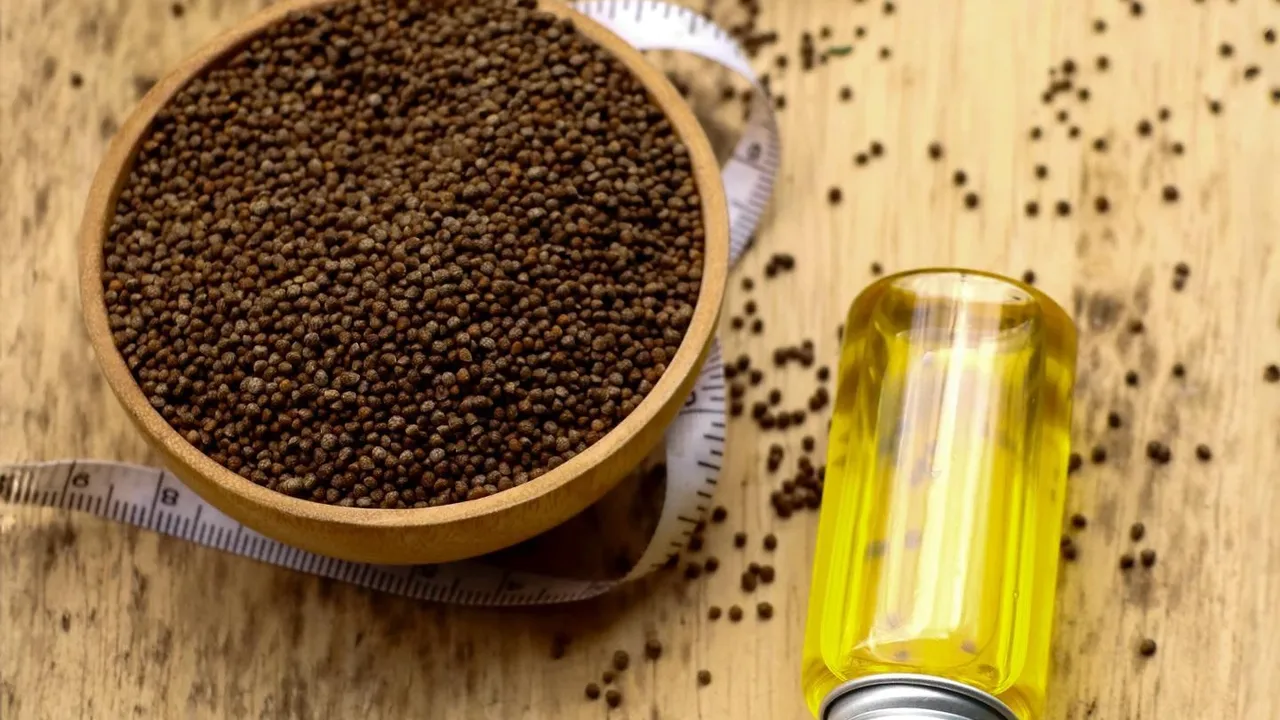
The core difference between cold-pressed and refined oils lies in how they are made. Cold-pressed oils, as the name suggests, are extracted by mechanically crushing seeds, nuts, or fruits at low temperatures without the use of chemicals. This gentle process,
used for centuries in India with traditional `ghanis`, preserves the oil's natural character.Refined oils, on the other hand, undergo a multi-step industrial process. This often involves high heat and chemical solvents like hexane to extract the maximum amount of oil. Following extraction, the oil is typically bleached to remove colour and deodorised to create a neutral taste and aroma. While this results in a stable oil with a long shelf life, it comes at a significant cost to flavour and nutrition.
An Explosion of Authentic Flavour
One of the most immediate benefits of switching to cold-pressed oils is the taste. The refining process strips away the very compounds that give oils their unique personality. Cold-pressed groundnut oil carries a sweet, nutty aroma, while cold-pressed coconut oil has a distinct sweetness perfect for South Indian dishes. Pungent cold-pressed mustard oil is the soul of many Bengali and North Indian preparations. This inherent flavour is not an impurity; it's an essential ingredient. When making a regional stir-fry, like a Tamil `poriyal` with coconut oil or a Bihari `bhoonja` with mustard oil, the oil itself contributes a layer of authenticity that a bland, refined oil simply cannot replicate.
The Unseen Nutritional Advantage
Beyond taste, the nutritional profile of cold-pressed oils is significantly richer. The high heat and chemical treatments used in refining destroy many of the beneficial compounds naturally present in the seeds. Cold-pressed oils retain a higher concentration of antioxidants, vitamins like Vitamin E, and plant-based compounds such as polyphenols and phytosterols. These elements are not just good for overall health; they also contribute to the oil's stability and protective properties. In essence, when you cook with refined oils, you are often just getting empty calories, whereas cold-pressed oils deliver flavour and function.
The Myth of the Smoke Point
A common argument for using refined oils is their higher smoke point—the temperature at which an oil begins to smoke and break down. It's true that refining generally increases an oil's smoke point. However, the idea that cold-pressed oils are unsuitable for stir-frying is a misconception. Many traditional Indian cold-pressed oils have smoke points that are perfectly adequate for the quick, medium-to-high heat of stir-frying. Cold-pressed groundnut oil smokes at around 160-170°C, and sesame oil at around 175°C, while some cold-pressed mustard oils can reach up to 200°C or more. Most home stir-frying happens well within this range. The key is proper heat management and understanding that the vibrant flavours of these oils are best preserved without pushing them to extreme temperatures.
Making the Switch in Your Kitchen
Integrating cold-pressed oils into your daily cooking is simple. Start by matching the oil to the region and the dish. For a South Indian vegetable `thoran`, use cold-pressed coconut oil to complement the fresh coconut in the recipe. For a simple stir-fry of potatoes or greens in the North Indian style, the sharp, pungent notes of cold-pressed mustard oil are ideal. For tempering dals (`tadka`) or making stir-fries common in central and western India, cold-pressed groundnut or sesame oil provides a delicious, nutty base. By rotating a few of these traditional oils, you not only enhance the flavour of your food but also receive a wider range of fatty acids and nutrients.