
More Than Just Nostalgia
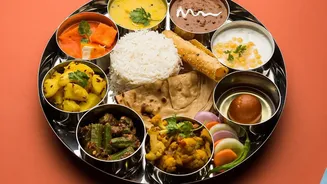
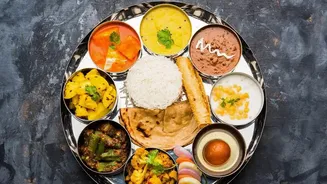
Across India, a quiet but powerful movement is taking root. It’s a collective turning back towards the food of our grandparents, not just for the comfort of nostalgia, but for its inherent wisdom. This isn’t about simply recreating old recipes; it's a deeper
re-evaluation of ancient food practices that are now being validated by modern science. From the diverse food cultures in every state to the specific ingredients used, there is a growing recognition that these traditions are a treasure trove of nutritional and ecological intelligence. This renewed interest is transforming how we view our own culinary heritage, shifting the perspective from 'old-fashioned' to 'timeless' and 'scientifically sound'.
The Modern Drivers of an Ancient Diet
So, why this sudden surge in interest? Several factors are converging. A growing global consciousness around health and wellness has led many to seek out natural, nutrient-dense foods. There's an increasing curiosity about plant-based and sustainable diets, areas where traditional Indian cuisine has excelled for centuries. Furthermore, as our world becomes more globalised, there is a parallel desire to connect with and preserve our unique cultural identities. Chefs, food historians, and home cooks are documenting and reviving hyperlocal dishes, seeing themselves as custodians of a rich legacy that was at risk of being forgotten. This movement is a powerful statement that our culinary past holds solutions for a healthier, more sustainable future.
The Mighty Millet's Comeback
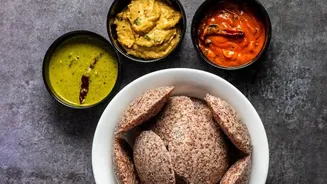
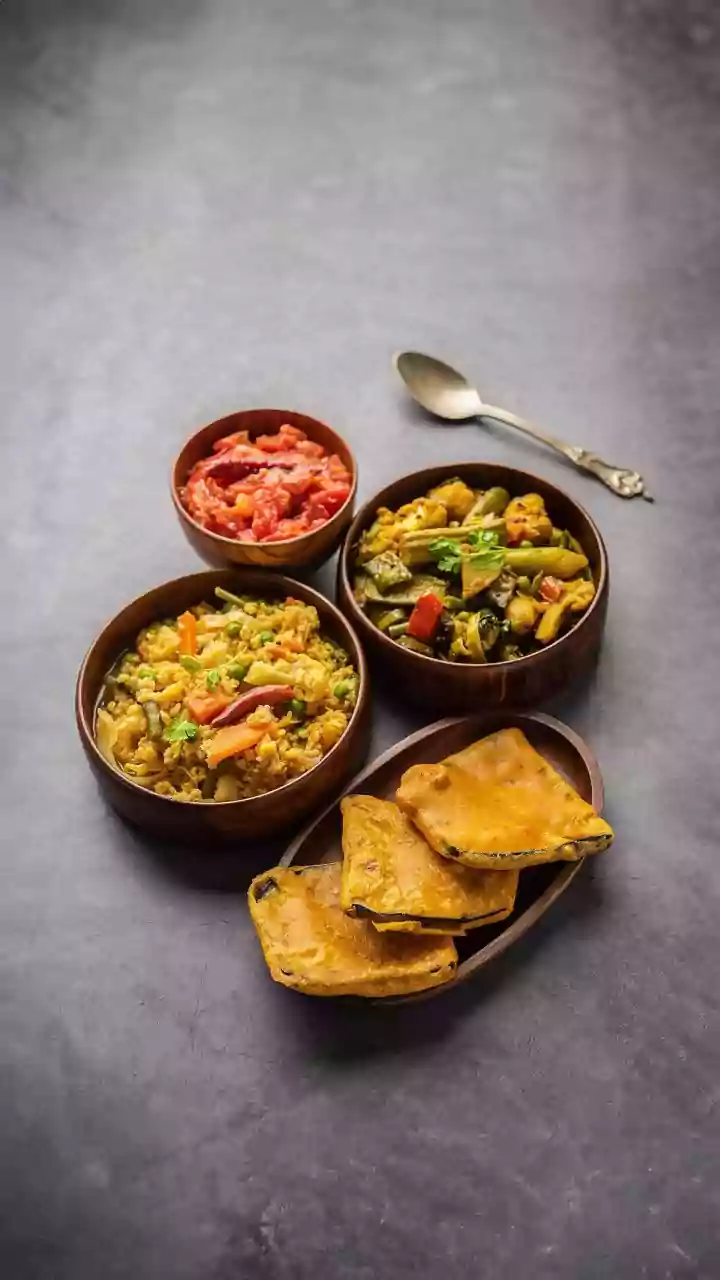
Perhaps no ingredient better represents this trend than the millet. Once a staple across many parts of India, grains like jowar, bajra, and ragi were sidelined by wheat and rice. Now, they are making a triumphant return. Championed by government initiatives like the National Food Security Mission and recognised globally with the International Year of Millets, these grains are being celebrated for their incredible resilience and nutritional superiority. Millets are drought-resistant, making them a climate-smart crop for farmers, and they are packed with fibre, protein, and essential minerals. Chefs are creatively incorporating them into everything from modern salads to traditional breads, proving that these ancient grains are perfectly suited for the modern palate.
Fermentation's Quiet Power
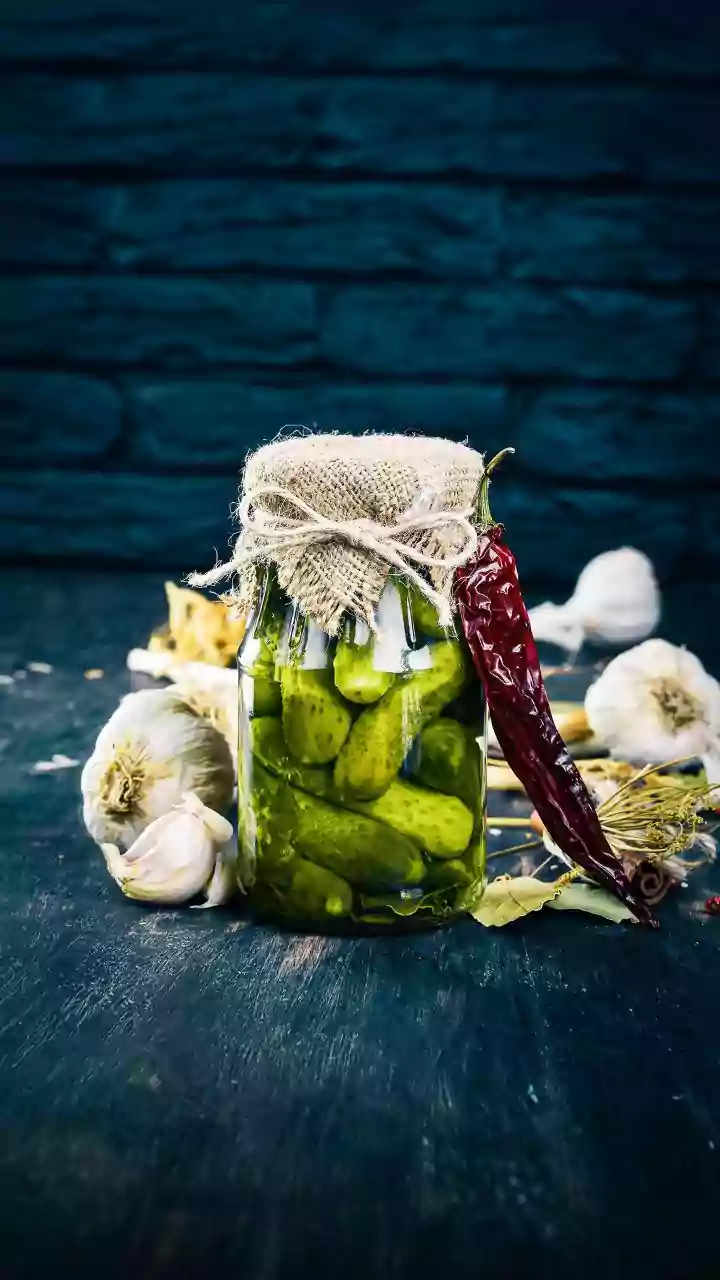
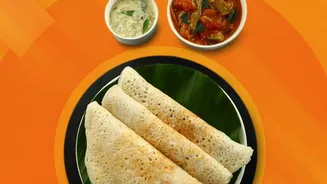
Another area receiving fresh scientific appreciation is India's rich tradition of fermented foods. Beyond the well-known idli, dosa, and dahi, a vast world of fermented products exists, each with unique health benefits. Scientists are now using advanced techniques to understand the complex microbial communities in these foods. Research shows that the fermentation process not only preserves food but dramatically enhances its nutritional profile, increasing the bioavailability of vitamins and minerals. These foods are powerhouses of probiotics, which are essential for gut health—the foundation of overall immunity and well-being. The process transforms simple ingredients into superfoods, a testament to the intuitive science practiced in Indian kitchens for millennia.
Chefs as Cultural Custodians
This revival is being passionately led by a new generation of Indian chefs. Moving beyond the standard restaurant fare that long defined Indian food globally, these culinary leaders are digging deep into the nation's micro-cuisines. They are travelling to remote villages, learning from home cooks, and unearthing lost recipes to showcase the true diversity of India's food landscape. Chefs like Vikas Khanna, Manish Mehrotra, and Niyati Rao are bringing hyperlocal delicacies and forgotten ingredients to fine-dining tables, telling the stories behind the food. They are not just cooking; they are acting as historians and advocates, ensuring that India’s vast culinary heritage is not just preserved, but celebrated and carried forward.