




The 2026 Comeback Accessory
If you've noticed a new hero accessory taking over your social media feeds and street style galleries, you're not alone. The humble bandana is officially back for 2026. Seen at Copenhagen Fashion Week and styled by stars like Priyanka Chopra Jonas, the
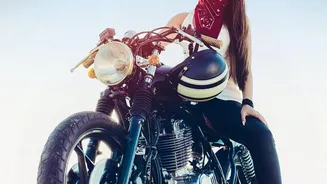
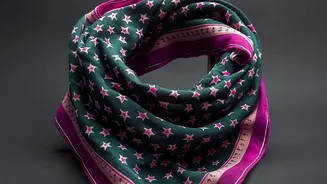
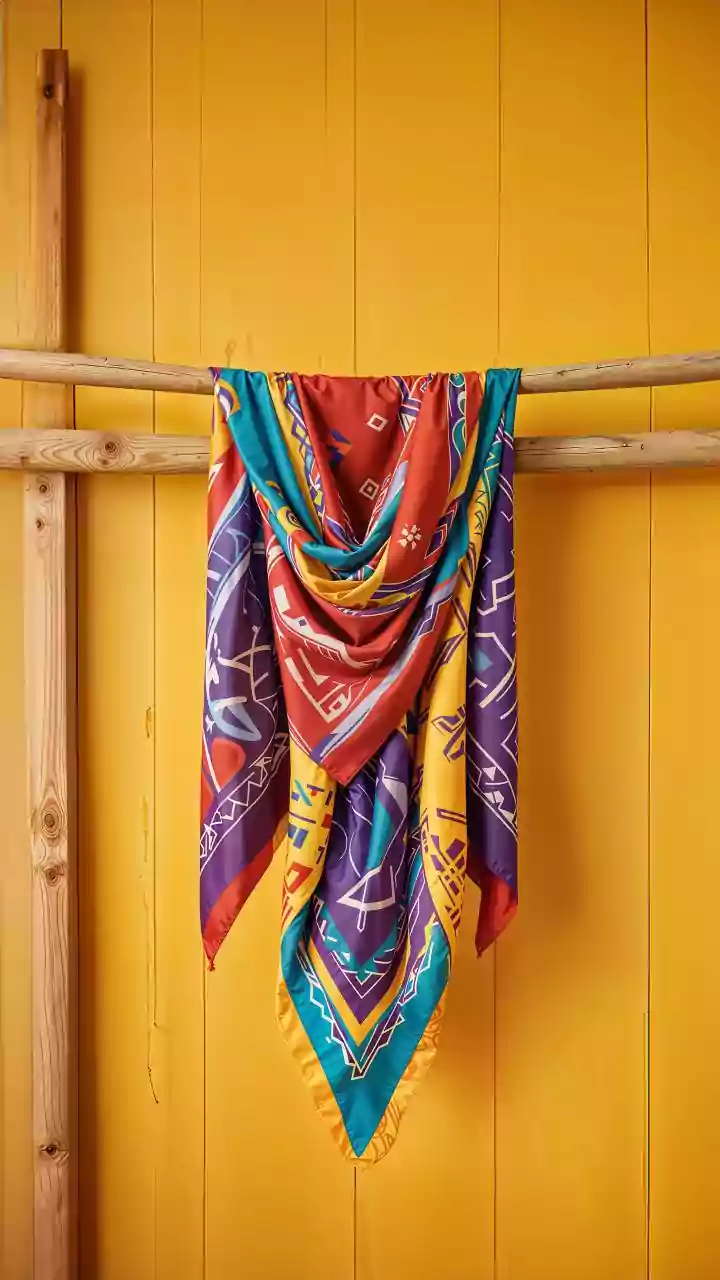
square of printed fabric is proving its versatility. But this revival isn't about replicating past looks. Instead of the rugged, rock-and-roll headbands of previous decades, the modern take is more refined. Think luxurious silk versions tied neatly around the neck, elegant hair wraps, or a colourful accent on a designer handbag. Major brands are championing the trend, while resale platforms report a huge surge in searches, confirming that this is more than a celebrity whim—it's a widespread style shift.
From 'Bandh' to Bandana
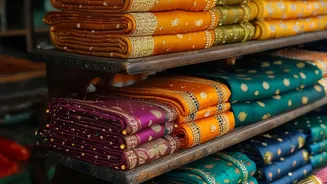
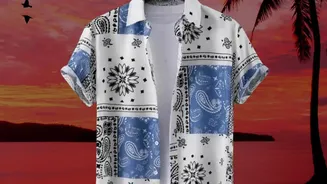
To understand the bandana, you have to look past its familiar paisley print and journey back in time. The word itself comes to us from Hindi, derived from the Sanskrit word 'bandh', which means 'to tie'. This points directly to its origins in India, specifically the traditional tie-dye art of 'Bandhani' from Gujarat and Rajasthan, a painstaking process that dates back thousands of years. Artisans would tie thousands of tiny knots on a piece of cloth before dyeing it, creating intricate dot patterns. These vibrant textiles were eventually brought to Europe by traders in the 18th century. The iconic paisley pattern has its own rich history, originating from the Persian 'boteh' motif, a teardrop shape symbolising life and eternity. It was mass-produced in Paisley, Scotland, which gave the pattern its Western name, forever linking it to the accessory we know today.
A Symbol Through Time
Over the centuries, the bandana has been a symbol for wildly different groups, proving its unique ability to absorb and reflect cultural meaning. In 19th-century America, it was a utilitarian tool for cowboys and miners, used as a dust mask and sweatband. In the 20th century, it became a political symbol, with red bandanas used by labour unions to signify solidarity. The accessory took on new layers of meaning in later decades. It was a key part of the 'hanky code' in LGBTQ+ communities in the 1970s, used to communicate desire and identity. In the 80s and 90s, it became associated with hip-hop culture and, in some cases, gang affiliation. This complex history gives the simple cloth a weight and resonance that few accessories can claim.
The Modern Way to Style It
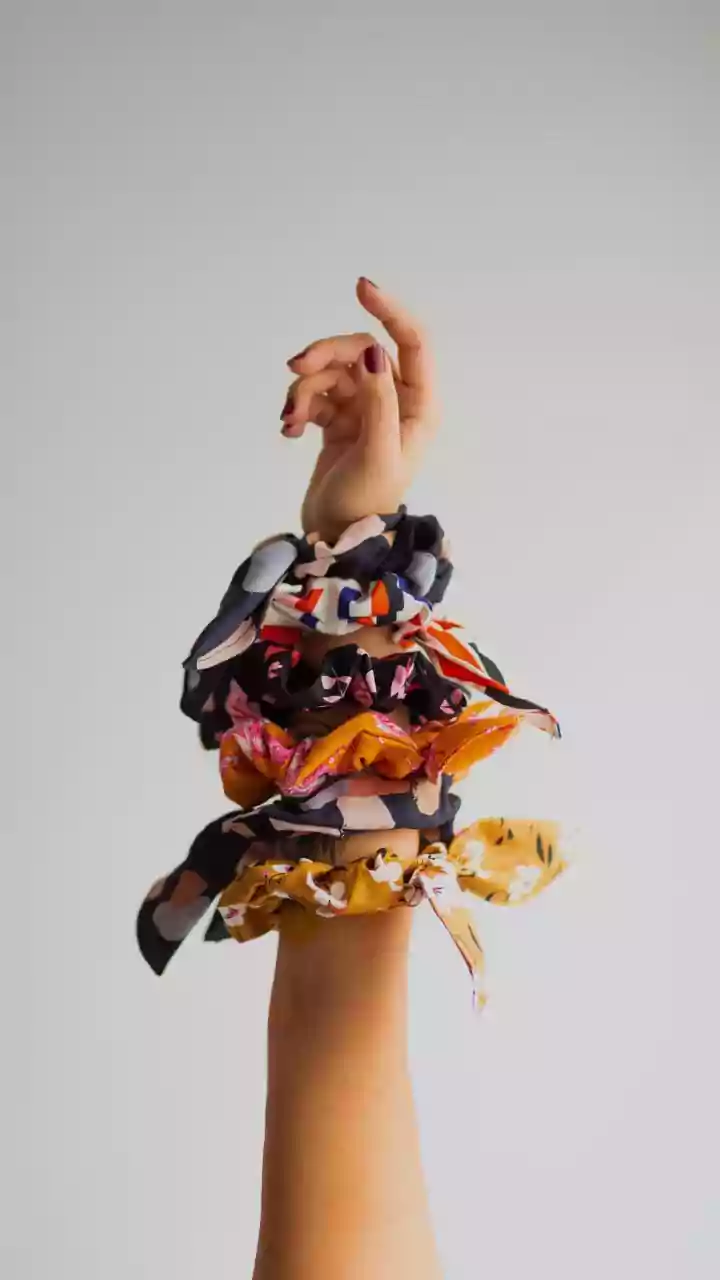
So, how do you wear a bandana in 2026 without looking like you're in costume? The key is subtlety and polish. The new mood is less about overt rebellion and more about 'quiet luxury'. One of the most popular modern stylings is the neckerchief, where a silk bandana is folded and tied neatly around the neck, paired with a simple t-shirt or a sharp blazer. Another chic option is using it as a hair accessory—not as a wide headband, but woven into a braid or tied around a sleek ponytail. For a minimal-effort, high-impact look, tie a colourful bandana to the handle of a neutral leather handbag. Some adventurous fashion lovers are even styling large silk bandanas as crop tops for a holiday look, but for everyday wear, the focus is on small, considered touches.