

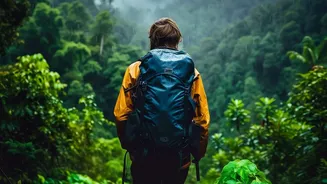

Monitor Official Weather and Disaster Alerts
A standard weather app is not enough. During the monsoon, mountain weather is volatile, with conditions changing in minutes. Travellers should regularly consult bulletins from the India Meteorological Department (IMD), which issues district-specific warnings
for heavy rainfall, thunderstorms, and landslides. States like Himachal Pradesh and Uttarakhand have their own disaster management authority portals that provide real-time updates on risks. Following these official sources is crucial, as they offer specific advisories that can mean the difference between a safe trip and a hazardous one. Ignoring a 'yellow' or 'red' alert can lead to getting stranded or worse.
Verify Road Conditions and Route Stability
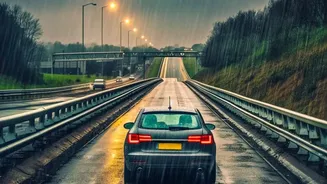
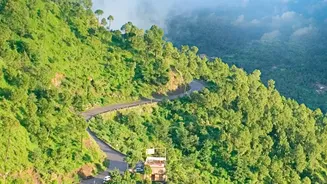
Landslides and flash floods are the biggest threats during a rainy-season mountain trip. National highways and smaller rural roads can get washed away or blocked by debris with little warning. Recent reports from August 2026 show major routes in both Himachal Pradesh and Uttarakhand have faced closures, leaving travellers stranded. Before booking and right before leaving, check the live status of your intended route. Contact local police, district administration social media pages, or regional helpline numbers for information on blockages. Avoid night driving entirely, as visibility is poor and the risk of encountering a fresh landslide is higher.
Pack for Wet, Humid, and Cold Conditions
Your packing list needs to be monsoon-specific. Cotton clothes are a mistake as they absorb moisture and take a long time to dry. Instead, opt for lightweight, quick-drying synthetic fabrics. Essential items include a reliable waterproof jacket or poncho, sturdy waterproof trekking shoes with excellent grip, and a rain cover for your backpack. It's also wise to carry extra pairs of socks to avoid fungal infections from constantly wet feet. Keep electronics, documents, and a spare set of dry clothes protected in separate waterproof dry bags or zip-lock pouches. A headlamp is crucial for navigating in poor visibility or if you are delayed past sunset.
Prioritise Health and Hygiene
The monsoon season sees a spike in water-borne and vector-borne diseases. Avoid drinking tap water or water from natural sources without purifying it first; carry chlorine tablets or a portable water filter, or stick to boiled or packaged water. Be wary of street food, which is more susceptible to contamination in the humid weather. Mosquitoes are also a major concern, so a strong insect repellent is a must-have to protect against diseases like dengue and malaria. Your first-aid kit should be well-stocked with basics for cuts, blisters, pain relief, and any personal medications, as well as treatments for common monsoon ailments like diarrhoea.
Plan a Flexible Itinerary
A rigid, packed schedule is a recipe for disaster during a monsoon mountain trip. Roadblocks, relentless rain, or unsafe trail conditions can force you to alter your plans at a moment's notice. Build buffer days into your itinerary to account for potential delays. Be mentally prepared to skip a particular viewpoint or activity if conditions are unsafe. The goal is to enjoy the journey safely, not to tick every box on a list at any cost. A flexible plan allows you to adapt, wait out a downpour in a safe place, and make the most of your trip without taking unnecessary risks.
Check for Communication and Power Issues
Heavy rains frequently cause disruptions to power supply and mobile networks in mountain regions. Do not assume you will have constant connectivity. Before you leave, download offline maps of the areas you plan to visit. Inform your family or friends of your detailed itinerary and establish check-in times. Carry a fully charged power bank, as finding a working socket might be difficult. Having a plan for communication blackouts ensures you can navigate and that someone knows your whereabouts if you become uncontactable.