





The Engine of 10-Minute Delivery
Quick commerce, the model promising delivery of groceries and essentials in 10 to 30 minutes, has taken urban India by storm. At the heart of this high-speed operation isn't faster driving, but proximity. This is made possible by 'dark stores'—small,
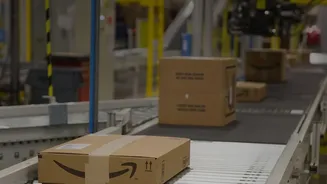
hyperlocal warehouses that are closed to the public and function purely as fulfilment centres for online orders. Companies like Blinkit, Zepto, Swiggy Instamart, and others operate hundreds of these facilities across major cities. Inside, workers known as 'pickers' receive an order on a handheld device, collect the items from shelves optimised for speed, and hand the packed bag to a waiting delivery rider, often in just a few minutes.
Why Bengaluru is a Prime Market
Bengaluru has emerged as India's dark store capital, with more of these facilities than any other city. Recent data from July 2026 shows the city hosts 629 dark stores, representing over 11% of the national total. This concentration isn't accidental. Bengaluru's infamous traffic makes a quick trip to the store a time-consuming task, making instant delivery highly attractive. Furthermore, the city's high density of apartment complexes, tech-savvy population of young professionals with disposable income, and its role as a technology hub make it the perfect breeding ground and testing lab for quick commerce innovation. Most platforms test new features in Bengaluru before a national rollout.
Inside a Neighbourhood Warehouse
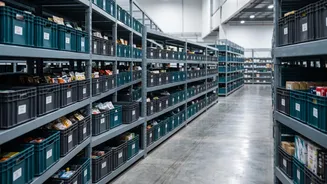
A typical dark store is a 2,000 to 4,000 square foot space, strategically located within a 2-3 kilometre radius of a dense residential population. Unlike a massive warehouse on the city outskirts, these are tucked away in neighbourhood bylanes and older commercial properties. They stock a limited inventory of 1,800 to 3,000 of the most frequently ordered items, from milk and bread to snacks and personal care products. The layout is meticulously planned not for customer browsing but for picking efficiency. High-demand products are placed near the dispatch area to minimise the time it takes for a picker to assemble an order. This hyper-localised and optimised model is the key to fulfilling the 10-minute promise.
Reshaping the Urban Landscape
The rapid expansion of dark stores is having a tangible impact on Bengaluru's real estate. Property owners of previously underutilised ground-floor spaces and small godowns are now finding lucrative tenants in quick commerce companies, who are often willing to pay 20-30% above market rent for a strategic location. This has driven up rental values for such properties and revitalised otherwise dormant commercial spaces. However, the model is not without its challenges. The constant buzz of delivery riders has led to resident complaints about traffic and noise in some areas. For the companies themselves, high operational costs, intense competition, and the constant need to manage inventory across hundreds of locations make profitability a significant challenge.
The Human Element and Future Outlook
This logistics network runs on people. Bengaluru's 629 dark stores create an estimated 6,300 to 12,600 jobs for pickers, packers, and managers, with thousands more needed annually due to high attrition rates. This has become a significant source of employment in the city. The future of quick commerce will likely see further expansion into less-served areas like North and West Bangalore, following the trail of new apartment developments. As the market matures, companies are also exploring partnerships with local kirana stores to leverage existing inventory and expand their reach without heavy capital investment. The race for speed has fundamentally changed consumer expectations, and the dark store model is the infrastructure making it all possible.