







Understanding the Cause: Moisture and Mildew
That distinct 'monsoon smell' is primarily caused by the growth of mould and mildew. These fungi thrive in damp, warm, and poorly ventilated environments. During the Indian monsoon, humidity levels can skyrocket, causing moisture to be absorbed by walls,
furniture, and fabrics. When this moisture lingers, especially in enclosed spaces like cupboards or rooms with closed windows, it creates the ideal conditions for mould spores to multiply, releasing gases that produce the musty odour. The key to controlling the smell is controlling the humidity.
Ventilation is Your First Line of Defence
The simplest and most effective strategy is to improve airflow throughout your home. While it's tempting to keep windows shut to prevent rain from coming in, it's crucial to air out your home whenever there's a break in the downpour. Open windows and doors on opposite sides of the house to create cross-ventilation, which helps push out humid, stale air and bring in fresh air. Using ceiling or pedestal fans, even in an empty room, can also help circulate air and prevent moisture from settling on surfaces. Good ventilation is the foundation of a fresh-smelling home during the rains.
Winning the Wardrobe War
Wardrobes are a common victim of monsoon dampness. To protect your clothes, ensure they are completely dry before storing them; even a slightly damp garment can create a musty environment. Avoid over-packing shelves and leave small gaps between clothes to allow air to circulate. Placing moisture absorbers like silica gel sachets in the corners of your cupboards is a highly effective and cheap solution. Traditional Indian remedies like placing camphor balls or neem leaves in small cloth bags can also work wonders, acting as natural dehumidifiers and insect repellents. For a persistent issue, wiping the wardrobe's interior with a diluted white vinegar solution can kill existing mould spores.
Keeping Laundry Fresh and Dry
Drying clothes during the monsoon is a significant challenge. If you must dry laundry indoors, hang items with ample space between them on a drying rack, preferably in a well-ventilated room with a fan running. Adding half a cup of white vinegar or baking soda to the rinse cycle can help kill bacteria and deodorise clothes naturally. However, do not use both together as they neutralize each other. Ironing clothes before storing them can also help remove any final traces of moisture. Try not to let wet or sweaty clothes pile up in the laundry basket, as this quickly becomes a breeding ground for mildew.
Natural and DIY Solutions for Your Home
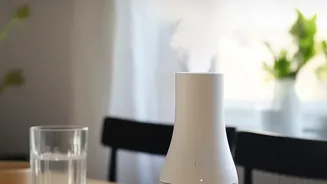
Several common household items can be used to combat musty smells. Placing bowls of activated charcoal in damp corners can effectively absorb both moisture and odours. Freshly ground coffee left in an open container in a closet or room can also absorb and mask unpleasant smells. For a natural air freshener, use essential oils like lemongrass, lavender, or eucalyptus in a diffuser. Camphor is another powerful, traditional option; placing a few tablets in a decorative bowl can act as a low-maintenance dehumidifier for smaller spaces like bathrooms. For drains, a combination of vinegar and baking soda can help clear any odours.
Managing Furniture and Upholstery
Wooden furniture and upholstered items like sofas and chairs can also fall prey to dampness. It's a good practice to wipe down wooden furniture with a dry cloth regularly during this season. If possible, move furniture a few inches away from walls, especially external walls, to improve air circulation and prevent moisture from getting trapped. It's also wise to store away heavy carpets and rugs for the season, as they tend to trap moisture and dirt, contributing to the overall musty feeling in the house. When the sun does make a rare appearance, use the opportunity to air out cushions and other soft furnishings.