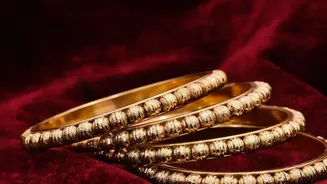








The Case for a Gold Loan
A gold loan is a secured loan where you pledge your gold ornaments or coins as collateral. The primary advantage is that you retain ownership of your asset. Once you repay the loan amount plus interest, you get your gold back. This makes it an ideal choice
for temporary financial crunches, especially if the gold holds sentimental value, like a family heirloom. Gold loans often have lower interest rates compared to unsecured personal loans, with rates in India typically ranging from around 8% to over 20% per annum, depending on the lender. The process is usually quick, with minimal paperwork, and you can get a loan for up to 75% of your gold's appraised value. Importantly, taking a loan is not a sale, so it does not trigger any capital gains tax.
The Reality of Selling Your Gold
Selling your gold is a permanent decision. It provides an immediate, debt-free lump sum of cash. This can be the better option if you need a large amount of money and are not confident in your ability to make regular repayments. However, the process isn't as simple as getting the market price for your gold. When selling jewellery, jewellers will deduct making charges (which can be 5-25% of the gold's value), wastage charges, and GST paid at the time of purchase, none of which are recoverable. You will only be paid for the net weight and purity of the gold. This means the cash you receive will be significantly less than the original purchase price, even if gold rates have risen. Additionally, selling gold can attract capital gains tax on the profit you make.
Scenario 1: You Need Funds for a Short-Term Goal
If you need money for a predictable, short-term expense—like a child's school fees, a minor home repair, or a temporary business cash flow gap—a gold loan is almost always the smarter choice. Since you have a clear path to repayment, you can access the funds you need without permanently losing a valuable asset. The interest paid on the loan is often a small price to pay for retaining an asset that may appreciate in value and holds emotional significance. Defaulting on the loan is the main risk, as the lender can auction your gold, but with a solid repayment plan, this can be avoided.
Scenario 2: The Gold Has Sentimental Value
In India, gold is deeply intertwined with emotion, tradition, and family legacy. Jewellery is often passed down through generations, making its sentimental worth far greater than its market value. If the gold in question is a family heirloom or a cherished gift, taking a loan is the only way to get liquidity while ensuring you don't lose the item forever. Selling such an item means the permanent loss of that connection and history, a decision that can lead to regret later on. A loan allows you to navigate a financial emergency while preserving your family's heritage.
Scenario 3: You Need a Large, Permanent Sum of Cash
Selling becomes a more logical option when your financial need is large and permanent, and your ability to repay a loan is uncertain. This could be for a major life event like a wedding, a down payment for a house, or clearing high-interest debt like credit card bills. If the required amount is more than what a gold loan can offer (typically 75% of the value), or if taking on another EMI is not feasible, selling provides a clean break. It turns an idle asset into a significant, one-time cash infusion without the stress of future repayment obligations.
Scenario 4: The Gold Is Broken, Outdated, or Unworn
Many households have accumulated gold over the years that is broken, out of style, or simply sits unworn in a locker. These items often lack sentimental value and primarily serve as a dormant investment. In this case, selling makes practical sense. Instead of paying locker fees to store something you don't use, you can liquidate it to fund other goals. This is an excellent opportunity to convert an unproductive asset into active capital for more productive investments or to meet immediate financial goals without the burden of a loan.