



Just because November is here doesn't mean your gardening season is over. Even with limited space, a balcony can become a productive patch for fresh, homegrown food. Here are some of the best compact root vegetables to plant in containers right now.
First Things First: Container Prep
Before
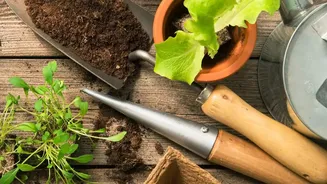
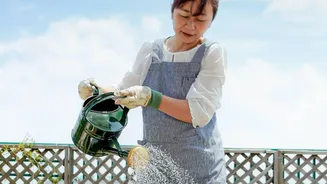
you start planting, the right setup is crucial for success. Root vegetables need room to grow downwards, so container depth is non-negotiable. For most compact varieties, a pot that is at least 8 to 12 inches deep will work. Ensure every container has excellent drainage holes to prevent waterlogging, which can cause roots to rot. The ideal soil is light, loose, and free of stones or large clumps. A high-quality potting mix, perhaps amended with a bit of sand or perlite to improve drainage, will give your vegetables the best chance to grow straight and healthy. Remember that container soil can dry out faster than garden beds, so be prepared to check the moisture level regularly, even in cooler weather.
Quick and Crisp: Radishes
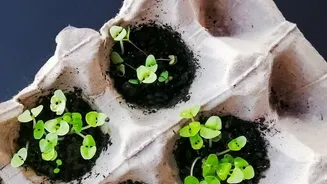
If you're looking for a quick and satisfying win, radishes are your go-to choice. Many varieties mature in as little as three to five weeks, making them one of the fastest vegetables from seed to harvest. Their small size is perfect for container gardening, and you can grow a surprising number in a relatively small pot. For round varieties, a container that's at least six to eight inches deep is sufficient. Sow seeds about half an inch deep and be careful not to overcrowd them, as they need space to form proper roots. Radishes are a cool-season crop, so they thrive in the milder temperatures of late autumn. Keep the soil consistently moist to prevent the roots from cracking.
Sweet and Short: Carrots
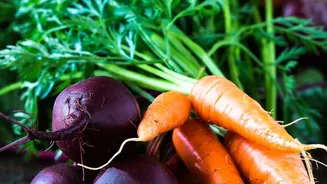
While long carrot varieties need deep garden beds, many shorter types are perfectly suited for pots. Look for 'Paris Market' (a small, round variety), 'Chantenay', or 'Amsterdam' types, which are bred for compact growth. A container that is at least 10 to 12 inches deep will provide enough space for these smaller carrots to develop properly. Always sow carrot seeds directly into their final pot, as they do not tolerate being transplanted. Sprinkle the tiny seeds thinly over the soil surface and cover with a fine layer of compost. Keep the soil moist during germination, which can sometimes take a few weeks. As they grow, thin the seedlings to about two inches apart to give the roots room to expand.
Earthy and Versatile: Beetroot
Beetroot is an excellent choice for container gardening because you get two harvests from one plant: the earthy root and the nutritious leaves, which can be enjoyed in salads. Most beet varieties grow well in pots that are at least 8 to 12 inches deep. They perform best when harvested at a modest 'golf ball' size, which is ideal for container growing. Sow seeds directly and, like carrots, thin the seedlings once they are a few inches tall to ensure the remaining plants have space to form healthy roots. Beetroot is a cool-weather crop and can be planted in late autumn for a winter harvest. Consistent watering is important for steady growth.
Hardy and Essential: Garlic
While not a traditional root vegetable, garlic is planted in the autumn and develops its bulb underground, making it a perfect candidate for winter container gardening. Growing your own offers a flavour far superior to storebought options. Planting garlic is incredibly simple: just separate a bulb into individual cloves and plant them about two inches deep in a pot that’s at least six to eight inches deep. Each clove will grow into a full bulb. You can plant them fairly close together. Throughout the winter and spring, you can snip off some of the green shoots to use like chives, but leave most of the foliage to help the bulb develop for a summer harvest.