



The Monsoon Gardening Challenge
Gardening during the Indian monsoon presents a unique set of challenges compared to other seasons. The primary issues are reduced sunlight due to cloudy skies, and the risk of overwatering from heavy rains. Potted plants on a balcony are especially vulnerable
to waterlogging, which can lead to root rot, one of the most common plant problems during this time. High humidity also creates a welcoming environment for pests and fungal diseases. The key to a thriving monsoon garden is choosing plants that can tolerate these conditions and implementing care practices that focus on excellent drainage and aeration.
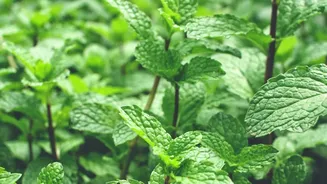
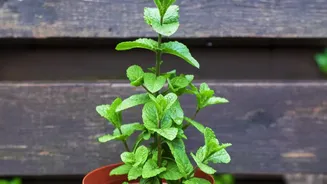
Mint (Pudina): The Unbeatable Hero
Mint is arguably the easiest herb to grow on a balcony and it truly thrives in the monsoon. It prefers consistently moist soil and doesn't require intense sunlight, making it perfect for a shaded spot that gets a few hours of gentle morning sun. Its aggressive spreading nature is a benefit when you want a lush supply, but it's best to grow it in its own pot to prevent it from taking over. The high humidity encourages fast growth, and regular harvesting for your tea or chutney will promote a bushier, healthier plant. Just ensure the pot has excellent drainage to prevent the roots from sitting in stagnant water.
Coriander (Dhania): A Staple Made Simple
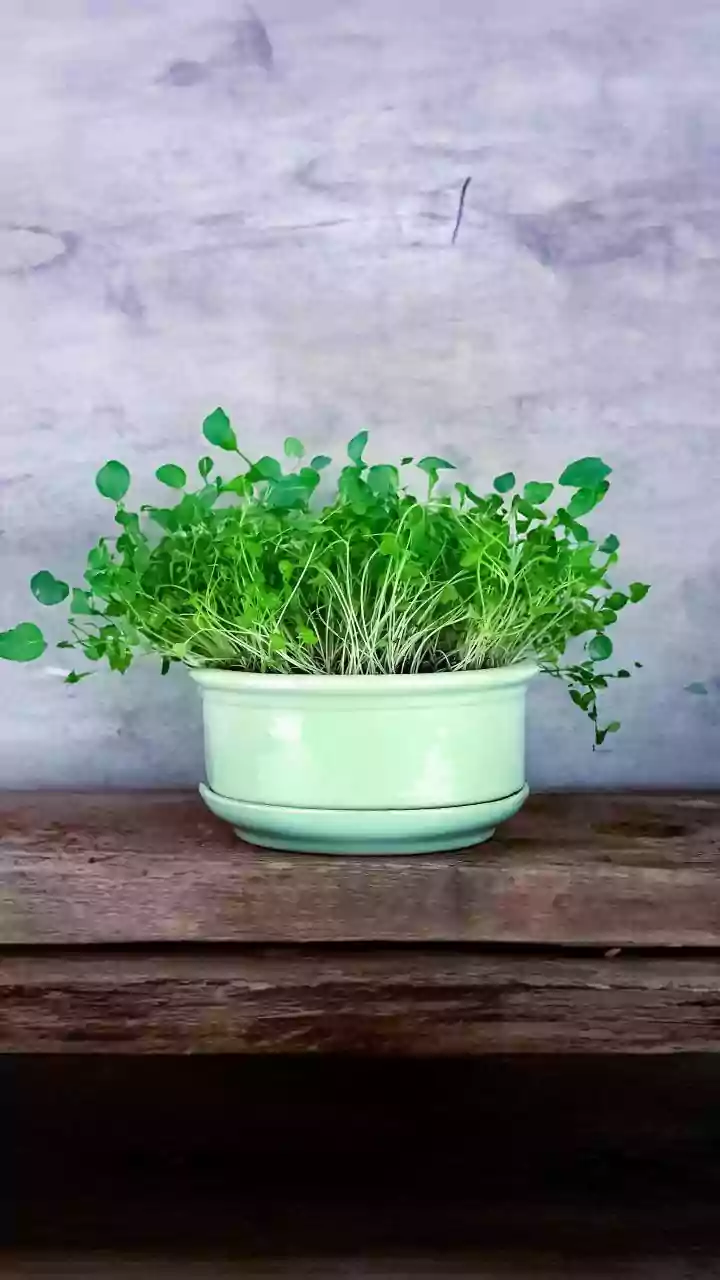
Fresh coriander is a kitchen essential, but it can be tricky to grow. The good news is that the monsoon provides ideal conditions, with ample moisture and gentler sunlight that prevent the plant from flowering too early, a common issue in intense heat. It grows best in a spot with partial sunlight. Coriander has shallow roots and dislikes soggy soil, so a well-draining potting mix is crucial. For a continuous supply throughout the season, sow new seeds every two to three weeks. A shallow, wide pot works well. Lightly crush the whole seeds before soaking them overnight to speed up germination.
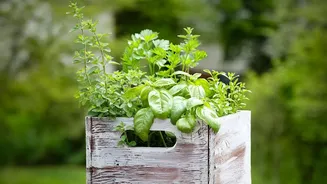
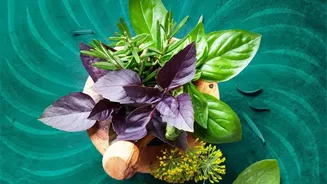
Holy Basil (Tulsi): The Sacred Survivor
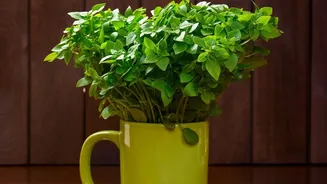
A fixture in many Indian homes, Tulsi is a resilient herb that grows vigorously in the warm, humid weather of the monsoon. While it appreciates the moisture, it is also susceptible to root rot if left in waterlogged soil. Therefore, excellent drainage is non-negotiable. It's best to use a well-draining soil mix, perhaps with some sand or cocopeat, and water only when the top layer of soil feels dry to the touch. Tulsi needs about four to six hours of sun, so place it in the brightest part of your balcony. Regularly pinching off the flowering heads will encourage more leaf production.
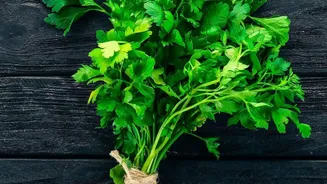
Parsley: The Overlooked Green
Often overlooked, parsley is a fantastic herb for low-light conditions. Like coriander, it's a soft, leafy herb that can produce well without needing hours of direct, hot sun. It thrives in the cooler temperatures and indirect light typical of monsoon days. This makes it an ideal candidate for balconies that might be too shady for other plants. Ensure it's planted in a pot with good drainage and rich soil. It appreciates consistent moisture but, like all monsoon herbs, should not be left sitting in water. Regular harvesting will keep the plant productive.
Essential Monsoon Care Guide
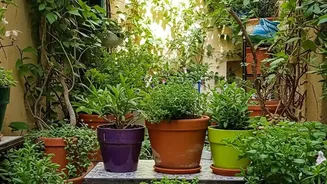
Success with a rainy season balcony garden comes down to a few key practices. First, ensure superior drainage. Use pots with multiple drainage holes and consider using terracotta pots, which help wick away excess moisture. Elevating pots on stands can also prevent water from pooling at the base. Use a light, well-aerated soil mix; adding sand or cocopeat can significantly improve drainage. Be cautious with watering; even with daily rain, check the soil moisture with your finger before adding more water. Finally, keep an eye out for pests and fungal growth, which are more common in damp conditions, and ensure good air circulation around your plants.