



Day 1: Arrival in Jaipur and a Splash of Blue Pottery
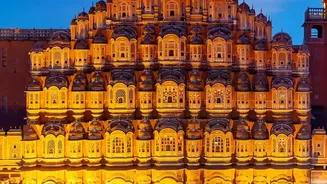
Arrive in Jaipur, the Pink City, and settle into your accommodation. Your journey into craft begins right here in the state's capital, which is the heartland of Rajasthan's famed Blue Pottery. This Turko-Persian art form is unique as it doesn't use clay;
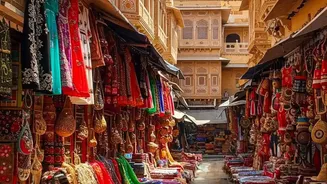
instead, it's a mix of quartz stone powder, powdered glass, and other materials. Several workshops in and around the city, like those run by master artisans, offer visitors a chance to see the entire process, from moulding the dough to hand-painting the delicate floral motifs. Many studios even host hands-on sessions where you can try painting your own tile or small bowl. Spend your afternoon learning about this elegant craft, which almost vanished in the mid-20th century before its revival. In the evening, get a feel for the city's commercial craft hub with a stroll through Johari Bazaar or Bapu Bazaar.
Day 2: The Fine Florals of Sanganer
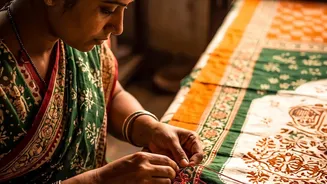
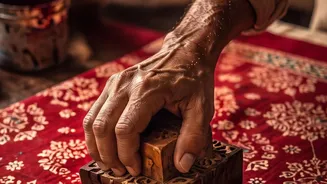
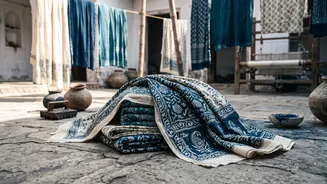
Today, take a short trip to Sanganer, a town on the outskirts of Jaipur renowned for its 500-year-old tradition of hand-block printing. Located just about 15 kilometres from the city centre, Sanganer is a bustling hub of textile artisans. The Sanganeri print is distinguished by its use of fine lines, intricate floral patterns (known as 'butas' and 'butis'), and its predominant printing on a white or off-white background. Spend the day visiting workshops where you can see artisans meticulously carve wooden blocks and then rhythmically stamp them onto vast lengths of fabric. The air is often filled with the scent of natural dyes, and courtyards are covered in freshly printed textiles laid out to dry in the sun. Many studios encourage visitors to try printing their own scarf or tote bag, offering a deeper appreciation for the skill involved. It's the perfect place to buy authentic textiles directly from the source.
Day 3: Bagru's Earthy Dabu Prints
Venture about 30-35 kilometres southwest of Jaipur to the village of Bagru, another significant centre for block printing but with a distinct identity. Bagru is famous for its use of natural dyes and a special mud-resist printing technique called 'Dabu'. The process is fascinating to witness: a paste of clay, gum, and millet chaff is printed onto the fabric, which is then dried and dipped into a dye vat, often a deep indigo. The mud paste resists the dye, creating a unique, earthy pattern underneath. The colour palette here is typically more rustic than in Sanganer, featuring deep reds, blacks, and blues. Home to the Chhipa community of printers for over 400 years, visiting Bagru feels like stepping into a living museum where every lane showcases part of the printing process. The contrast between Sanganer's delicate prints and Bagru's bold, rustic designs provides a rich understanding of the diversity within a single craft.
Day 4: The Strings of Kathputli Nagar and City Crafts
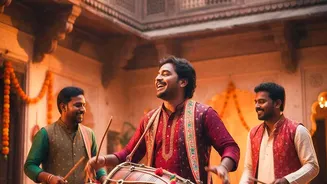
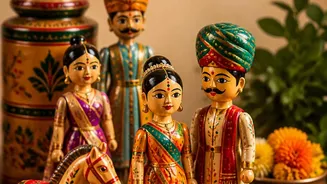
Shift your focus from textiles to another of Rajasthan's most iconic art forms: Kathputli, or string puppetry. In Jaipur, a settlement known as Kathputli Nagar is home to hundreds of families of hereditary puppeteers, magicians, and folk artists. This art form, over a thousand years old, traditionally served to narrate folk tales and historical legends in villages and royal courts. Visiting the colony, you can see artisans carving the distinctive wooden puppet heads, painting their expressive faces, and stitching their vibrant, traditional costumes. Many artisans welcome visitors into their homes and workshops, explaining the intricate process of making the puppets move with just a few strings. You might even be treated to an impromptu performance accompanied by the shrill sound of a bamboo flute and the beat of a dholak. It is a captivating experience that connects you to the storytelling soul of Rajasthan.
Day 5: Consolidated Crafts and Departure
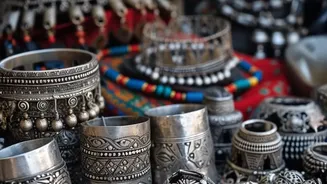
On your final day, consolidate your artisan tour. For a hassle-free experience of buying certified, high-quality crafts from across the state, visit a government-run emporium like Rajasthali. Here, you can find a curated collection of everything you've seen—Blue Pottery, Sanganeri and Bagru textiles, leather mojris, and miniature paintings—all under one roof, ensuring authenticity and fair prices. This is an excellent way to pick up any last-minute souvenirs without the need to navigate multiple markets. After a morning of relaxed shopping and one last cup of masala chai, you can proceed to the airport or railway station for your departure, carrying with you not just souvenirs, but a deeper connection to the hands that made them.