




Understanding Post-Monsoon Hair Fall
The high humidity during the monsoon season creates the perfect storm for hair troubles. Your scalp can become excessively oily, creating a breeding ground for dandruff and fungal infections that weaken hair follicles. Hair strands absorb excess moisture
from the air, which can damage the hair cuticle and lead to breakage. When the weather transitions to the drier post-monsoon period, your body often reacts to this stress by pushing more hair into the telogen, or 'shedding', phase of its growth cycle. This results in a temporary but noticeable increase in hair fall, a condition known as seasonal telogen effluvium.
Nourish From Within: Your Hair-Friendly Diet
A strong defence against hair fall starts on your plate. Since hair is primarily made of a protein called keratin, ensuring an adequate protein intake is non-negotiable. Include sources like eggs, lentils (dal), chickpeas, and yoghurt in your daily diet. Iron is another critical mineral, as it helps transport oxygen to your hair follicles. A deficiency is directly linked to hair loss. Boost your levels with spinach, beetroot, pomegranate, and dates. To help your body absorb this iron effectively, pair it with Vitamin C-rich foods like amla, lemons, oranges, and guavas.
Essential Micronutrients for Stronger Strands
Beyond the basics, certain micronutrients are superstars for hair health. Biotin, a B-vitamin, is vital for keratin production; find it in almonds, walnuts, seeds, and sweet potatoes. Zinc is essential for hair tissue growth and repair, with pumpkin seeds and chickpeas being excellent sources. Finally, don't forget Omega-3 fatty acids, which help maintain a healthy, hydrated scalp from the inside out. Incorporate flaxseeds, walnuts, and fatty fish to get your dose of these healthy fats.
The Foundation: A Clean and Healthy Scalp
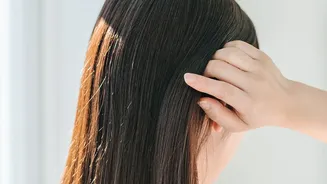
External care is just as important as internal nutrition. During the humid post-monsoon phase, keeping your scalp clean is paramount. Sweat, oil, and product residue can clog follicles and worsen hair fall. Wash your hair two to three times a week with a gentle, sulphate-free shampoo to remove buildup without stripping natural oils. If dandruff is a major issue, consider a shampoo with anti-fungal properties or use natural ingredients like neem-infused water as a final rinse. A clean scalp is the foundation for healthy hair growth.
Smart Scalp Care Practices
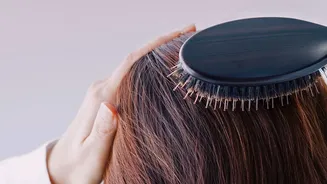
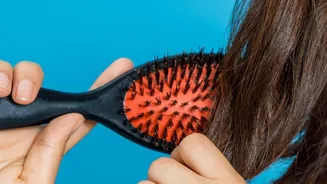
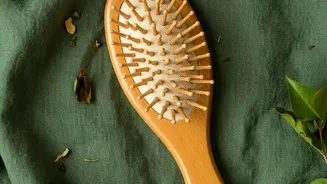
How you treat your hair matters. While oiling is a traditional and beneficial practice, avoid leaving oil on for more than a few hours, especially on an already oily scalp, as it can trap dirt. Instead, apply lukewarm oil and massage gently for 15 minutes before washing. When your hair is wet, it is at its most fragile. Never rub it vigorously with a towel; gently squeeze out excess water with a soft t-shirt or a microfiber towel. Use a wide-tooth comb to detangle, starting from the ends and moving up to the roots to prevent breakage. Finally, avoid tight hairstyles like high ponytails or buns that put constant strain on your hair follicles.