



More Than Just a Hike
Forget the typical weekend trek. The rising trend of cliff cave journeys in Western India offers a multi-layered experience that goes far beyond simple hiking. These expeditions are a unique fusion of physical challenge, historical exploration, and raw
natural beauty. Participants don't just walk to a viewpoint; they navigate ancient pathways, rappel down rock faces, and traverse narrow ledges to reach caves that have served as shelters, monasteries, and water cisterns for centuries. The goal is not merely reaching a summit but stepping into a living museum chiselled into the mountainside. It’s an adventure that engages the body and the mind, connecting modern thrill-seekers with the ingenuity of ancient civilisations who first made these inaccessible cliffs their home.
The Sahyadri's Treasure Trove
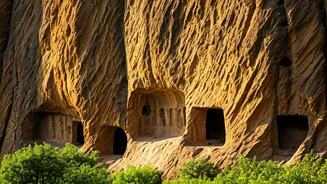
The epicentre of this movement is Maharashtra's Sahyadri mountain range, a part of the Western Ghats. This region is a treasure trove of hundreds of rock-cut caves, many dating back to Buddhist, Jain, and Hindu traditions from over a millennium ago. Forts like Harishchandragad, with its famous Konkan Kada (cliff), and Ratangad, known as the 'Jewel of the Forts', are prime destinations. These treks often incorporate visits to sites like the Bhimashankar Wildlife Sanctuary or the cluster of caves around Lonavala and Karjat. Adventure groups focus on these areas because the density of historical sites is high, and the terrain offers a perfect mix of moderate trails and technical sections, allowing for diverse and scalable itineraries.
What 'Mapping a Journey' Means
When adventure groups talk about 'mapping' these journeys, they aren't just drawing lines on a paper map. They are meticulously curating a complete experience. This involves scouting for safe routes, identifying anchor points for rappelling and climbing, and assessing risks associated with weather and terrain. A 'mapped journey' is an itinerary that includes certified guides, safety equipment like harnesses and ropes, and often logistical support like transportation and meals. It transforms a potentially dangerous solo expedition into a structured and safe group activity. These groups handle the technical aspects, allowing participants to focus on the challenge and the breathtaking scenery. Their expertise is what makes these remote, high-altitude caves accessible to a broader audience of adventure lovers, not just elite mountaineers.
Finding Your Level of Adventure
The beauty of these curated cave journeys is their variety. There is an option for almost every fitness and experience level. For beginners, there are treks to easily accessible caves like the Kondana Caves near Karjat, which involve a simple hike. Intermediate trekkers might choose a route to a fort like Visapur, which involves more elevation gain and some scrambling. For the true adrenaline junkies, there are advanced expeditions. These often involve technical rock climbing, multiple rappels, and sometimes even overnight stays in the caves themselves, under the watchful eyes of expert guides. Groups like Trek Mates India, Giripremi, and numerous local operators in Pune and Mumbai offer a spectrum of trips, clearly labelling them by difficulty level.
Safety and Responsible Exploration
Embarking on a cliff cave journey requires preparation. The most critical rule is to never attempt a technical route alone or without proper guidance. Always go with a reputable and certified adventure group that prioritizes safety. Essential gear usually includes sturdy trekking shoes with good grip, a comfortable backpack, a headlamp (crucial for exploring dark caves), and plenty of water. The best season for most of these treks is post-monsoon, from September to February, when the landscape is lush and green, and the trails are less slippery. During the monsoon, the difficulty level skyrockets, and many routes become unsafe. Finally, responsible tourism is key. These caves are fragile archaeological sites. Follow the 'leave no trace' principle: take nothing but pictures, and leave nothing but footprints.