



The Urban Exodus
Long before the official monsoon timetable makes its way to the sweltering plains and gridlocked cities, a dedicated tribe of travellers is already on the move. They are the 'monsoon chasers'. Armed with weather apps and an adventurous spirit, these urbanites—mostly
young professionals, couples, and families—are packing their bags and hitting the highways. Their destination? The nearest mountain getaway, where the clouds descend first. This isn't a planned, long-leave vacation. It's a spontaneous, almost primal, dash to escape the oppressive heat and be the first to welcome the rain. The minute meteorological reports hint at pre-monsoon showers in the ghats or the lower Himalayas, cars are refuelled, weekend plans are hastily made, and hotel bookings spike in places like Lonavala, Mussoorie, and Kasauli.
The Psychology of Petrichor
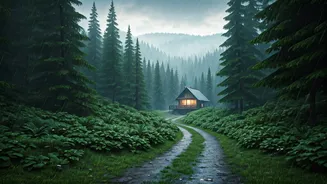
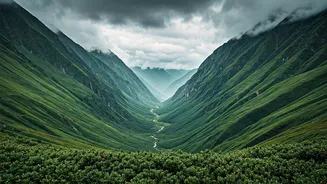
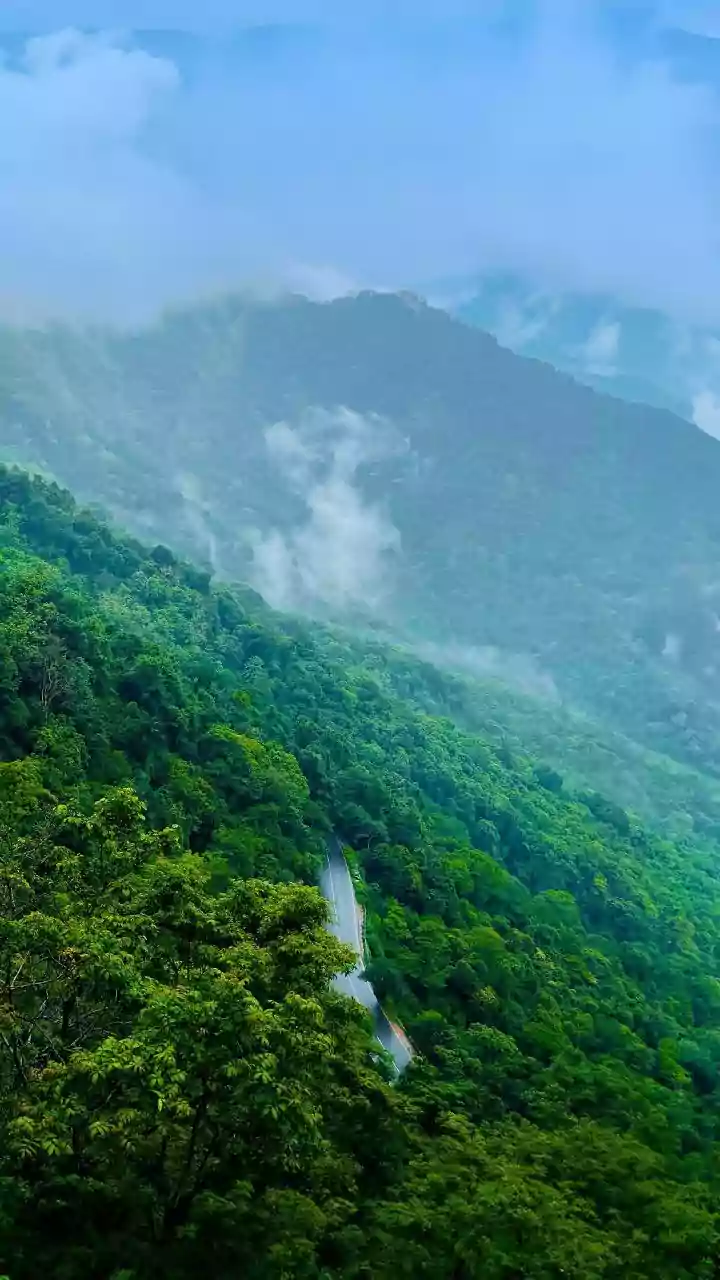
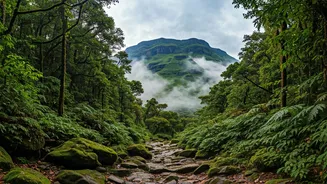
What drives this urgent pilgrimage? It’s more than just a desire for cooler temperatures. It's a deep-seated cultural and sensory connection to the monsoon's arrival. The allure lies in experiencing 'petrichor'—the earthy scent produced when rain falls on dry soil—in its purest form, away from the concrete and pollution of the city. For many, the first rain is an event steeped in nostalgia, evoking childhood memories of paper boats and splashing in puddles. In the mountains, this experience is amplified. The mist rolling down the hills, the amplified sound of raindrops on tin roofs, and the sudden, dramatic greening of the landscape create an immersive spectacle. It’s a multi-sensory reset button that washes away the fatigue of a long, hot summer. This chase is less about the destination and more about capturing a feeling—a moment of pure, unadulterated joy and relief.
Hotspots for the First Downpour
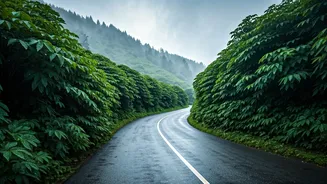
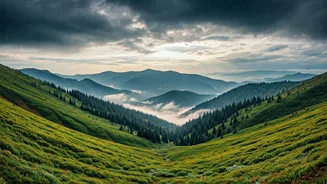
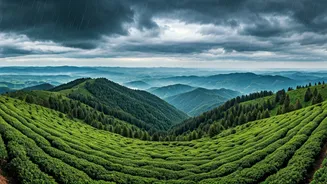
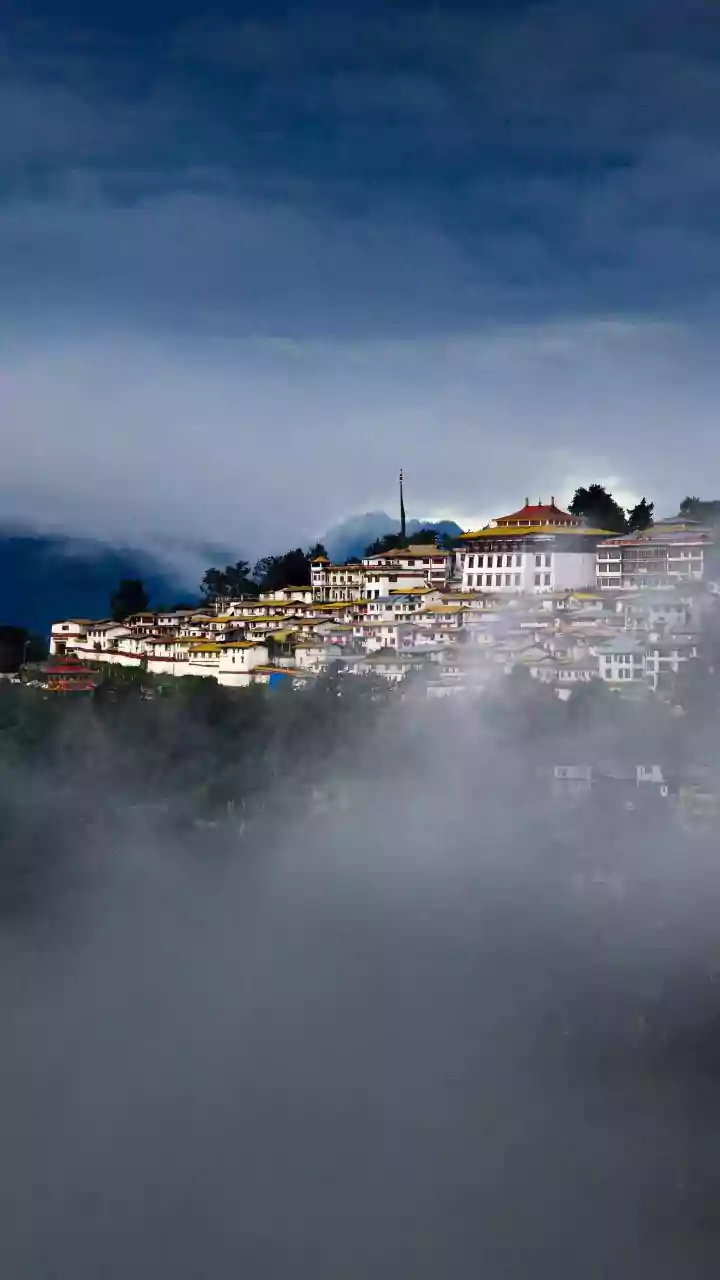
The geography of the chase is predictable yet magical. For Mumbaikars and Punekars, the winding roads to Lonavala, Khandala, and Mahabaleshwar become weekend highways. Viewpoints that were barren just a week ago are now shrouded in fog, and makeshift stalls selling roasted corn on the cob (bhutta) and hot ginger tea do roaring business. Delhiites head for the hills of Uttarakhand and Himachal Pradesh, with places like Mussoorie, Landour, and Kasauli offering a dramatic change in scenery and weather within a few hours' drive. In the south, the Western Ghats offer their own brand of monsoon magic. Riders and drivers flock to Munnar in Kerala or Coorg in Karnataka, where the rain turns the vast tea and coffee plantations into a sea of vibrant green. The appeal of these places lies in their accessibility and the simple, unfiltered pleasures they offer: a long drive through the clouds, a warm bowl of Maggi at a roadside dhaba, and the simple act of watching the world get a fresh lease of life.
A Boost for Local Economies
This early rush of 'monsoon chasers' provides a crucial, often unexpected, boost to local economies. The period just before the full-blown monsoon can be a lean season for tourism, caught between the end of the summer holidays and the peak rainy season. These early travellers fill hotels, homestays, and cafes, providing welcome revenue. Restaurant owners who were preparing for a lull suddenly find their kitchens busy, serving up endless plates of pakoras and other rainy-day comfort foods. For many small businesses in these hill stations, the monsoon chasers are not just customers; they are the harbingers of the profitable season ahead, turning a typically quiet shoulder period into a bustling mini-season.
The Ritual of the Chase
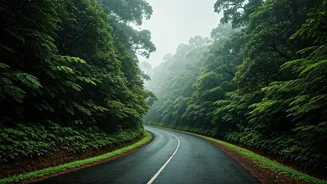
The entire experience has evolved into a modern ritual. It starts with the sharing of weather forecasts in WhatsApp groups. Then comes the curation of the perfect 'monsoon driving' playlist, filled with soulful tracks that complement the misty landscape. The journey itself is as important as the destination, marked by photo-ops of fog-covered valleys and dramatic cloud formations. This isn't just about seeing the rain; it's about performing the act of welcoming it. For a generation accustomed to curated digital experiences, chasing the first rain offers an authentic, tangible connection to the natural world. It’s a shared cultural experience, played out in real-time and broadcast across social media, inspiring others to join the race.