


The Other Side of Rajasthan
For decades, Rajasthan’s tourism has thrived on a well-trodden path through Jaipur, Jodhpur, and Udaipur. While iconic, this circuit only tells part of the state’s story. Now, government and tourism bodies are actively promoting regional diversification,
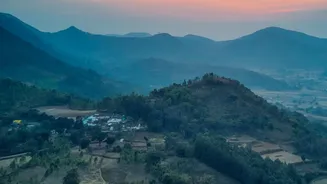
aiming to guide travellers beyond the familiar desert landscapes and into its lesser-known corners. This strategic shift spotlights southern Rajasthan, where the arid sands give way to green hills, dense teak forests, and flowing rivers. At the heart of this initiative is Banswara, a district whose natural beauty has long been overshadowed. Known as the 'Cherrapunji of Rajasthan' for the high rainfall it receives, Banswara offers a starkly different, greener vision of the state.
Banswara: The 'City of a Hundred Islands'
Banswara's unique identity comes from the Mahi River, which creates a stunning backwater landscape dotted with numerous small islands, earning it the nickname 'City of a Hundred Islands'. These islands, nestled in the catchment area of the Mahi Bajaj Sagar Dam, emerge and submerge with the seasons, creating an ever-changing, picturesque scene. This region, with its rolling green hills and significant tribal population, primarily the Bhil community, offers an authentic cultural experience that diverges from the royal histories of other regions. Until now, its attractions—from the cascading Jua Falls to the serene Diablab Lake and the historical ruins of Arthuna—have remained largely an open secret, enjoyed mostly by locals and intrepid travellers.
The New Eco-Tourism Blueprint
The game-changer for Banswara is a focused push to develop the Mahi Dam region as a premier eco-tourism destination. In early 2026, the state government announced the formation of a special committee to create a master plan for the area. This plan focuses on sustainable development, including regulated land use, new water sports activities, and the creation of nature-based attractions like scenic viewpoints. The goal is to harness the area’s natural appeal without succumbing to over-commercialization, ensuring that development benefits local communities and preserves the fragile ecology. This isn't just about building a few hotels; it's a comprehensive strategy that includes improving infrastructure and connectivity to make the region more accessible for visitors.
What's New for Travellers?
This official push translates into tangible upgrades for tourists. You can expect better-managed access to key sites like Chacha Kota, the main viewpoint for the islands, which previously lacked basic amenities. The focus on eco-tourism and water sports means new, organised opportunities for boating, and potentially kayaking or other activities on the Mahi backwaters, which were previously informal. Furthermore, the state's broader tourism policy includes promoting lesser-known destinations like Banswara for niche segments, such as destination weddings and film shoots, signalling investment in higher-quality accommodation and services. This means travellers who were once hesitant due to a lack of infrastructure may soon find more comfortable and compelling reasons to visit.
Rethinking Your Banswara Itinerary
So, how should you plan a trip to Banswara now? Previously seen as a quick day trip from Udaipur, the region now merits a dedicated 2-3 day itinerary. Start by exploring the Mahi Bajaj Sagar Dam and its backwaters, dedicating ample time for a boat ride to appreciate the islands. A visit to the Tripura Sundari temple, a significant Shakti Peeth, and the cave temple of Madareshwar can anchor a day of spiritual and scenic exploration. With the new focus, consider staying near the dam to catch the sunrise over the water. Instead of just seeing the sights, the new Banswara invites you to experience them—through leisurely boat trips, exploring tribal villages, and soaking in the views from newly developed viewpoints.