



A Perfect Storm for Fungus
Fungi, particularly yeast like Malassezia, naturally exist on your dog's skin. Under normal conditions, they are harmless. However, the monsoon changes the game entirely. The combination of high humidity, constant moisture from wet walks, and warmth creates
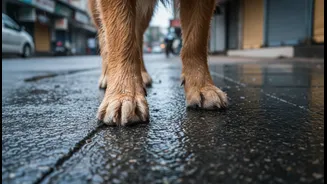
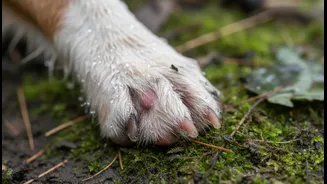
an ideal micro-environment for these fungi to multiply uncontrollably. Paws are especially vulnerable because the spaces between the toes trap moisture, mud, and debris, staying damp long after a walk is over. This constant moisture, combined with the warmth of your dog's body, is essentially an open invitation for a fungal party, leading to uncomfortable and sometimes painful infections.
Signs Your Dog’s Paws Are in Trouble
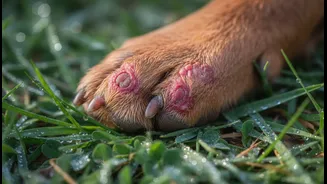
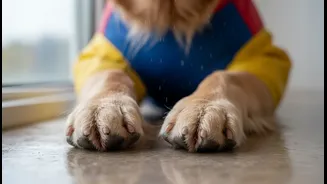
Fungal infections aren't always obvious at first, but your dog's behaviour is a key indicator. One of the earliest and most common signs is persistent licking and chewing of the paws. This isn't just a habit; it's a direct response to intense itching and irritation. Upon closer inspection, you might notice other telltale symptoms. The skin between the toes and on the pads may appear red and inflamed. You might also see hair loss, scaly or crusty skin, and in some cases, a brownish discharge at the base of the nails. A distinct musty or cheesy odour, often described as smelling like corn chips, is another classic sign of a yeast infection.
Your First Line of Defence: Prevention
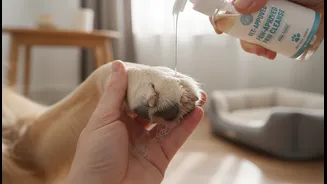
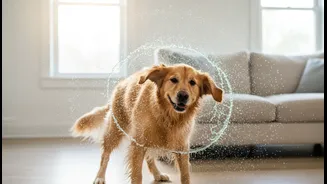
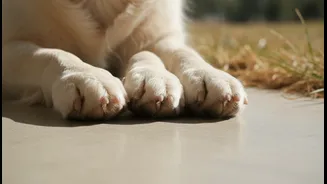
When it comes to monsoon paw care, prevention is far better than cure. The most critical step is to keep your dog's paws clean and, most importantly, dry. After every single walk, no matter how short, make it a routine to thoroughly clean and dry their paws. Use a towel to wipe away mud and then focus on drying the areas between the toes, as this is where moisture lingers. For dogs with thick coats, a pet-friendly hairdryer on a low, cool setting can be invaluable. Keeping the hair around the paw pads trimmed short also improves air circulation and reduces the surfaces that trap dampness and dirt.
At-Home Care and Soothing Solutions
For mild irritation, some at-home care can provide relief. After cleaning and drying, you can apply a vet-approved antifungal powder or spray as a preventive measure. Some pet owners find success with paw soaks. A heavily diluted solution of apple cider vinegar and water can help create a less friendly pH environment for yeast, but it's crucial to consult your vet first, as it can irritate raw or broken skin. Similarly, applying a thin layer of coconut oil can have mild antifungal properties and moisturise cracked pads, but it should be used sparingly. Always ensure any product you use is safe for dogs to lick. Do not use leftover medications from previous issues without professional advice.
When to Call the Veterinarian
While preventive care is effective, some infections require professional help. It's time to see a veterinarian if the symptoms persist for more than a few days despite your efforts. Red flags that warrant an immediate vet visit include severe swelling, limping or refusal to put weight on the paw, open sores, or a foul-smelling discharge. A vet can accurately diagnose the issue, sometimes taking a skin scraping to identify the specific fungus or rule out a secondary bacterial infection. Treatment may involve prescription topical creams, medicated shampoos, or in more severe cases, oral antifungal medications. Early intervention can prevent the infection from worsening and ensure your dog gets relief quickly.