


Fermentation vs. Quick Pickling
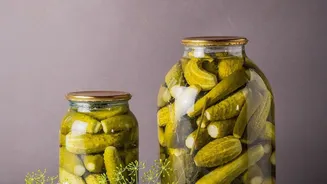
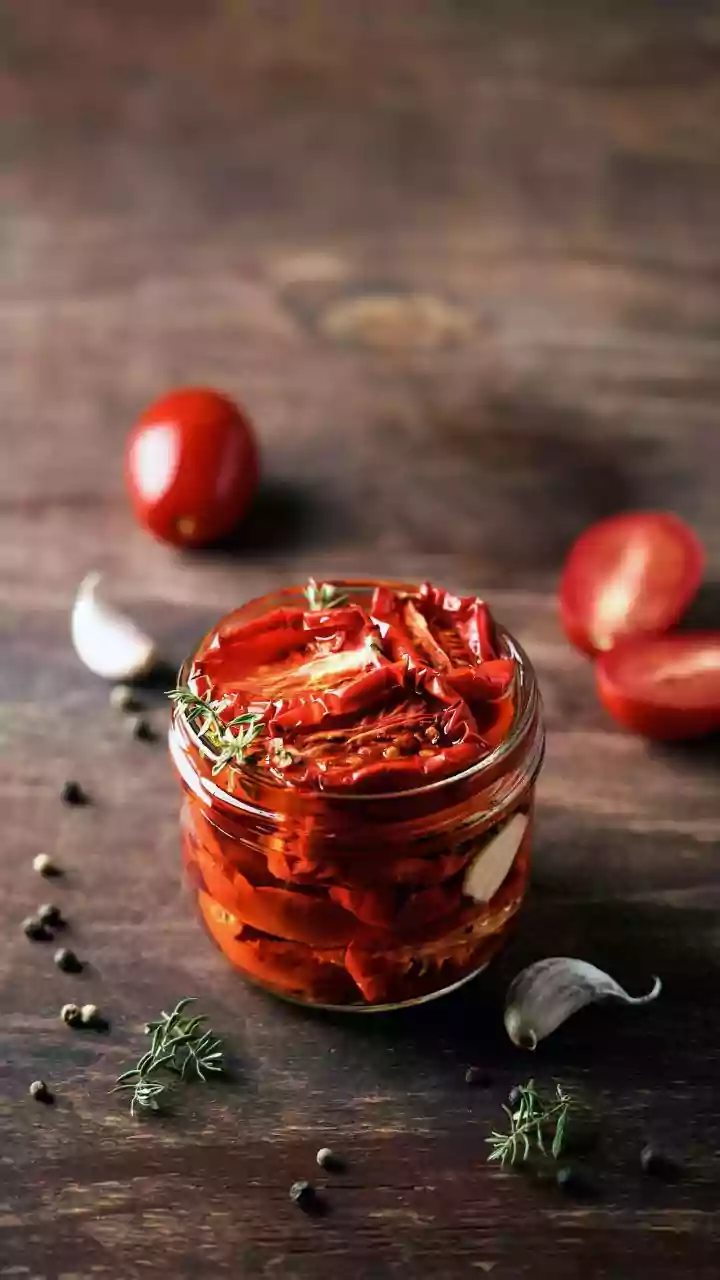
Not all pickles are created equal. The jar you pick up from a supermarket shelf is often a 'quick pickle', where vegetables are preserved in a heated vinegar brine. This method is fast and creates a tangy flavour, but the heat and acid kill off many beneficial
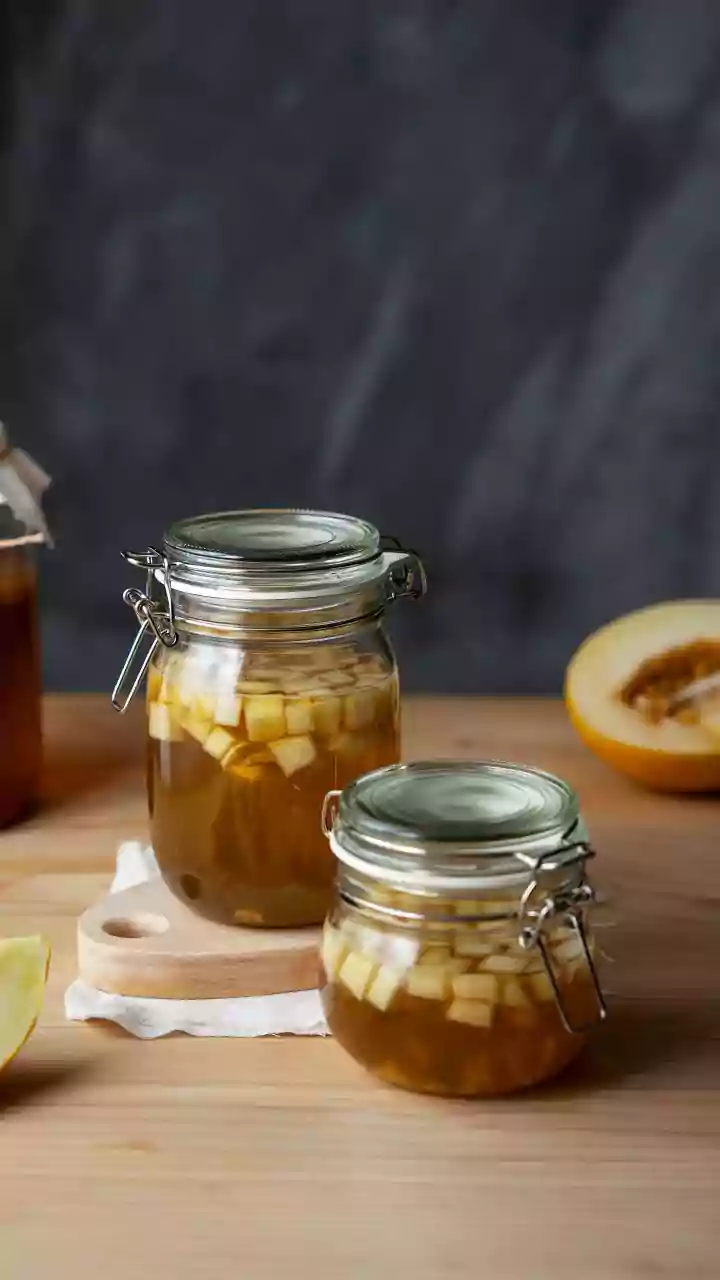
microbes. Ancient methods, however, rely on lacto-fermentation. This is a natural process where salt is used to draw water out of vegetables, creating a brine in which naturally present bacteria, primarily of the Lactobacillus family, can thrive. These bacteria consume the sugars in the vegetables and produce lactic acid. This acid is what preserves the pickle, creating a complex, deep flavour over days or weeks and, crucially, cultivating a host of beneficial live microorganisms.
Unlocking Hidden Plant Nutrients
This is where 'bioavailability' comes in. A plant can be packed with minerals like iron, zinc, and calcium, but they aren't always easy for our bodies to absorb. This is often due to 'anti-nutrients' like phytic acid, which are naturally present in many plant foods and bind to these minerals, preventing our gut from accessing them. The magic of fermentation is that the microbial activity helps break down these anti-nutrients. The bacteria produce enzymes, such as phytase, that degrade phytic acid. This process essentially 'unlocks' the minerals, making them more bioavailable. Studies have shown that fermentation can significantly increase the absorption of iron and zinc from plant-based foods. The process can also preserve and even synthesize certain vitamins, like B vitamins and Vitamin K.
Cultivating Your Inner Garden
The gut microbiome is the bustling community of trillions of microorganisms living in your digestive tract. A diverse and balanced microbiome is increasingly linked to everything from digestion and immunity to overall health. Truly fermented foods are a direct source of probiotics, which are live, beneficial bacteria that can help populate your gut. When you eat a traditionally fermented pickle, you are introducing these helpful microbes, like Lactobacillus, into your system. These bacteria help maintain an acidic gut environment, which discourages the growth of harmful pathogens. Research, including a prominent 2021 study from Stanford, has shown that a diet rich in fermented foods can increase the diversity of the gut microbiome and lower markers of inflammation.
The Wisdom in Traditional Achar
Many traditional Indian pickles, or 'achars', are perfect examples of this ancient science in action. While some modern or regional recipes rely more heavily on oil or vinegar as preservatives, many classic preparations for mango, lime, chilli, and mixed vegetable pickles use salt and time to encourage natural fermentation. The ingredients are often mixed with spices and salt and then left in ceramic or glass jars, sometimes in the sun, to allow the slow fermentation process to develop complex flavours and preserve the food naturally. This time-honoured practice, passed down through generations, wasn't just about preservation or taste; it was an intuitive form of creating a food that was more nutritious and supportive of gut health long before the terms 'bioavailability' or 'microbiome' were part of our vocabulary.