


A Land Woven with Sky
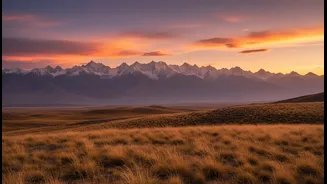
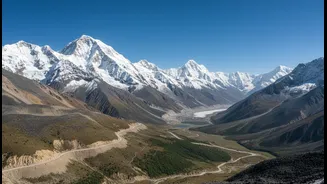
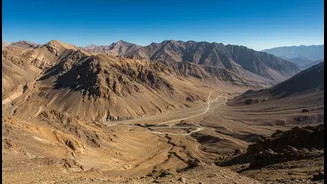
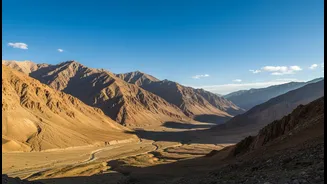
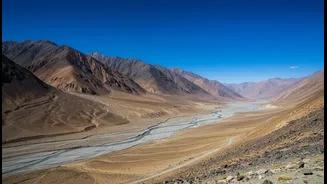
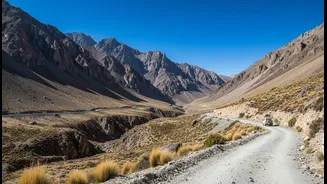
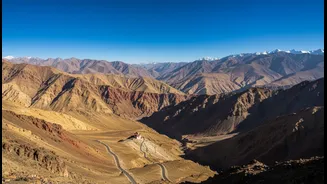
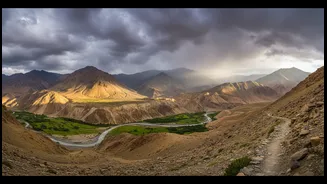
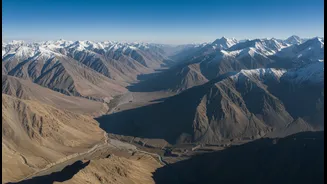
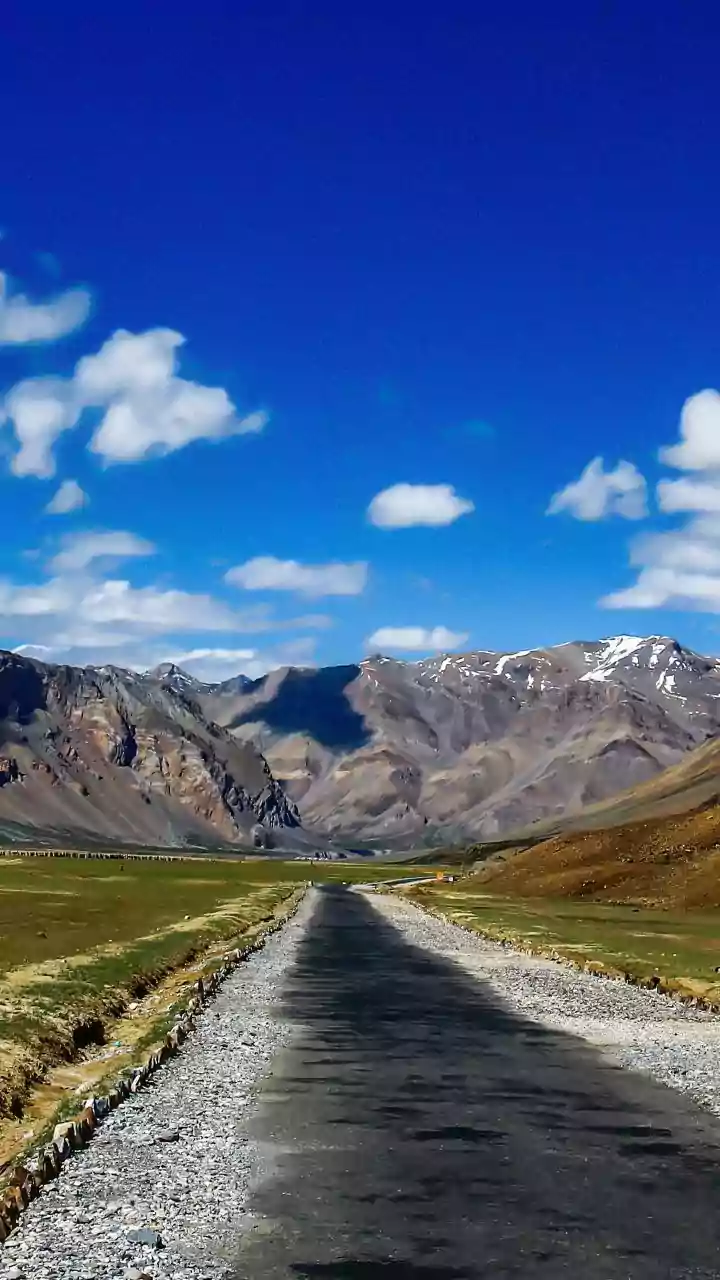
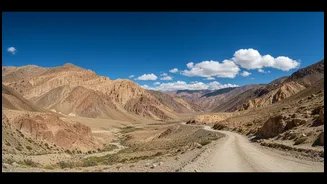
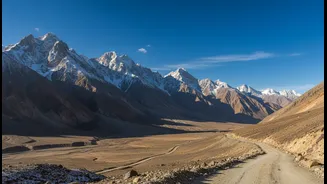
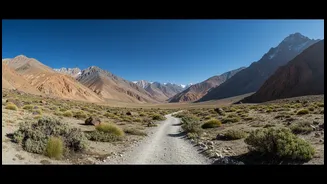
Perched at an altitude of over 15,000 feet, the Changthang region of Ladakh is a high-altitude desert of breathtaking but harsh beauty. It is a land of dramatic landscapes, pristine lakes, and freezing winters. This challenging environment is home to
the Changpa, a semi-nomadic people who have for centuries followed a pastoralist lifestyle, moving with their herds in search of grazing lands. Their lives are intrinsically linked to their animals—yaks, sheep, and the famous Changthangi goat—and their resilience is mirrored in the crafts they produce, which are born from necessity but elevated to an art form. These are not mere decorative items; they are essential tools for survival, from the warm woollen tents called 'rebo' that withstand fierce winds to the clothes that protect against the biting cold.
More Than Just Wool
The most famous story from this region is that of Pashmina, the 'soft gold' derived from the fine undercoat of the Changthangi goat. The severe climate causes these goats to grow an incredibly soft and warm fleece, which is gently combed out by the herders in spring. This raw fibre is painstakingly cleaned, dehaired, and then hand-spun by artisans, often women using traditional spindles called 'phang'. The delicacy of the fibre means it cannot be handled by machines without breaking, making the human touch essential to preserving its quality. While the final intricate weaving of shawls often takes place in Kashmir, the story begins here, with the Changpa herders whose lives are dedicated to caring for the goats that produce this rare and luxurious wool.
The Keepers of the Flame
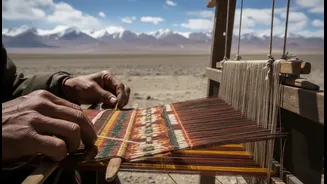
The craftspeople of Changthang are the guardians of a living heritage. Weaving is an integral part of life, a skill taught to almost everyone from a young age. There is a traditional division of labour: women often work with sheep and yak wool on portable backstrap looms, creating fabrics for clothing and blankets, while men might weave with goat and yak hair to make tents and saddlebags. These are not just mechanical processes; they are social activities. Women gather to spin and weave, sharing stories and drinking tea, embedding their community spirit into the fabric. Knowledge is passed down through generations, with grandmothers teaching daughters and granddaughters, ensuring the lineage of these skills continues like the warp and weft on a loom.
Threads of a Fragile Future
Despite its deep roots, this traditional way of life faces significant threats. The influx of cheaper, machine-made goods provides stiff competition, undercutting the value of handmade items. Limited access to larger markets and the perception of craft as a less lucrative career path mean that younger generations are sometimes drawn towards jobs in cities like Leh. This migration threatens to break the chain of generational knowledge. Furthermore, changing weather patterns are impacting the delicate ecosystem of the plateau, affecting the grazing lands that the pastoralists and their herds depend on. These factors create a precarious situation where ancient skills could be lost within a generation.
A Story in Every Thread
The craft stories of Changthang are deeply personal. They are narratives of a people's relationship with their land, their animals, and their spiritual beliefs. A woven textile is more than a blanket; it can express social status, family history, and sacred ideals. The simple, geometric patterns on a Ladakhi pashmina reflect the stark beauty of the Himalayan landscape. From woollen 'snambu' fabric and durable 'tsukden' carpets to everyday tools and containers, each object carries the imprint of the hands that made it and the life it is meant to serve. Supporting these crafts means more than just purchasing a beautiful object; it is an act of preserving a unique cultural identity and sustaining the community that nurtures it.