



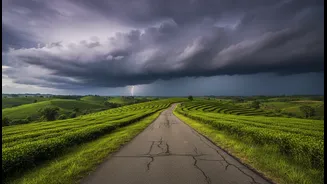


The Great Green Rebirth
Older than the Himalayas, the Western Ghats are a UNESCO World Heritage site and one of the world's hottest biodiversity hotspots. While beautiful year-round, the monsoon unleashes a unique magic. The first rains in June and July act as a life-giving
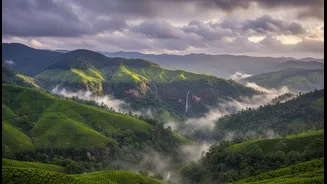
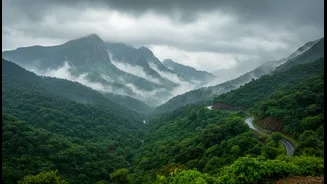
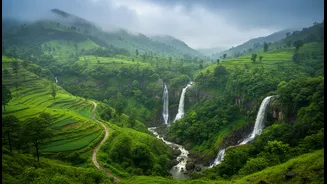
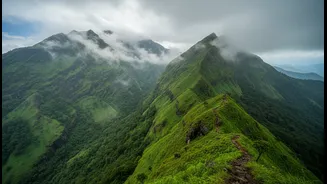
force, washing away the dust of summer and coaxing life from every inch of soil. The entire 1,600-kilometre range, which stretches across Gujarat, Maharashtra, Goa, Karnataka, Kerala, and Tamil Nadu, cloaks itself in countless shades of emerald. This sudden, dramatic greening is the foundation of the monsoon experience, turning familiar hills and valleys into a thriving, breathing ecosystem that feels both ancient and new.
A Symphony of Waterfalls
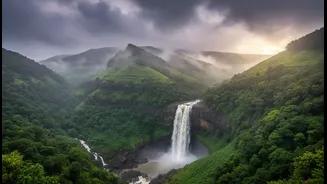
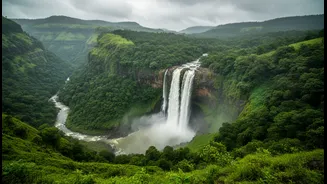
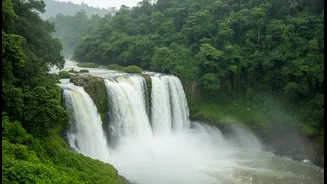
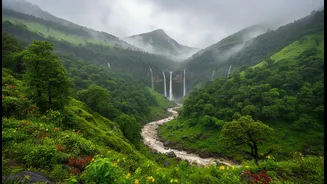
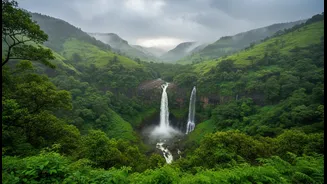
The true soundtrack of the Ghats in July is the roar of water. Countless waterfalls, many of which are mere trickles or completely dry during other seasons, burst into spectacular life. In Maharashtra, destinations like Malshej Ghat and Amboli Ghat become corridors of cascades, with water tumbling down mountainsides at every turn. Farther south, giants like Dudhsagar Falls on the Goa-Karnataka border live up to their name, which translates to 'Sea of Milk', presenting a powerful four-tiered spectacle. Other notable falls that are at their most glorious during the monsoon include Jog Falls in Karnataka and Athirappilly Falls in Kerala, often called 'The Niagara of India'. These sites are not just about the view; they are a full sensory experience of mist, sound, and raw natural power.
Misty Escapes and Blooming Wonders
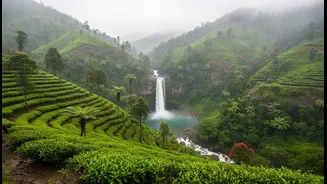
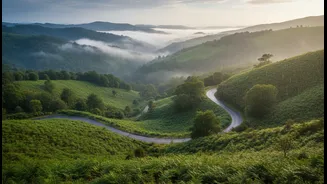
The monsoon brings a distinct atmosphere to the region's famous hill stations. Places like Munnar in Kerala, Coorg in Karnataka, and Mahabaleshwar in Maharashtra are draped in a thick, romantic mist that rolls through tea and coffee plantations, creating a serene and introspective mood. This is also a time of extraordinary botanical activity. While the famed mass blooming of Neelakurinji flowers is a rarer event, the monsoon triggers a host of other floral displays. The Kaas Plateau in Maharashtra, known as the state's own 'Valley of Flowers', becomes a carpet of over 850 species of wildflowers from late August into September, a direct result of the preceding July rains. The biodiversity extends to fauna as well, with amphibians, butterflies, and insects becoming particularly active.
An Adventurer's Paradise
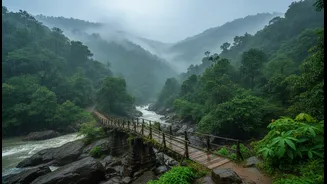
For the intrepid traveller, the monsoon opens up a different kind of adventure. The rain-drenched forests of Wayanad in Kerala and Agumbe in Karnataka, known as the 'Cherrapunji of the South', offer unique trekking experiences. These are not just simple walks but immersions into a wet, wild world filled with the calls of birds and the croaking of frogs that emerge for their breeding season. Specialised activities like guided frog walks and nocturnal biodiversity trails are gaining popularity, offering a chance to see the fragile ecosystems that come alive only during this time. However, adventure here demands respect for nature; leeches are common, and trails can be slippery.
Tips for a Safe Monsoon Journey
Travelling to the Western Ghats during the monsoon requires preparation. Roads can be slippery and visibility low, especially on steep ghat passes, so driving slowly and cautiously is essential. It's wise to check local weather alerts and road conditions, as authorities may restrict access to certain high-risk areas like overflowing waterfalls or landslide-prone zones. Pack quick-drying synthetic clothing instead of cotton or jeans, a reliable raincoat, and footwear with excellent grip. Waterproof bags or covers for electronics and important documents are a must. While the beauty is immense, always prioritise safety by sticking to designated paths and avoiding swimming in powerful currents.