

The Health and Wellness Wave
Not long ago, the primary metric for a good snack was its crunch and flavour. Today, a significant number of Indian shoppers are turning the packet over to read the fine print. Health has become a major driver of purchasing decisions. This isn't just
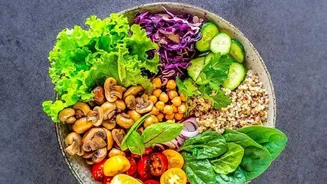
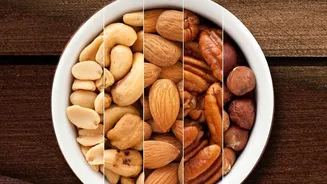
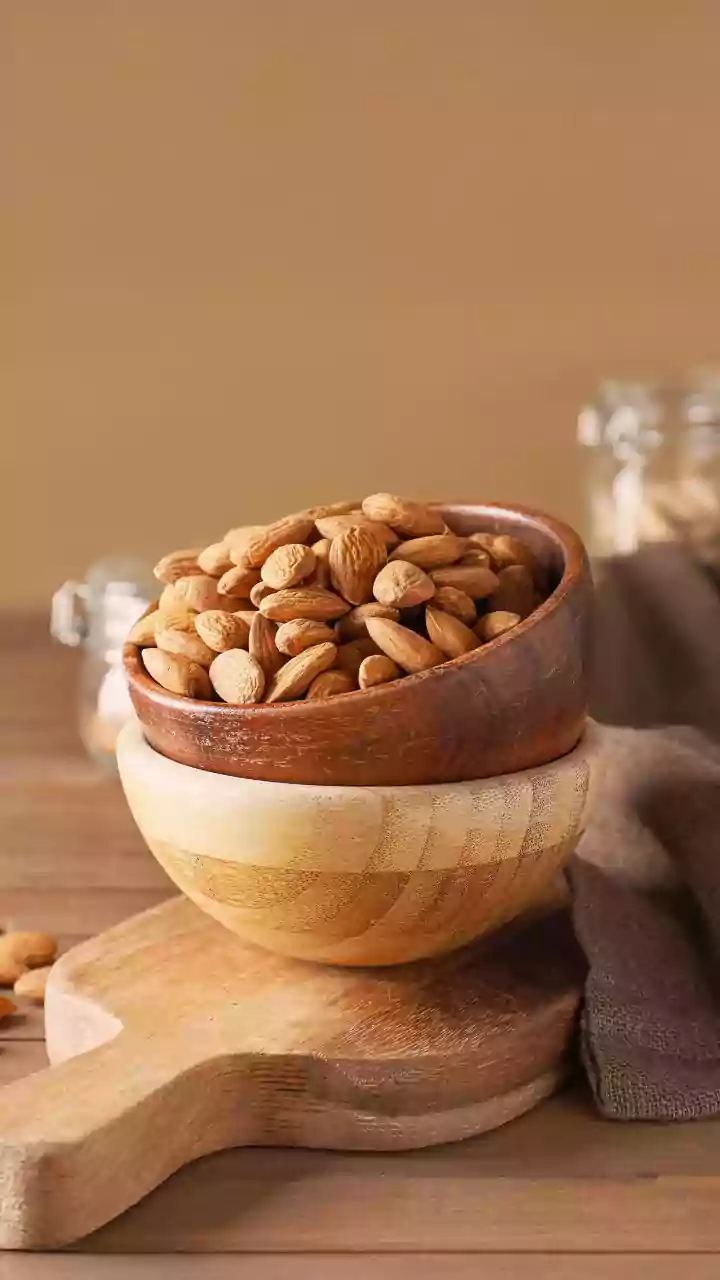
about counting calories; it's a broader move towards 'better-for-you' options. Consumers are actively seeking out snacks that are baked, popped, or air-fried instead of deep-fried. The demand for protein-rich snacks has also moved from a niche fitness trend to a mainstream expectation, with a 2026 report finding that 86% of Indians consider protein an important factor when buying a snack. This has fueled the popularity of options like roasted makhana, nuts, and millet-based products, which are increasingly seen as everyday alternatives to traditional fried namkeens and potato chips.
The Quest for 'Clean Labels'
Beyond general health, there is a growing demand for transparency. The 'clean label' movement, which prioritises simple and recognisable ingredients, is gaining serious traction. Modern consumers are wary of artificial colours, flavours, and preservatives. A recent survey highlighted that 62% of respondents consider clear information about ingredients the single most important factor when choosing a snack brand, even more so than celebrity endorsements. This indicates a fundamental shift in trust; shoppers now rely more on the ingredient list than on the famous face promoting the product. They are looking for natural sweeteners like jaggery and dates instead of refined sugar and prefer shorter ingredient lists that they can actually understand. This is pushing manufacturers to reformulate their products to be simpler and more natural without compromising on the taste and texture that consumers still expect.
Convenience Is the New Currency
In India's fast-paced urban centres, time is a precious commodity. This has made convenience a powerful, non-negotiable driver in the packaged food market. Busy schedules and longer commutes mean consumers are looking for on-the-go snacking solutions. But convenience is no longer just about the food being ready-to-eat. It now extends to packaging and portion sizes. Single-serve packs that are easy to carry, store in a desk drawer, or fit into a child's tiffin box are becoming increasingly popular. This practicality influences purchasing decisions, especially among working professionals, students, and parents. The rise of quick commerce platforms has further amplified this trend, making it possible to get a desired snack delivered in minutes, reinforcing the need for products that fit seamlessly into a hectic lifestyle.
Authentic Flavours and Global Twists
While health and convenience are rising, the Indian palate remains as diverse as ever, creating a dual demand for both authenticity and novelty. There is a growing appreciation for authentic, regional flavours that have not yet been commercialised on a mass scale. Consumers are showing interest in snacks that offer a taste of a specific region's culinary heritage, like traditional Kerala banana chips or spicy Maharashtrian namkeens. At the same time, exposure to global cultures, partly through online streaming and travel, has created a sustained curiosity for international flavours. This has led to the popularity of variants like Korean chilli, peri-peri, and wasabi. The modern Indian snacker is adventurous, wanting to explore new taste profiles while also seeking comfort in familiar, ethnic tastes. Successful brands are those that manage to cater to this wide spectrum of preferences.