
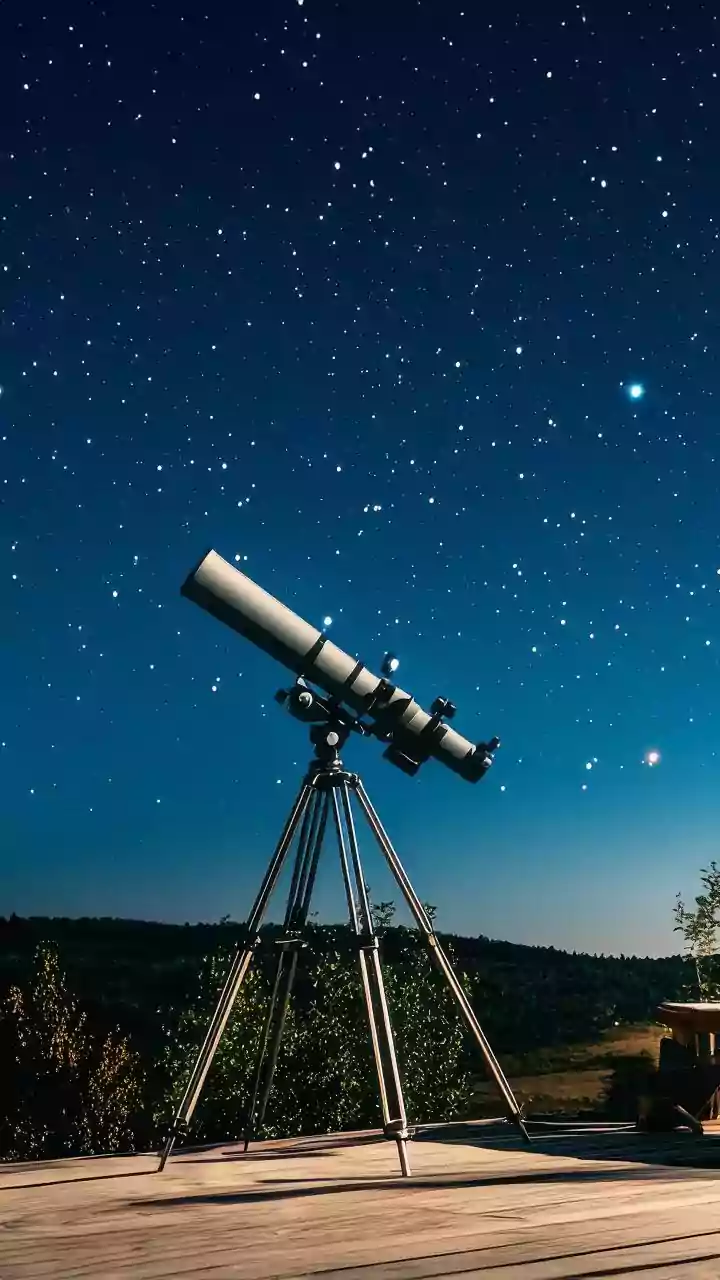

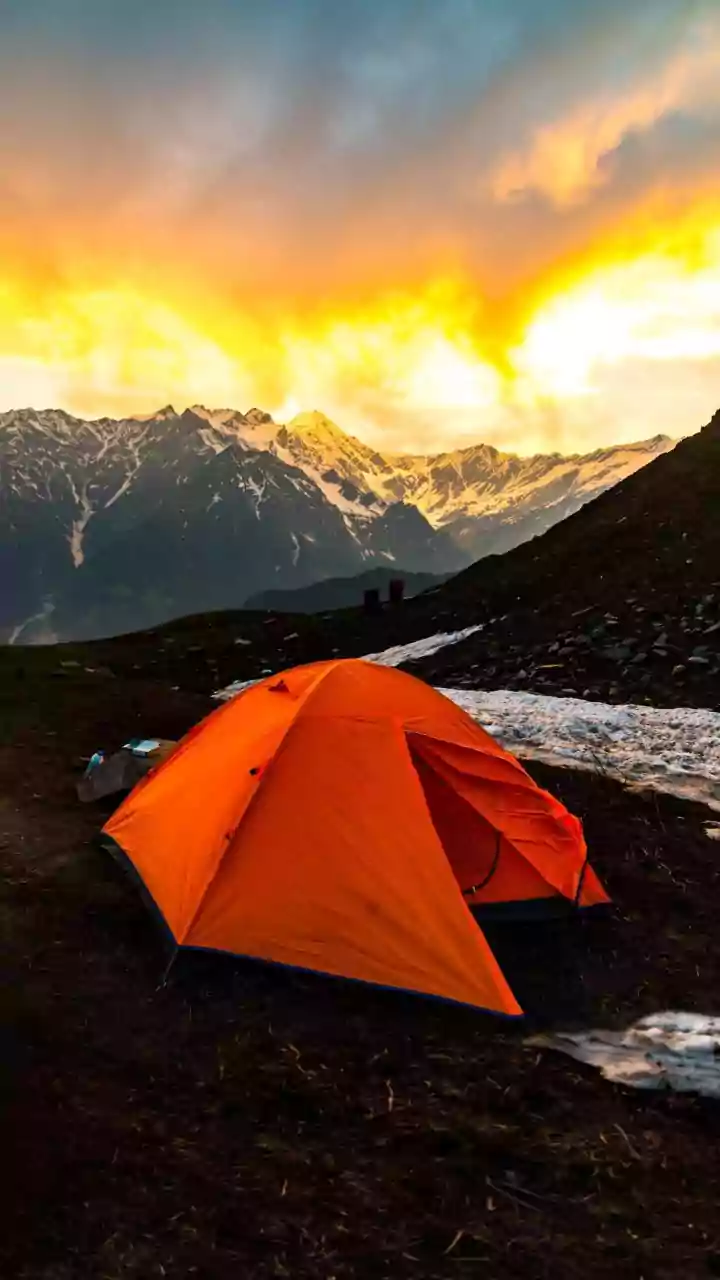

A Natural Observatory in the Himalayas
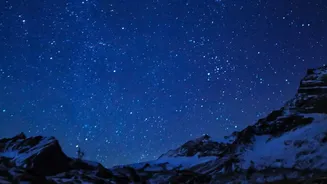
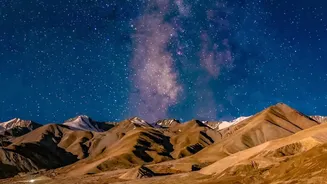
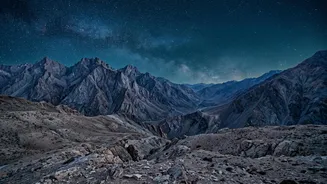
What makes Spiti Valley a stargazer's paradise? It's a rare combination of three factors: altitude, isolation, and dry air. Situated at an average elevation of 12,500 feet, the valley sits above a significant portion of Earth's atmosphere, which means
less haze and distortion. Its remote location, far from major cities, results in almost zero light pollution, earning it a Bortle Class 1-2 rating—the darkest possible classification. Finally, Spiti lies in a rain shadow, cut off from monsoons, which ensures the air remains exceptionally dry and cloud-free for most of the year, offering a crystal-clear window to the cosmos.
Your Celestial Calendar for 2026
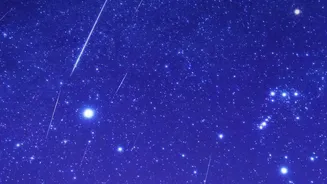
Meteor showers occur when Earth passes through trails of debris left by comets or asteroids. While many happen annually, 2026 offers some spectacular viewing opportunities, especially from a dark location like Spiti. The Perseids in August are a fan favourite, but often coincide with India's monsoon season. However, Spiti's rain-shadow location makes it one of the few places with a real chance of clear skies for this shower, which peaks on August 12-13, 2026, under a new moon for perfect darkness. Looking ahead, the Leonids peak on the night of November 17-18, 2026. Though a more modest shower with about 10-15 meteors per hour, the moon sets early, leaving the prime viewing hours dark. The year's grand finale is the Geminids, peaking on December 13-14. Considered the most reliable and active shower with up to 120 meteors per hour, the 2026 peak happens with a thin crescent moon that won't spoil the show.
Planning Your Spiti Stargazing Trip
The best time for a stargazing trip to Spiti is generally between late May and early October, when the roads are open and the weather is manageable. September and October are often considered the sweet spot, with post-monsoon clarity and fewer crowds, though nights get significantly colder. There are two main routes to reach Kaza, Spiti's administrative centre: one from Manali via the Atal Tunnel and Kunzum Pass (open roughly June to October), and another longer, all-weather route from Shimla. Given the high altitude, acclimatisation is crucial. Plan to spend at least a couple of nights at progressively higher altitudes to avoid sickness. For the best views, head to villages like Langza, Komic, or Kibber, or the famous Chandratal Lake, which are renowned for their dark skies.
Beyond the Night Sky
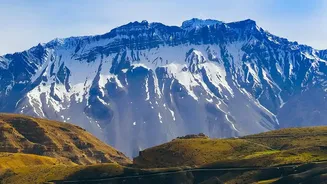
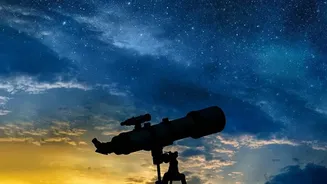
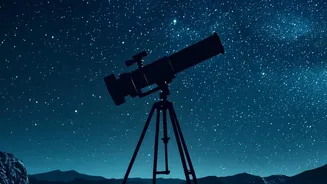
While the stars are the main nocturnal event, Spiti's daytime wonders are just as captivating. The valley is home to some of the oldest Buddhist monasteries in the world, such as Key Monastery and Tabo Monastery, which seem to cling to the barren cliffs. The landscape itself is otherworldly, with windswept mountains, deep gorges, and traditional villages that have preserved their culture for centuries. In recent years, astro-tourism initiatives have begun to formalise the stargazing experience. A public dome observatory was recently established in Kaza to offer guided sessions for travellers, blending modern astronomy with local knowledge. This allows visitors to not only see the stars but also understand their significance in this unique high-altitude desert.