









A Landmark Event in a Symbolic Location
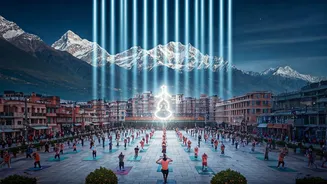
The heart of this year’s national celebration will beat in Srinagar, Jammu and Kashmir. Prime Minister Narendra Modi is set to lead the main event at the Sher-i-Kashmir International Conference Centre (SKICC) on the picturesque banks of Dal Lake. This
choice is deliberate and symbolic, aiming to highlight the region's integration and promote it as a centre for wellness and tourism. The event is expected to draw thousands of participants, setting a powerful visual of unity and peace. This isn't just about a change of scenery; it's a statement. By placing the country's flagship Yoga Day event in Srinagar, the government is signalling a focus on normalcy and positive development in the Union Territory.
The Theme: 'Yoga for Self and Society'
This year's theme, 'Yoga for Self and Society', marks a thoughtful evolution in the event's messaging. It moves the conversation beyond personal fitness to encompass collective well-being and social harmony. The theme encourages participants to see yoga not just as a private practice for individual health, but as a tool that fosters compassion, mindfulness, and a sense of responsibility towards one's community. This broader focus is being integrated into events across the country, from corporate wellness sessions and school programmes to community gatherings in public parks. The goal is to embed yoga into the social fabric, positioning it as a solution for modern stressors that affect both individuals and groups.
Unprecedented Scale and Digital Reach
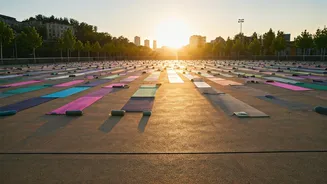
The claim of 'bigger' is backed by numbers. The Ministry of AYUSH is coordinating a massive, decentralised celebration. Beyond the main event, countless smaller events are planned in cities, towns, and villages across India. This year, there is a special emphasis on grassroots participation, with initiatives like the 'Yoga with Family' photo contest encouraging people to practice at home. Furthermore, the digital footprint is expanding. Expect a flood of content across social media, with live streams, tutorials by famous instructors, and challenges designed to engage a younger, digitally native audience. Indian embassies and consulates abroad will also host their own events, creating a synchronised global 'yogathon' that showcases India's cultural diplomacy on a grand scale.
More Than Just an Event
Since its inception at the United Nations in 2014 and the first celebration in 2015, International Day of Yoga has transformed from a novel concept into a powerful platform for public health and soft power. Initially seen by some as a purely governmental push, it has now gained widespread organic acceptance. The annual event serves as a focal point, but the goal has always been to encourage year-round practice. This year's push seems more integrated than ever, linking yoga to national health initiatives and positioning it as a low-cost, high-impact tool for preventative healthcare. The involvement of various ministries, from education to defence, underscores its growing importance in national policy.