



What the Study Found in Indian Kitchens
A study by environmental research organization Toxics Link has brought the issue of microplastic contamination into sharp focus for Indian households. Researchers tested 10 different types of salt and five types of sugar, including both packaged and loose
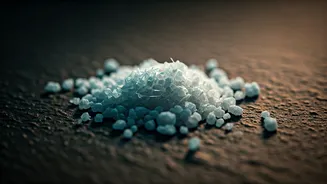
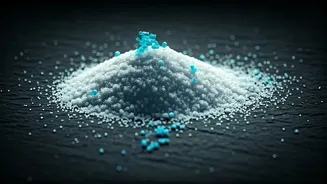
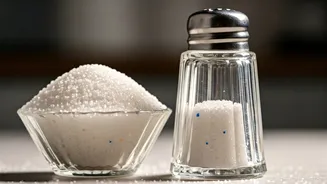
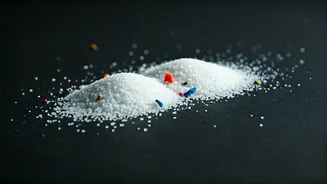
varieties sourced from local and online markets. The results were unambiguous: all samples contained microplastics. The study found tiny particles and fibres in everything from common table salt to rock salt and various types of sugar. The concentration varied, with iodised salt showing the highest levels (around 89 pieces per kilogram) and organic rock salt the lowest (about 7 pieces per kilogram). Similarly, non-organic sugar had higher concentrations than organic varieties. This confirms that these tiny plastic fragments have infiltrated some of the most fundamental ingredients in Indian cooking.
How Do Plastics Get Into Our Food?
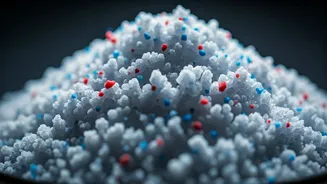
Microplastics are tiny plastic particles, less than 5 millimetres in size, that result from the breakdown of larger plastic products and waste. Their journey into our food is complex. They contaminate soil and water, where they are absorbed by plants or consumed by fish and livestock. From there, they enter the human food chain. Another major pathway is through processing and packaging. Plastic packaging can shed particles into the food it contains. Even our kitchen tools, such as plastic cutting boards, containers, and utensils, can release microplastics into our meals, especially when exposed to heat. Studies have shown that microwaving food in plastic containers can release millions of tiny particles.
Are They Harmful to Our Health?
This is the critical question, and the science is still evolving. Researchers have found microplastics in multiple human organs, including the heart, lungs, and even in blood and the placenta. While there is no definitive evidence yet of widespread, direct harm to humans from ingestion, laboratory and animal studies raise concerns. These studies have linked exposure to issues like inflammation, immune system impairment, and disruptions to the reproductive and digestive systems. The chemicals found in plastics, such as BPA, are also a known concern and have been associated with hormonal disruptions and other health problems. In response to these growing concerns, India's food safety regulator, FSSAI, has initiated a project to better understand the extent of contamination in India and develop safety standards.
Practical Steps to Reduce Your Exposure
While completely avoiding microplastics is nearly impossible in the modern world, you can take simple, practical steps to significantly reduce your family's exposure. The focus should be on minimising contact between your food and plastic, especially when heat is involved. Never microwave food in plastic containers; transfer it to glass or ceramic dishes first. Opt for storing food in glass, stainless steel, or ceramic containers instead of plastic ones. When cooking, use wooden or metal utensils rather than plastic spatulas or spoons. Choosing fresh, unpackaged foods over heavily processed and packaged items can also help reduce intake. Consider using a water filter for your tap water, which studies show often contains fewer microplastics than bottled water. Small changes, like using wooden cutting boards and avoiding plastic tea bags, can collectively lower your exposure.