




Ladakh: A High-Altitude Desert Dream
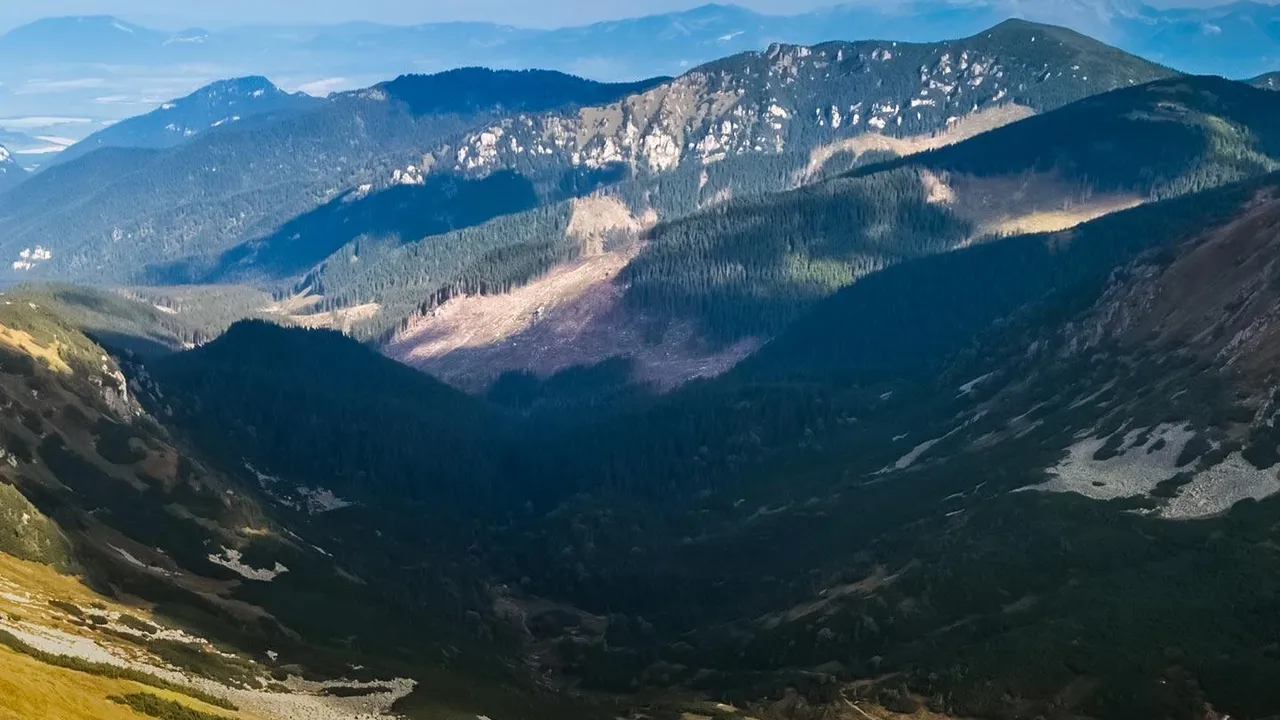
While most of India is drenched, Ladakh remains famously dry and accessible, making it one of the best places to visit in August. Tucked away in a rain shadow zone created by the mighty Himalayas, this region offers dramatic, sun-drenched landscapes.
The weather is pleasant, with daytime temperatures hovering between 20°C and 30°C, perfect for exploring ancient monasteries like Hemis and Thiksey. Adventure seekers can take on the high-altitude passes like Khardung La, while others can marvel at the surreal, shifting colours of Pangong Tso Lake under clear blue skies. August is peak season, so expect a vibrant atmosphere as you explore the surreal desert mountains and deep blue lakes.
Spiti Valley: The Middle Land
Much like Ladakh, Spiti Valley in Himachal Pradesh is a cold desert that is shielded from the monsoon, receiving very little rainfall in August. This makes it an ideal destination for those looking to trade wet and gloomy weather for stark, breathtaking beauty. Daytime temperatures are comfortable, generally ranging from 15°C to 25°C, which is perfect for outdoor exploration. You can explore some of the world's oldest monasteries, like Key Monastery, and visit some of the highest inhabited villages. The landscape is a stunning mix of barren mountains, green patches, and roaring rivers fed by melting snow. While access roads can sometimes be affected by rain in lower regions of Himachal, the valley itself remains a dry and peaceful sanctuary.
Tamil Nadu's South-Eastern Coast: A Different Monsoon Cycle
For a coastal escape without the heavy downpours, head to the south-eastern coast of Tamil Nadu. This region, including Chennai and the charming union territory of Puducherry, receives most of its rainfall during the retreating northeast monsoon from October to December. In August, while it can be hot and humid with daytime temperatures around 34°C, the rainfall is significantly less than in other coastal areas like Goa or Kerala. This allows for uninterrupted exploration of Chennai's temples and culinary scene or leisurely strolls through the French Quarter of Puducherry. However, a weather forecast on August 13, 2026, did predict widespread rain across the state until August 17 due to a specific atmospheric circulation, so it's always wise to check local forecasts just before you travel.
The Dry Pockets of Rajasthan: Desert Charm
While Rajasthan does experience the monsoon, the western desert regions, including cities like Jodhpur and Jaisalmer, receive significantly less rainfall than the rest of the country. The showers are often short and intense, leaving the rest of the day free for sightseeing in more pleasant, cooler temperatures than the scorching summer. August offers a unique opportunity to see the desert landscapes with a surprising hint of green and to explore iconic forts like Mehrangarh and Jaisalmer Fort without the peak season crowds. The cooler weather, with daytime temperatures around 30-35°C, makes exploring the vibrant blue lanes of Jodhpur or the golden city of Jaisalmer a much more comfortable experience.