





The Rise of the Micro-Garden
For city dwellers and those in apartments, the dream of a sprawling backyard garden has always been just that—a dream. Traditional gardening involves heavy bags of soil, large pots, and a fair amount of mess, all of which are impractical without outdoor
space. This has left many aspiring gardeners feeling left out. However, the focus is now shifting from large-scale planting to hyper-local, small-space solutions. Windowsill gardening isn't a new concept, but its modern iteration, focused on microgreens, offers a revolutionary approach that fits perfectly into a contemporary, space-conscious lifestyle. These setups are designed to be clean, efficient, and small enough to fit on any sunny windowsill or countertop, finally bridging the gap between urban life and home-grown nutrition.
What Exactly Are Microgreens?
Microgreens are not to be confused with sprouts, which are germinated in water. Microgreens are young vegetable and herb seedlings harvested just after their first true leaves appear, typically within 7 to 14 days of planting. They are grown in a shallow layer of soil or a soilless medium. What makes them so special is their incredible concentration of nutrients. Studies have shown that microgreens can be up to 40 times more nutrient-dense than their mature counterparts, packing a powerful punch of vitamins C, E, and K, as well as minerals like iron and zinc. They also deliver a burst of fresh flavour and vibrant colour, making them a popular addition to salads, sandwiches, and soups.
How Compact Trays Change Everything
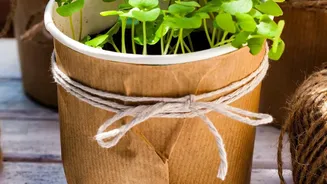
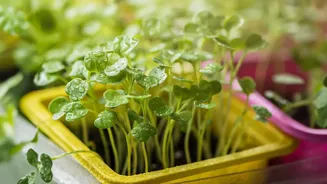
The innovation lies in the design of modern microgreen trays. These are typically small, shallow containers, often no bigger than a small book, created specifically for windowsill cultivation. Many come as all-in-one kits with a growing medium (like coconut coir) and seeds, eliminating guesswork. The shallow depth is ideal for the short root systems of microgreens, and many systems are designed for bottom-watering, which prevents mould and keeps the process tidy. This self-contained approach means no more hauling heavy soil bags up flights of stairs or dealing with dirt spills on the kitchen floor. You can have several varieties growing side-by-side in a small area, creating a continuous harvest of fresh greens.
Beyond Convenience: The Added Benefits
The primary advantage is simplicity, but the benefits don't stop there. Growing your own microgreens is incredibly cost-effective compared to buying them at the store, where they are often sold as a premium gourmet item. Having a living garden on your windowsill also adds a touch of green, improving your home's aesthetic and even contributing to better air circulation. Furthermore, the act of nurturing a plant from seed to harvest offers a tangible sense of accomplishment and a connection to your food source. Knowing you are eating something you grew yourself, harvested just moments before, is a uniquely rewarding experience that enhances the flavour of any meal.
Getting Started: Your First Windowsill Harvest
Starting is easier than you think. Most beginner kits will guide you, but the process is straightforward. First, hydrate your growing medium and spread it evenly in the tray. Next, sprinkle your chosen seeds across the surface. Lightly mist with water and cover the tray for a few days to aid germination. Once the seeds sprout, remove the cover and place the tray in a sunny spot. Water daily, typically from the bottom tray to keep the leaves dry. In about a week or two, your microgreens will be a few inches tall and ready to be snipped with scissors and enjoyed immediately. For beginners, radish, broccoli, and pea shoots are excellent choices as they are fast, forgiving, and flavourful.