



A Year of Monumental Missions
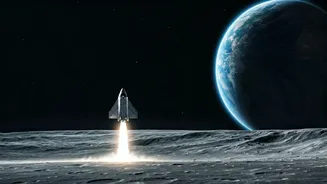
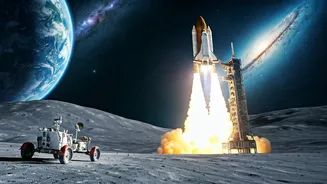
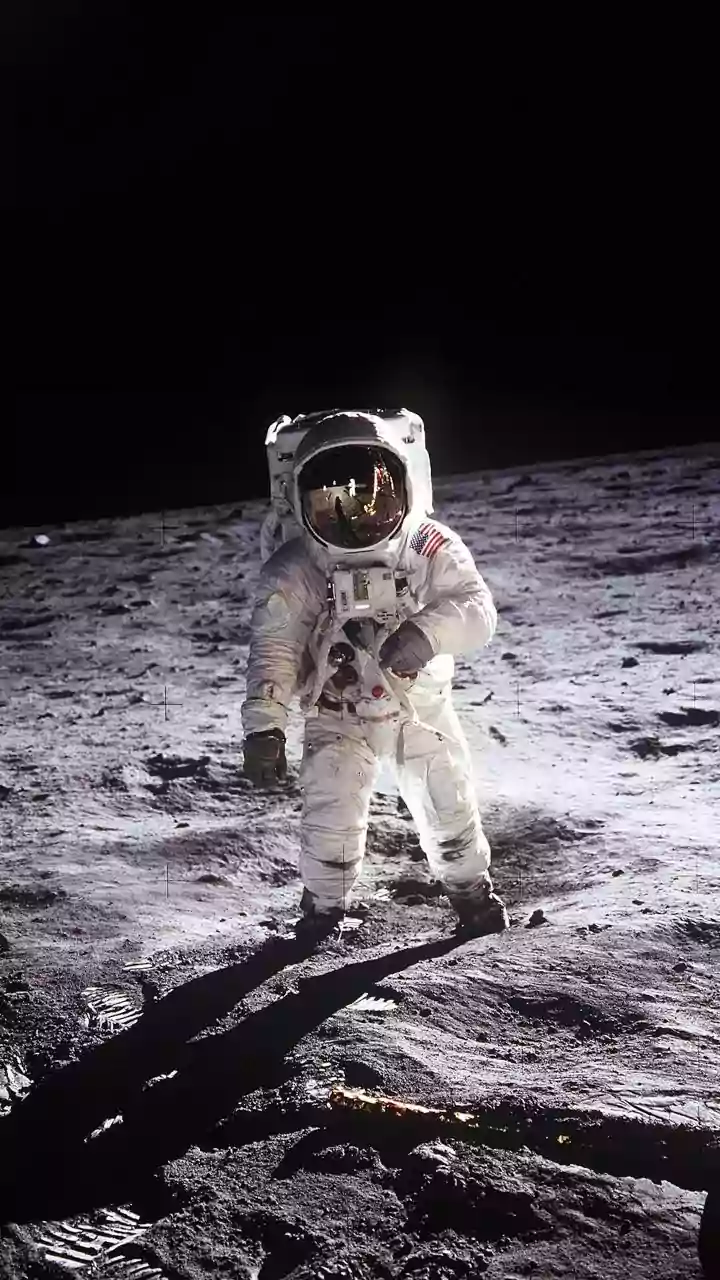
The year 2026 is packed with significant spaceflight events that span from low Earth orbit to the Moon and beyond. While NASA's landmark Artemis II mission—humanity's first flight to the Moon since 1972—successfully flew in April 2026, the groundwork
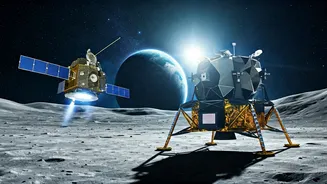
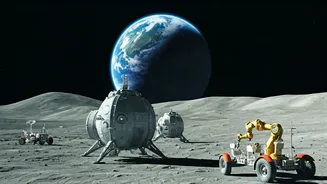
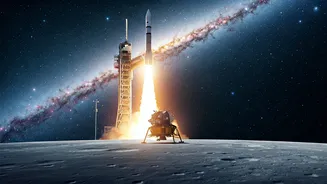
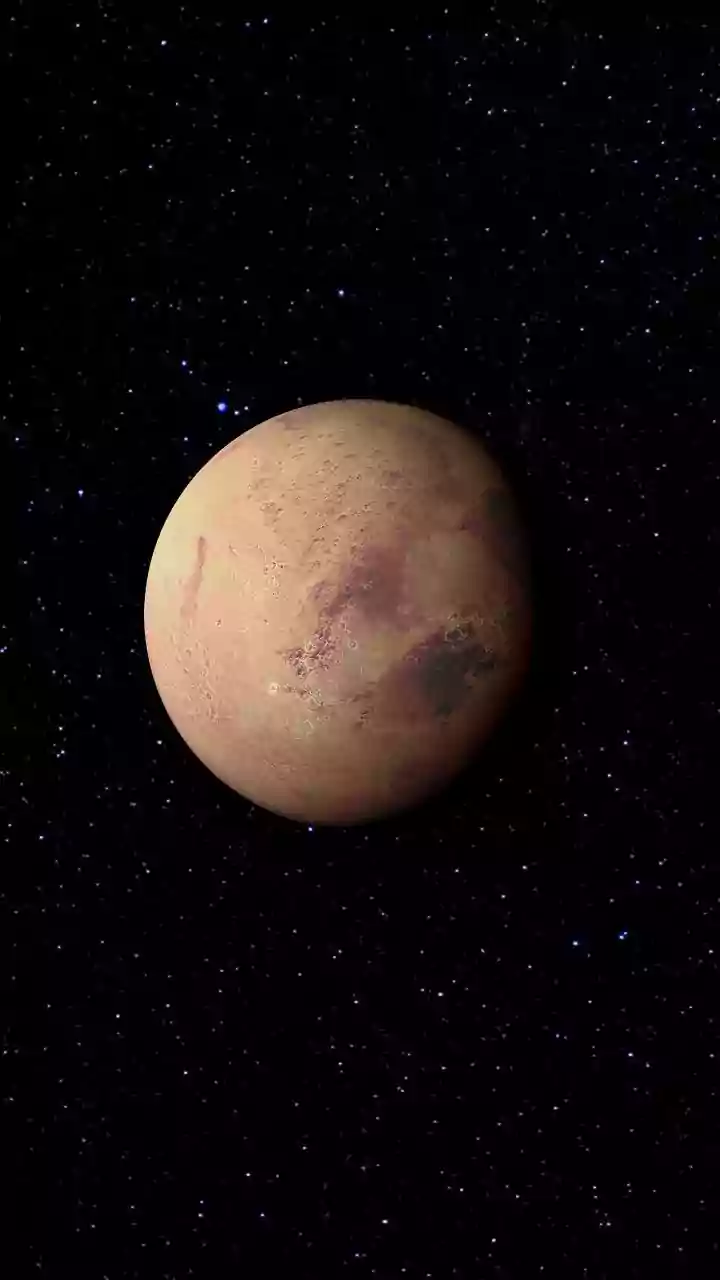
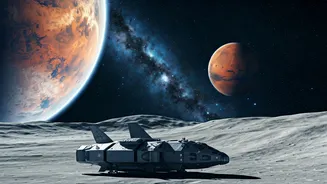
laid is now being built upon. The original plan for Artemis III to be a lunar landing has been revised; it is now a critical demonstration mission in Earth orbit planned for 2027, designed to test the lander systems from SpaceX and Blue Origin. This paves the way for a landing on Artemis IV, now targeted for 2028. Beyond NASA, international players are making bold moves. China's Chang'e-7 mission is targeting the lunar south pole in late 2026 to search for water ice. Japan's Martian Moons eXploration (MMX) mission is also slated for a late 2026 launch, aiming to land on Mars's moon Phobos and return a sample.
The Heavy-Lift Revolution
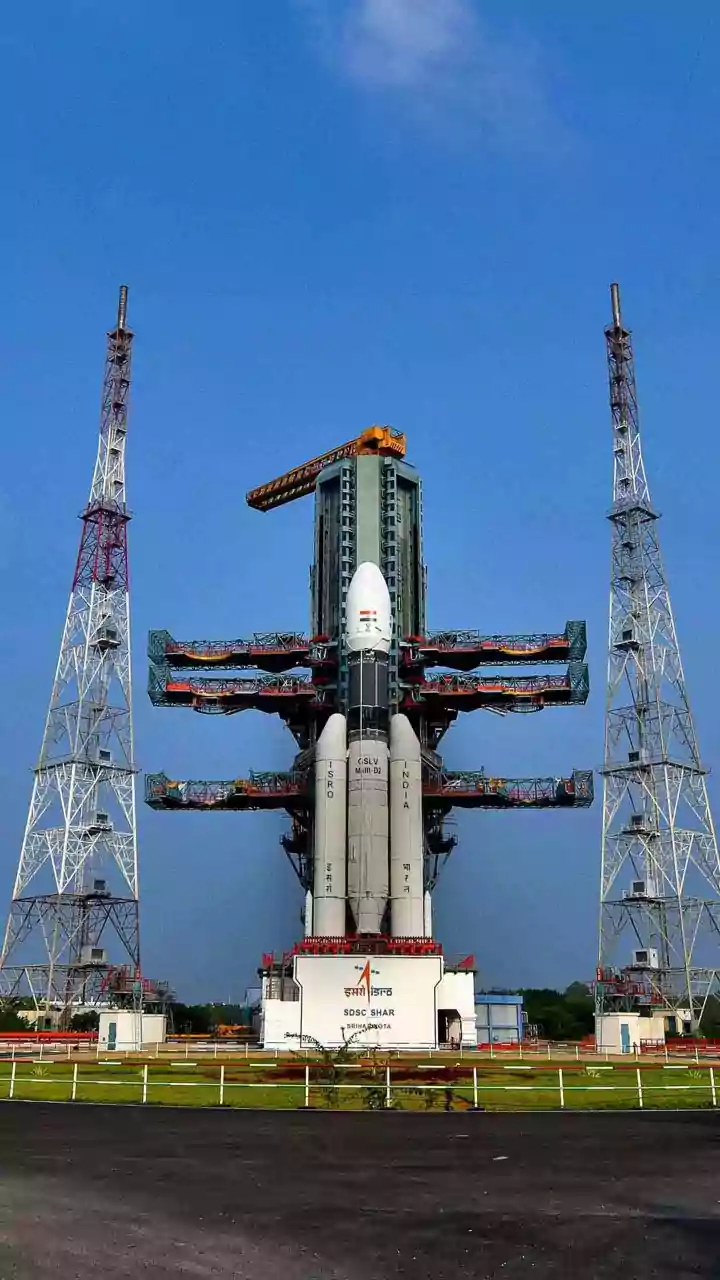
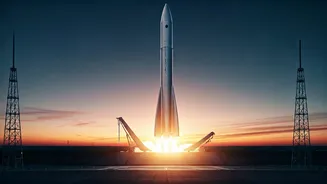
Underpinning this new era of exploration is the arrival of a new class of super heavy-lift, reusable rockets. SpaceX's Starship is the leader of this pack. It's not just an iteration on old designs; it's a vehicle intended to be fully and rapidly reusable, capable of launching unprecedented mass to orbit. The development has been iterative, with numerous test flights. As of mid-2026, SpaceX is focused on compounding development, including building new launch sites and testing crucial technologies like in-orbit refueling. The success of Starship is critical, as it's not just a private venture but a key component of NASA's Artemis program. But SpaceX isn't the only player. Blue Origin's New Glenn, another massive reusable rocket, is also becoming operational, despite some setbacks. The emergence of multiple heavy-lift providers introduces competition and redundancy, which is crucial for building a robust space economy.
The Dawn of Commercial LEO
While deep space missions grab headlines, a fundamental shift is happening closer to home. With the International Space Station (ISS) scheduled for retirement around 2030, a new industry is rising to take its place: commercial space stations. NASA is actively encouraging this transition, shifting from being an owner-operator to a customer. The agency has awarded funds to several companies to develop their designs. California-based startup Vast aims to launch its Haven-1 station, potentially the first standalone commercial platform in orbit. This marks a major inflection point, opening up low Earth orbit (LEO) to new commercial ventures, from tourism to in-space manufacturing of everything from pharmaceuticals to advanced materials. Companies like Sierra Space with its Dream Chaser spaceplane are also developing new ways to service these orbital destinations.
A New Cosmic Perspective
The year is also set to expand our vision of the cosmos. ESA's Hera mission will arrive at the asteroid Dimorphos in November 2026 to study the results of NASA's DART impact, providing crucial data for planetary defense. The joint ESA-JAXA BepiColombo mission is expected to finally enter orbit around Mercury, the least-explored rocky planet, after an eight-year journey. On the astrophysics front, new powerful telescopes are coming online. China is expected to launch its Xuntian space telescope, which will have a field of view 300 times larger than Hubble's while maintaining similar image quality. These missions, combined with the ongoing discoveries from telescopes like the Nancy Grace Roman Space Telescope, promise to map the universe on an unprecedented scale, tackling the biggest questions in cosmology, from dark energy to the evolution of galaxies.