






The Old Story: A Calorie Is a Calorie
For decades, the prevailing wisdom in nutrition often boiled down to a simple, if unsatisfying, mantra: a calorie is a calorie. In this view, the energy from a spoonful of table sugar was metabolically identical to the energy from any other source. Glucose
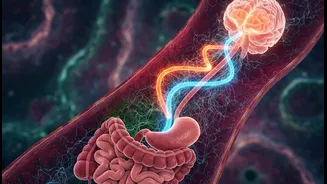
and fructose, the two simple sugars that combine to make table sugar (sucrose) and form high-fructose corn syrup, were seen as mostly interchangeable villains. Dietary advice focused on limiting total sugar intake, with the assumption that both sugars contributed equally to weight gain and metabolic issues. This perspective is now being challenged by a deeper understanding of our body's intricate signaling network, known as the gut-brain axis. It turns out our digestive system doesn't just break down food; it actively talks to our brain, and it has very different things to say about glucose and fructose.
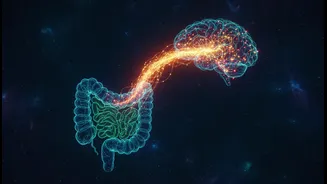
The Gut-Brain Superhighway
The gut-brain axis is a constant, two-way communication system between your digestive tract and your central nervous system. When you eat, specialized cells in your gut sense the nutrients you've consumed and send signals to your brain. These signals influence everything from hunger and satiety (the feeling of being full) to mood and food preferences. For a long time, scientists believed this signaling was relatively straightforward. You eat calories, your gut tells your brain you're full, and you stop eating. But recent studies, particularly a landmark paper published in the journal Neuron in June 2026, have shown this process is far more nuanced, especially when it comes to sugar.
What the New Research Shows
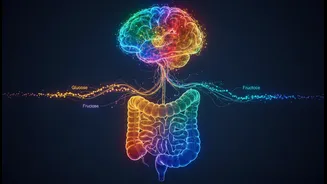
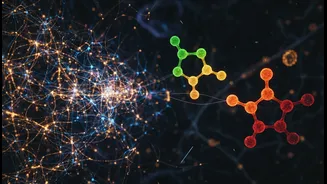
Researchers at the Monell Chemical Senses Center conducted studies in mice to see how hunger-promoting brain cells, called AgRP neurons, responded to glucose versus fructose. They discovered that the two sugars use completely different pathways to communicate with the brain. Glucose consumption strongly suppressed the activity of these hunger neurons, sending a clear message of fullness to the brain. Fructose, on the other hand, had a much weaker effect. It sent a feeble satiety signal, meaning that even though the body was consuming calories, the brain wasn't getting a strong message to stop eating. This helps explain why it can be so easy to overconsume fructose-rich foods and drinks. The calories go in, but the “I'm full” switch isn't properly flipped.
Two Sugars, Two Different Paths
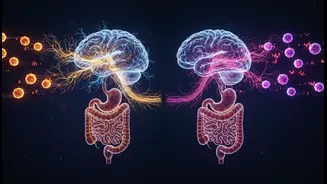
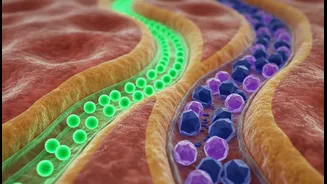
The research revealed that glucose signals travel to the brain partly through the spinal cord, while fructose uses a different route involving the vagus nerve. This distinction is critical. Glucose's powerful signal effectively tells your brain you've received energy and can stop seeking food. Fructose’s weaker signal does not. This may explain previous findings that fructose consumption can lead to increased hunger and desire for food compared to glucose. Interestingly, when mice were given high-fructose corn syrup—a mix of glucose and fructose—it suppressed hunger neurons more than fructose alone, but the mice still showed a preference for liquids sweetened with glucose or high-fructose corn syrup over those with just fructose. This suggests the powerful satiety signal from glucose is a key driver of food preference and satisfaction.
Rewriting the Nutrition Rulebook
This research forces a significant shift in how we think about sugar. The idea that all calories are equal is being replaced by a more nuanced understanding that the source of the calories matters immensely. Fructose isn't just providing “empty calories”; it appears to be actively bypassing the body's natural appetite-control systems. This has major implications for dietary advice, which has historically focused on total sugar content without always distinguishing between the types. While naturally occurring fructose in whole fruit comes packaged with fiber and water, which help promote satiety, the free fructose added to sugary drinks and processed foods arrives without these buffers, making its weak satiety signal particularly problematic. The findings could help explain why rising consumption of high-fructose sweeteners has been linked so closely with the obesity epidemic.
What Does This Mean For Your Diet?
This doesn't mean you need to eliminate all sugar. In fact, some research suggests completely removing sugar could have its own unintended negative effects on the gut microbiome. The key takeaway is to be more mindful of the type and source of the sugar you consume. The new research reinforces the advice to limit liquid sugars like those in sodas and juices, which deliver a high dose of fructose without the fiber found in whole foods. Prioritizing whole, unprocessed foods over highly processed ones is a practical way to apply these findings. An apple contains fructose, but its fiber helps slow digestion and promote fullness. A soda delivers fructose and glucose directly to your system with minimal satiety signals, potentially encouraging overconsumption. Choosing the apple is choosing to work with your body’s complex signaling systems, not against them.